Blog

  • Remote Team Onboarding in 2025 and Beyond

    Remote Team Onboarding in 2025 and Beyond

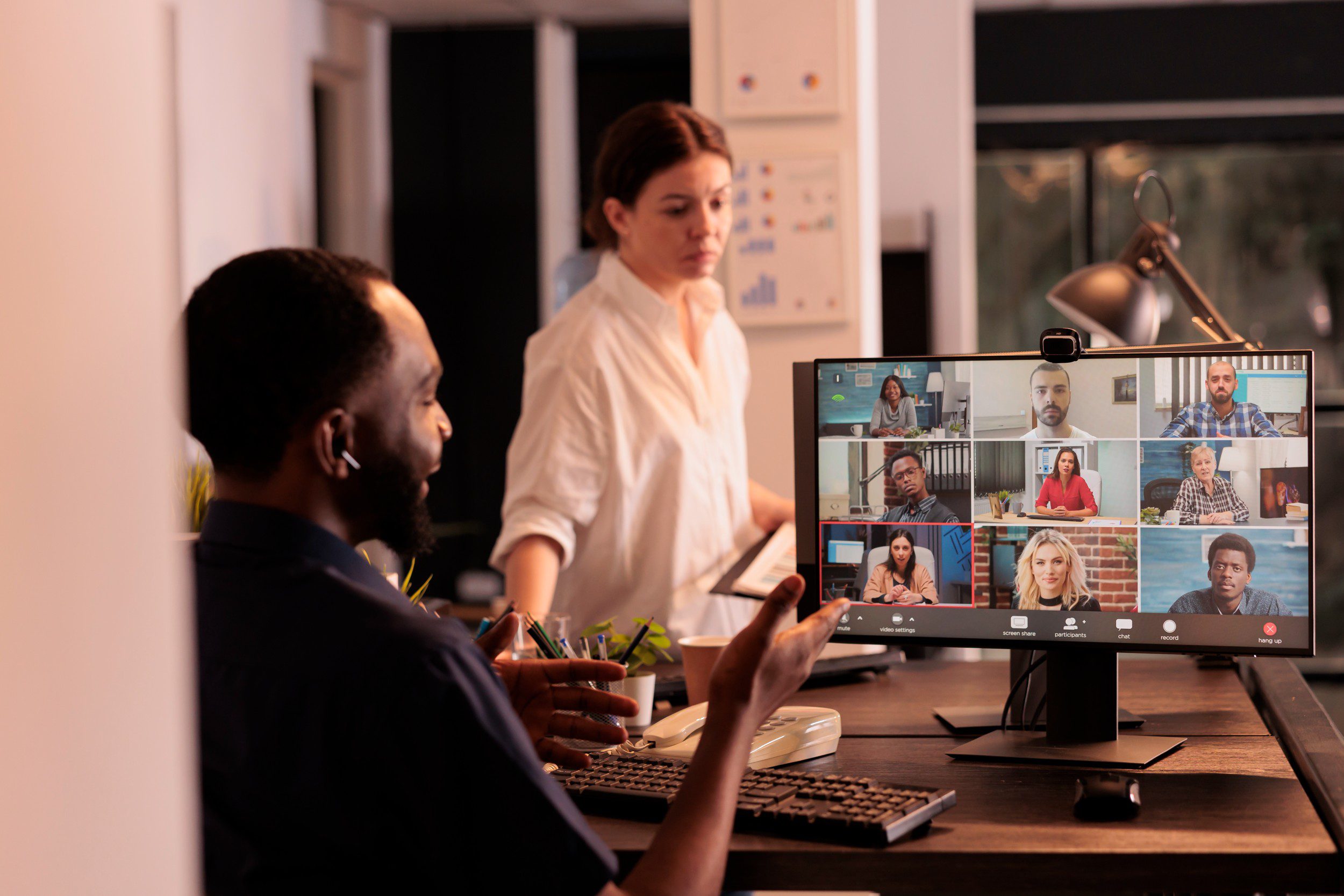
    Remote onboarding has become one of the strongest drivers of remote work culture. Teams no longer rely on offices to transmit values or expectations. Culture now forms through written norms, digital rituals, and early human connections. This matters because remote work is no longer a niche model.

    According to Robert Half’s 2025 hiring outlook, 36% of all US job postings now offer either fully remote or hybrid options, confirming that distributed work has become a permanent operating model.

    At the same time, Microsoft’s 2025 Work Trend Index paints a clear picture of overload. The average employee receives 117 emails and 153 chat messages per weekday, with many workers logging in before 6 a.m. This environment creates friction for new hires unless onboarding actively reduces noise and uncertainty.

    Why Onboarding Now Defines Remote Work Culture

    In physical offices, culture spreads through observation. In remote environments, culture spreads through systems. New hires decide whether they belong within the first two weeks, based on the clarity, responsiveness, and emotional safety they experience.

    Gallup’s 2024-2025 workplace research shows that companies with structured onboarding improve employee retention by up to 82% and productivity by over 70%. Yet only 63% of remote employees say their onboarding prepared them well to succeed, compared with higher satisfaction in hybrid setups.

    This gap explains why remote work culture often feels fragile. Without intentional onboarding, engagement drops quietly instead of failing loudly.

    Preboarding Reduces Anxiety Before Day 1

    Preboarding has emerged as a critical stage in remote onboarding. It sets emotional safety before any meetings happen. Studies referenced by HR research platforms in 2025 show that employees who receive structured preboarding materials feel up to 50% more confident on their first day compared to those who start without preparation.

    Rather than overwhelming hires with documentation, effective teams share a short working guide that explains how decisions happen, how communication works, and what success looks like in the first 30 days. This approach works especially well for global virtual teams, where time zone gaps amplify confusion.

    The First Week should Focus on People, not Platforms

    The first week sets emotional tone. New hires do not need mastery. They need momentum.

    Microsoft’s 2025 data shows that constant meetings and real-time messaging reduce focus and increase stress. Teams that limit live meetings during the first week and encourage async learning report faster ramp-up and higher early satisfaction.

    When onboarding prioritizes human connection over tool walkthroughs, remote work culture feels supportive instead of transactional.

    Weeks Two to Four turn Culture into Daily Behavior

    Culture becomes real when it shows up in everyday work. During weeks 2-4, new hires form habits around communication, feedback, and ownership.

    Gallup reports that employees who form at least three meaningful workplace connections within their first month are significantly more likely to stay engaged long term. This insight matters deeply for virtual teams, where relationships do not form organically through proximity.

    Teams that replace informal office learning with documented workflows and recorded walkthroughs reduce dependency and improve confidence without increasing meeting load.

    The 30 to 90-day Window Defines Identity

    By Day 30, employees should understand how their work connects to company goals. By Day 60, they should own a defined area. By Day 90, they should contribute ideas, not just execution.

    Gallup’s 2025 engagement data shows employees who feel a sense of ownership early are 2.6 times more likely to report high engagement. Teaching others reinforces belonging and strengthens remote work culture across teams.

    This approach aligns closely with modern digital work trends, where autonomy and clarity outperform micromanagement.

    Rituals Replace Office Energy

    Remote teams that sustain culture rely on rituals rather than perks. Gallup identifies loneliness as one of the biggest emotional risks for fully remote employees, even when engagement remains high.

    Simple rituals like weekly demos, written retrospectives, and new hire spotlights create predictability and visibility. Over time, these rituals act as cultural anchors for virtual teams.

    Measuring Onboarding Success in 2025

    Attendance no longer signals success. Behavior does!

    High-performing teams track time to first meaningful contribution, early collaboration frequency, and confidence scores during the first month. These indicators reveal whether onboarding supports a remote work culture or simply transfers information.

    Technology Supports Culture, but cannot Replace it

    AI-driven onboarding assistants and knowledge hubs are expected to continue growing in 2025 and beyond. Industry forecasts suggest over 60% of companies will use AI-supported onboarding tools by 2026. However, research consistently shows technology improves outcomes only when paired with a human connection.

    This balance reflects current digital work trends, where efficiency must coexist with well-being.

    Final Thoughts

    Remote onboarding in 2025 is not an HR checklist anymore. It is a cultural system for better productivity and balance.

    Teams that invest in clarity, connection, and early ownership build a resilient remote work culture, even when everyone works from home. The companies that win the next decade will be the ones that treat onboarding as culture in motion, not paperwork.

    Subscribe to What Works Next today and join a community dedicated to transforming the way we work. Working smarter starts here!

  • Portugal D8 Digital Nomad Visa – Guide for Remote Workers 

    Portugal D8 Digital Nomad Visa – Guide for Remote Workers 

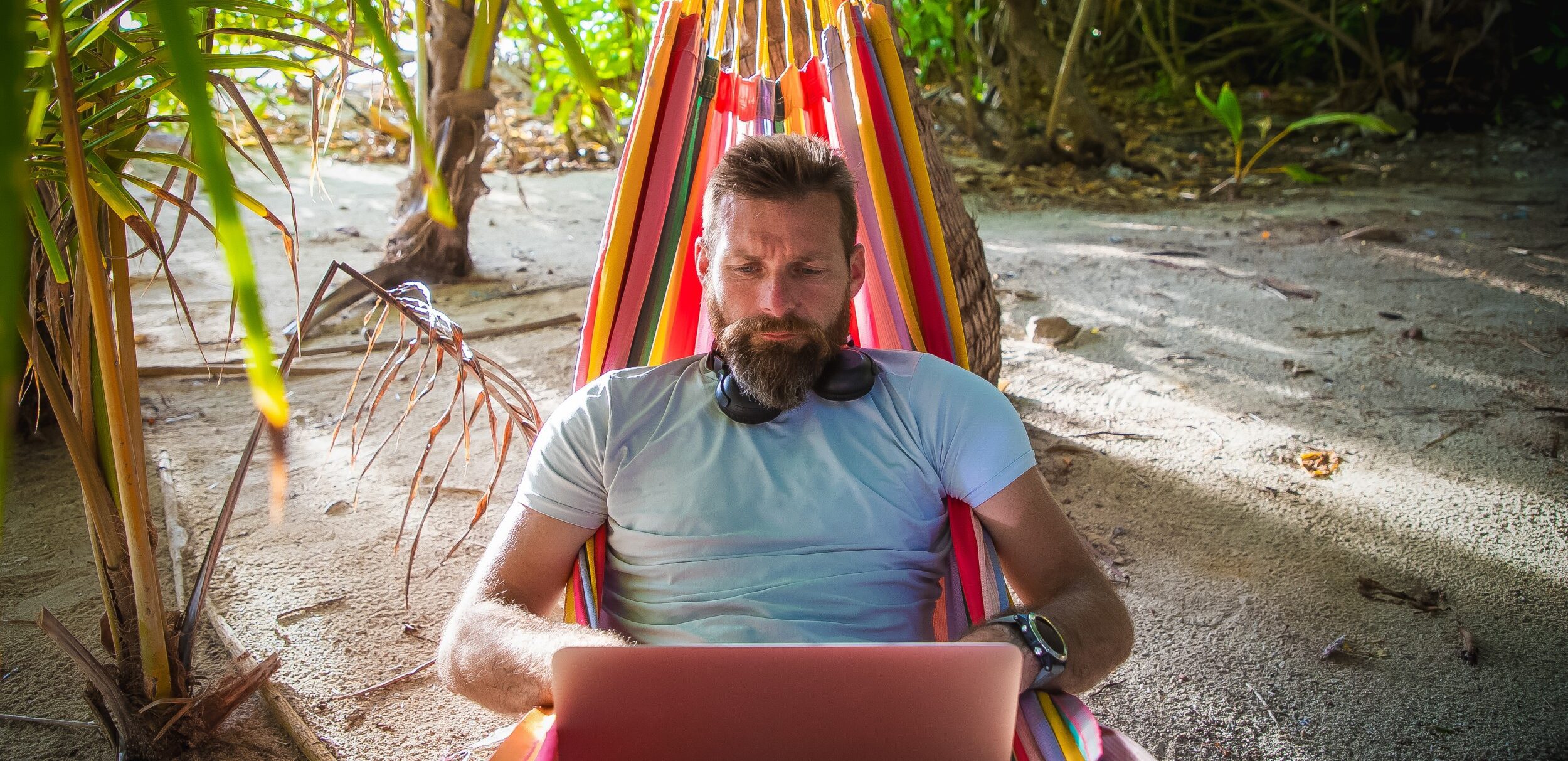
    Portugal D8 Digital Nomad Visa opens a door for remote workers and digital nomads from around the world to live in Portugal and enjoy its vibrant lifestyle. 

    If you crave the freedom to work from anywhere, this digital nomad visa empowers you to transform that dream into reality by letting you do remote work legally while soaking up Portugal’s culture, climate, and charm. 

    In this comprehensive guide, we will break down all the essential details about the Portugal D8 Visa, including eligibility, costs to quality of life, and overall 2025 updates. So, you can decide if Portugal is your next destination for remote work or not. Let’s dig in!

    Quality of Life Attributes in Portugal

    Portugal offers a unique blend of affordability, safety, and lifestyle benefits that make it an attractive destination for remote workers. According to recent data, the country scores well on indices such as cost of living, safety, and overall comfort for expats. 

    • You enjoy a high quality of life without paying Western European-level prices for everyday expenses.
    • The country boasts modern infrastructure, reliable internet, and access to good healthcare systems.
    • Portugal offers a mix of urban energy (cities like Lisbon, Porto) and tranquil coastal or countryside towns. It is ideal for remote workers seeking balance.

    These factors make Portugal a compelling base for those who want to combine professional flexibility with a relaxed, fulfilling lifestyle.

    Quick Facts for Portugal D8 Visa

    • Visa name

    Portugal Digital Nomad Visa (D8 Visa).

    • Eligible for

    Non-EU/EEA/Swiss nationals who work remotely (employed or freelance) for clients or employers outside Portugal.

    • Minimum monthly income (2025)

    €3,480 (equal to four times Portugal’s minimum wage) for a single applicant.

    • Visa options

    The short-term (temporary stay) visa is up to 1 year, with a long-term residence visa leading to a residence permit and potential long stay.

    • Renewal/Permanent stay

    A residence permit can be renewed. A long-term visa can lead to permanent residency or even citizenship after fulfilling requirements. 

    Key Aspects for Digital Nomad Visa Holders (Portugal D8 Visa)

    Holding the Portugal D8 Visa unlocks multiple advantages for remote workers and digital nomads:

    • Flexibility

    Once you get the Portugal D8 Digital Nomad Visa, you can work remotely from anywhere across Portugal. It can be any city, from Lisbon’s historic streets to the Algarve’s beaches or a quiet town inland. Decide where you want to settle in based on your budget, needs, and personal preferences. 

    • Legal Remote Work

    Once you are in Portugal on a digital nomad visa, you can work for foreign employers or clients without needing a local Portuguese employer or sponsorship. This is also one of the prerequisites of this visa type, though. You can’t apply for a Portugal D8 visa if you are working remotely with a Portugal-based company. You need to have a foreign client as a mandatory requirement.

    • Travel Convenience

    Once in Portugal, you can travel freely within the Schengen Area (applicable for most nationalities).

    • Path to Long-term Residence or Citizenship

    For those looking to settle, the long-term route offers a pathway to permanent residency or citizenship after several years.

    • Access to Local Amenities

    You can enjoy co-working spaces, modern infrastructure, good healthcare, and a relaxed lifestyle. Making Portugal attractive for remote workers craving work-life balance.

    2025 Updates: Citizenship Law Change

    In June 2025, the government proposed changes to the nationality law. Under the proposed changes, the minimum residency period required to apply for citizenship may be extended from 5 years to 10 years.

    This means that even if you obtain long-term residency via the D8 Visa, the journey to citizenship could take longer. It also highlights how immigration regulations can evolve, so staying updated is crucial if long-term settlement is your goal.

    What is the Portugal Digital Nomad Visa?

    The Portugal Digital Nomad Visa, officially known as the D8 Visa, is a residence permit designed for remote workers. It allows non-EU/EEA/Swiss nationals to live in Portugal while working for employers or clients abroad, or operating as freelancers, giving them the freedom to work remotely without needing a local job offer.

    Launched in 2022, the visa responds to growing global interest in remote work and enables people to relocate while keeping their work intact.

    Once granted, the D8 Visa provides legal residency, the right to work remotely, and, depending on the path, potential for long-term stay, renewal, and even permanent residency. 

    Requirements and Eligibility Criteria for Portugal Digital Nomad Visa

    To qualify for the D8 Visa, you need to meet several core requirements:

    • Be at least 18 years old.
    • Be a citizen of a non-EU/EEA/Swiss country.
    • Provide a valid passport (with sufficient remaining validity) and passport-size photos.
    • Show proof of remote work: either a foreign employment contract, freelance client agreements, or self-employment documentation.
    • Demonstrate a stable monthly income of at least €3,480 (2025 benchmark) from foreign sources.
    • Provide proof of accommodation, rented or owned property, or a long-term lease.
    • Maintain private health insurance for the duration of stay.
    • Have a clean criminal record and comply with other general visa requirements. 

    Who Qualifies for it?

    The Portugal Digitai Nomand D8 Visa caters to:

    • Remote employees working for overseas employers.
    • Freelancers or independent contractors with international clients.
    • Non-EU/EEA/Swiss nationals seeking to relocate while keeping their source of income outside Portugal.

    If you meet the income, work-source, and documentation requirements, you qualify. Moreover, you can include dependents (spouse, children) in many cases,  provided you meet additional financial thresholds.

    Types of Portugal Digital Nomad Visa (D8 Visa)

    Although officially there is one D8 Visa, applicants can choose between two main pathways depending on their stay duration and long-term goals.

    Temporary Stay Visa (Short-Term)

    • Validity: up to 12 months, with multiple entries.
    • Best for: Those testing life in Portugal, or remote workers who prefer flexibility.
    • Renewal: It can be renewed (though long-term settlement benefits are limited).

    Long-Term Residency Visa (Residence Permit Route)

    • Initial permit: 4-month visa (for entry) that must be converted to a 2-year residence permit upon arrival.
    • Renewal: After the 2-year residence permit, you can renew for another 3 years.
    • Long-term path: After 5 years of continuous residence, you may become eligible for permanent residency and potentially citizenship (depending on law changes and personal compliance).
    • Family reunification: The long-term route often allows bringing spouse, children, or dependents; you’ll need to prove additional financial means.

    Steps for Portugal Digital Nomad Visa Application

    1. First things first, check your eligibility. Ensure that you meet income, work-source, age, and other documentation requirements.
    2. Gather all the mandatory and supporting documents. Valid passport, photos, remote work contract or freelance proof, bank statements (income), proof of savings (if required), rental agreement or accommodation evidence, health insurance, and criminal record certificate.
    3. Apply at the Portuguese consulate or via an authorized visa center within your city/country.
    4. Once you receive your visa, travel to Portugal within the given validity period.
    5. Convert to a residence permit (if opting long-term route). Register with Portuguese authorities (e.g., tax number, address), and apply for a residence permit within the allowed timeframe. 
    6. Optional: Get yourself registered for local necessities and perks.  Open a Portuguese bank account, get a NIF, and register for healthcare if needed.
    7. Make sure to maintain your visa requirements. Continue remote work, meet income threshold, renew permit when needed, and comply with local laws.

    Cost of Living in Portugal as a Digital Nomad

    Portugal remains relatively affordable compared to Western European standards. While living costs vary depending on city and lifestyle, many remote workers find a balance between comfort and cost. The D8 Visa site cites a cost-of-living index and favorable safety and climate indices for Portugal. 

    Rent, food, transportation, internet, and utilities are reasonable, especially outside major city centers. Many digital nomads live comfortably while enjoying cafes, coworking spaces, and an outdoor lifestyle without overspending.

    For remote workers seeking a good balance of quality of life and living expenses, Portugal offers a strong proposition.

    Portugal Digital Nomad Visa Costs

    • Visa application fee: In 2025, the National D Visa fee (which covers D8) increased from €90 to €110 per applicant.
    • Residence permit card fee: Additional fee after arrival (varies depending on processing).
    • Document translation, notarization, health insurance, and other related costs, also expect extra expenses (e.g., translation, insurance, travel).

    Altogether, preparing for the application may involve higher upfront costs, but considering legal residency, remote-work flexibility, and Portuguese lifestyle perks, many find it worth the investment.

    Final Thoughts

    If you dream of remote work combined with sunlit streets, ocean-breeze afternoons, and a relaxed European lifestyle, the Portugal D8 Digital Nomad Visa offers a compelling pathway. It grants legal residency, the freedom to work from anywhere in Portugal, and a potential route to long-term stay or even citizenship (depending on future law).

    Requirements remain clear and accessible for many remote workers. A steady foreign income (up to €3,480/month), proof of remote employment, accommodation, and basic documentation. Overall cost of living has increased slightly in 2025, but the benefits, quality of life, flexibility, travel freedom, and European access make it an attractive option.

    For anyone seeking to work from anywhere while enjoying a vibrant European base, the Portugal Digital Nomad D8 Visa stands as a top choice. 

    Subscribe to What Works Next today and join a community dedicated to transforming the way we work. Working smarter starts here!

  • The Rise of the Digital Nomad 2025: Best Destinations and Remote Work Visas

    The Rise of the Digital Nomad 2025: Best Destinations and Remote Work Visas

    The rise is there – whoever says remote work is vanishing isn’t aware of the real stories out there. If you’re chasing top-tier digital nomad jobs, now is your moment!

    Remote workers are choosing to work from anywhere because the companies they work with also support it. The momentum behind this shift is massive. As part of the wave of evolving digital work trends, location-independent careers are becoming mainstream rather than fringe. Businesses want reliable, smart, and accountable resources. Similarly, individuals working remotely seek remote-friendly, open-minded, and supportive companies to work in.

    A Tidal Shift in Remote Careers

    Although it seems 2025 has seen a drop in remote work opportunities, it really isn’t. New data reveals otherwise: globally, an estimated 40 million people were living as digital nomads by 2025. In the U.S., the number of people identifying as digital nomads reached about 18.1 million by 2024. Numbers don’t lie, so!

    What does this mean for you? It means that digital nomad jobs are no longer novelty side-gigs. They’re serious career paths – but only for those who are willing to take on the responsibility. Being a digital nomad means you’d have to self-manage everything, update your teams, clients, and projects with self-accountability. And so, with willingness, companies are shifting roles, compensation, and culture in response.

    This shift ties directly into the broader remote work revolution. As more people prove value outside of offices, the idea that you must be in one place is fading. Instead, you now face the option to design your life and career around freedom.

    Why “Work From Anywhere” Is No Longer a Fantasy?

    One major driver of this trend is institutional change. Meaning more than 40 jurisdictions now offer remote-worker or digital nomad visas. These programs allow you to live in a foreign country while working for a company elsewhere (but you would need skills, experience, and relevant prerequisites to secure the visa). For example, on 21st November 2025, Slovenia launched its first digital nomad visa, open to non-EU workers staying up to one year. Btw, alongside other requirements, to be eligible, you must either be employed by a company outside Slovenia or provide services to international clients. This means that the possibility of working from anywhere truly exists for more people than ever before.

    These visa programs reflect how digital work trends are now global policy issues. Governments know that mobile talent brings foreign income, entrepreneurship, and growth. Nomads are becoming a viable economic asset, not just wanderers. 

    Top Destinations for Digital Nomads in 2025

    If you’re ready to chase freedom, location matters. Some destinations are clearly ahead with digital nomad visas and opportunities. The United Arab Emirates (UAE) climbed to 2nd place in the 2025 VisaGuide Digital Nomad Visa Index, behind Spain. In Dubai and Abu Dhabi, you’ll find ultra-fast internet, five-star amenities and visa policies aimed at remote professionals.

    After Bali, Indonesia, another hotspot is Thailand. According to a recent index of remote-worker-friendly cities, Bangkok topped the list thanks to low cost of living and high internet speed. Meanwhile, Portugal, Mexico and Slovenia are strong contenders thanks to affordable living, good infrastructure and now formal remote work programmes. 

    Still, destination choice isn’t only about lifestyle. It’s also about how well your digital nomad jobs match your travel and visa goals. Cost, timezone compatibility, co-working access and local support matter deeply.

    Visa Basics and What You Need to Know

    Before packing up your bag, you’ll want to understand how visas and compliance influence your lifestyle. Many remote work visas require proof of employment with a non-local employer, minimum income thresholds and health insurance. For example, Portugal’s remote-worker visa lets many nationalities stay for up to a year and apply for renewal.

    Your job must qualify you to legitimately hold a remote role, ideally one of the formal digital nomad jobs indicated above. Your work must not compete with local jobs in the host country. Also, tax and compliance issues may differ depending on the location and your employer’s policy.

    Many entrants fail not because they don’t want to move, but because they underestimate the paperwork, income requirements or tax obligations. A recent survey shows that application approval rates hover around 50%-60% for many programs.

    How to Land and Excel at Digital Nomad Jobs

    If you’ve read this far, you’re probably thinking about how to make it real. First step is to short-list and target remote-friendly careers. Software development, digital marketing, UX/UI design and product management rank high among nomad priorities. When you apply, don’t just mention “remote.” 

    The second step is to align your lifestyle and location. If you plan to work from anywhere, choose a job that truly supports mobility. Some companies still restrict location or penalise for time-zone misalignment. Ask about location flexibility during interviews. 

    The third step is to recognise you’re part of a bigger shift. Many leaders still re-examine where and how work gets done. A 2025 study found many firms reverting to stricter location policies despite earlier remote-work momentum. That means you’ll win with clarity, not assumptions. Define your terms before you move!

    Key Insights from 2025’s Digital Nomad Landscape

    A few takeaways stand out. Nomadism is no longer fringe. The combination of high-mobility roles, supporting infrastructure and visa regimes makes this a viable career trajectory. Unlike years past, many digital nomads are mid-career professionals earning six figures, not just freelancers. 

    However, the lifestyle demands discipline. Freedom comes with responsibility: connectivity, self-management, financial stability and resilience. The digital work trends are shifting from glamour to infrastructure. Support systems matter-stable internet, reliable backup, remote-work skills and compliance knowledge.

    Final Thoughts

    The world of digital nomad jobs is exciting and real. In 2025, the opportunity to work from anywhere is stronger than ever- but it requires strategy. Choose destinations that suit your lifestyle and income, prepare your career for mobility, and act with awareness of global changes. The digital work trends point toward mobility and remote presence.

    This is your chance to live expansively, design intentionally and work globally. The tools are available, the visas exist, and communities are growing. 

    The only question is: are you ready to pack up your routine and start writing your own location-independent chapter?

    Subscribe to What Works Next today and join a community dedicated to transforming the way we work. Working smarter starts here!

  • 5 Low-Light Indoor Plants for Home Office

    5 Low-Light Indoor Plants for Home Office

    A home office workspace that resonates with your personality and creates a calming and soothing effect on the mind, and productivity is great. To do so, you can invest in some reasonably priced yet incredibly mind-freshening home office plants to boost productivity and focus. 

    While it may sound basic, adding indoor plants is one of the smartest and healthiest moves you can make for yourself. Plants, greenery, and the natural essence of these living accents bring a sense of comfort, calmness, and life into your room. Indoor plants, of any kind that you may like, will help in enhancing your overall productivity setup and maintain your mind’s focus throughout the day – hopefully!

    Why Do You Need Indoor Plants in Your Home Office

    Why not? I mean, most of our time is being spent in front of a laptop, 90% screentime with nothing else, nothing natural to soothe or calm the eyes and mind. We highly encourage putting a low-maintenance green plant in your workspace. It really helps. Need more proof? Check what the research says: 

    • Recent research around the same topic confirms the healthy benefits of having greenery or indoor plants in one’s home office. One of the 2025 studies states that plants in indoor environments can positively improve air quality and offer energy-saving perks as well.
    • Other studies show that adding indoor plants to your workspace can help in reducing stress hormone levels, slow down heart rate, and improve overall mood. And we all desperately need that while working, as work itself can become quite overwhelming for the mind and body. 

    So, all in all, in a general home office scenario, your productivity setup includes a workstation (laptop/PC), artificial lighting, desk, chair, plus some other accessories. Adding plants helps in creating a productive and light environment where you would want to work and where you can work with a focused mind. 

    5 Low-Light Indoor Plants for Your Workspace

    Did you know that there are hundreds of individual plant species, with each offering 80+ different varieties?  Why not consider getting home office plants for yourself?

    There are SO many home office plants that exist out there. So choosing some preferable, low-maintenance plants for your home office shouldn’t be a problem. 

    Let’s dig into some:

    1. Snake Plant (Sansevieria / Dracaena trifasciata)

    Dwarf Snake Plant

    It is one of the easiest to manage. Snake plants are mostly low-maintenance and work as an air purifier for the place. They are considered ideal for rooms, home workspaces with minimal natural light. While they do the work, add greenery and calm to your work environment, and they don’t need frequent maintenance. Plus, if you don’t want something big, you can always go for a ‘Hahnii’ Dwarf Snake Plant – a cute variant of Snake Plant. 

    2. ZZ Plant (Zamioculcas zamiifolia)

    Zanzibar gem

    It’s a tough plant, but with ‘green vibes’ only. It is drought-resilient and doesn’t require much light. So, if you like to work in low light or in a dark room, then this plant can become your new workspace best friend. Fun fact, it is also known as the Zanzibar Gem because it originates from East Africa. The growth is quite low, so you wouldn’t have to worry about it. Moreover, it works as a natural air-purifier, removing airborne toxins such as xylene, toluene, and benzene.

    3. Peace Lily (Spathiphyllum)

    Peace Lily

    A white little fairy, we would love to call it. But the actual name is peace lily, a cute little white flower that blossoms between the green petals. In fact, it is a very popular indoor plant and adds some peace to your workspace (amidst all the work chaos, if you know you know LOL). Again, a very low-maintenance plant that works as a natural air-purifier as well. If you want something cute, environmentally friendly, consider a peace lily. 

    4. Spider Plant (Chlorophytum comosum)

    Spider Plant

    Spider plant (Chlorophytum comosum – the botanical name) is one of the most common indoor plants of all time. Being a not-so-demanding plant, it is very popular among beginners. So, if you don’t want to put too much effort into maintaining a plant, yet need something green and pleasant, then this is your plant. Why is it called a spider plant? Because of its physical appearance and spider-like branches, and stripes. They are very easy to grow indoors in low to medium light throughout the year.

    5. Chinese Evergreen (Aglaonema)

    Chinese evergreen plant

    Yet another amazing indoor plant for beginners. Chinese evergreen is easy to grow (grows on its own) and doesn’t mind some neglect. But you can always take care of it, you know. It’s considered one of the best foliage plants for cleansing the room air of harmful toxins such as benzene and formaldehyde. Fun fact: According to Chinese traditions, it is considered a good luck plant in China. Consider adding it to your workspace for good luck.

    Final Thoughts

    In the era of remote work, many of us spend more time in one room than ever before. Your surroundings shape your mindset. By adding indoor plants to your home office, you improve your environment, support your health, and enhance your productivity setup.

    Choose low-light-tolerant species, pair them with good ergonomics, and treat your workspace as a habitat for focus, not just a place you sit. Your performance, mood, and well-being will thank you.


    Subscribe to What Works Next today and join a community dedicated to transforming the way we work. Working smarter starts here!

  • Top 5 Highest-Paying Freelance Jobs in 2026

    Top 5 Highest-Paying Freelance Jobs in 2026

    We understand the importance of having multiple income streams. Let’s discover the top 5 highest-paying freelance jobs in 2026, with compensation and growth avenues to help you find the most lucrative passive income streams. 

    Whether you are working as a remote worker, a work from home employee, or a freelancer. It’s for everyone!

    We are almost at the end of 2025, and 2026 is just around the corner, and we foresee that the freelance work is projected to grow as more and more businesses are now embracing remote jobs. Many companies are now transitioning into outsourcing specialized tasks to experienced independent contractors and professionals. From AI engineers to app developers and cybersecurity experts, experienced freelancers are earning more than ever and are anticipated to earn more under the highest-paying in-demand roles in 2026. 

    Just to be clear, high-paying remote or freelance jobs are not just limited to tech roles; finance, creative services, and marketing roles and services are also in high demand. Many freelancers, despite their location, are earning around 6 figures per annum by having the right skill set backed up by a strong portfolio, experience, and healthy client relationships.  With freelance opportunities ranging from contractual, part-time gigs to long-term full-time positions, the market for remote freelance work has never been stronger, and more individuals are now opting for different freelance opportunities.

    What makes a freelance job high-paying?

    Well, not ALL freelance jobs pay equally. There are many factors involved, ranging from the role itself, the experience and expertise it demands, the industry and niche of the job, and so forth. The demand for the role also varies from industry to industry. 

    Factors that influence earning potential include, but are not limited to:

    • Specialized and mature skills. Remote freelancers with core advanced skills, such as AI prompt engineering, machine learning, cybersecurity, blockchain development, or AEO optimization, can ask for higher rates.
    • Scalability as you grow. Freelance jobs that allow individuals to work with numerous clients at once usually lead to higher income streams. Such as digital marketing or business consulting, etc. 
    • Global reach is something that allows you to hit max payouts. Individual freelancers who offer services that can be done and delivered anywhere in the world can always tap into a larger pool of high-paying potential clients. Such as visual design, branding, technical writing, or social media marketing or management, etc.

    To multiply and maximize your freelance earnings, consider investing in free or paid certifications, building a strong portfolio and a circle that can recommend you, networking, and word of mouth work wonders in getting remote freelance work without having to spend too much time on freelancing platforms. You should always be willing to target and invest time in high-demand freelance niches where potential clients are actively buying and willing to pay premium rates for services. 

    Top high-paying freelance jobs to consider

    Here are 5 of the highest-paying freelance roles in 2025, and are anticipated to be in demand more in 2026. Each role offers a strong earning potential, growing demand, and the flexibility to work independently or with multiple clients at premium rates.

    1. Machine Learning Engineer

    In 2025 and what we are forecasting for 2026, Machine learning is one of the most in-demand fields in tech. Especially in freelance tech roles, machine learning engineers are in high demand, with growing opportunities for experienced engineers who are specialized in algorithm analysis, development, and model training.

    Machine learning or also known as ML, these engineers utilize their statistical techniques, knowledge, and coding skills to create dependable, highly predictive models, optimize internal systems and tech infrastructure by leveraging AI tools. 

    As per data, the most highly experienced ML engineers can earn between $50 and $200 per hour, depending on individual experience, knowledge, technical capacity, project complexity, and client industry.

    Also, with employment for information research scientists anticipated to grow 20% through 2034, there is going to be no shortage of opportunities in this ever-growing field.

    1. Cybersecurity Developer

    Cybersecurity developers are a hot role today and are expected to grow in demand in 2026 and beyond. They strive to secure their clients’ systems against potential malware, cyber threats, and other risks involved. The cybersecurity experts hold extensive knowledge of the latest malware attacks, vulnerabilities, patches, and solutions, which contribute to developing a secure system capable of repelling malicious actors.

    Typically, if you are a seasoned cybersecurity developer, you can earn between $40-$90 per hour on Upwork, Fiverr, Freelancer, and other remote working platforms. 

    A recent survey by the Bureau of Labor Statistics (BLS) projects that the demand for information security analysts and cybersecurity developers may increase by 29% by the year 2034!

    1. AI Prompt Engineer

    AI Prompt Engineers are in high demand and assist businesses in integrating artificial intelligence into their products, services, and business operations. This position merges programming abilities with AI knowledge to develop and deploy systems that enhance automation, personalization, and efficiency. 

    If we had talked about this role a few years back, people would have been laughing or skeptical about it. But now, the game has changed; the last 2-3 years have really reshaped the AI domain, and businesses now yearn for smart individuals who are getting proficient in prompt engineering. 

    AI Prompt Engineers can generally get hourly rates ranging from $35-$60/hour, contingent upon their area of expertise and the extent of their responsibilities.

    The job market for AI Prompt Engineers and Information Research Scientists is anticipated to expand by 20% by the year 2034, resulting in robust and ongoing demand within this sector.

    1. Blockchain Developer

    A blockchain developer is responsible for creating and sustaining software or systems associated with blockchain technology. This cryptographic innovation plays a crucial role in cryptocurrency and various digital transaction records. Blockchain developers are in demand in sectors such as financial services, healthcare, supply chain and production, video gaming, real estate, and beyond!

    These experts are generally proficient programmers with expertise in Python, cryptography, and blockchain architecture.

    The Bureau of Labor Statistics anticipates a 15% increase in job opportunities for software developers, blockchain developers, quality assurance analysts, and software testers from 2024 to 2034.

    As a blockchain developer, you can earn between $30-$60 per hour on Fiverr, Upwork, Freelancer, and other remote job platforms. 

    1. Business Consultant

    A business consultant assists clients in acquiring a comprehensive understanding of their operations and addressing intricate business issues. If you are in the same niche, the possibilities to earn are endless. 

    Businesses generally engage business consultants to receive guidance on smart methods to enhance daily operations or increase profitability in business dealings. The consultant may focus on one or several business domains, including marketing, finance, or human resources.

    As an independent consultant, you have the opportunity to collaborate with numerous entrepreneurs simultaneously, enabling you to optimize your earnings.

    The average hourly wage for business consultants varies from $28-$98.

    All freelancers operate as self-employed individuals; however, not every self-employed person qualifies as a freelancer.

    The main difference is found in the structure of the business and the nature of client interactions. Freelancers mainly offer their skills and time directly to clients, whereas other self-employed professionals may sell goods, run retail establishments, or oversee staff.

    Subscribe to What Works Next today and join a community dedicated to transforming the way we work. Working smarter starts here!

  • Best Jobs to Work From Home in 2025

    Best Jobs to Work From Home in 2025

    Work from home isn’t dead if that’s what you’re thinking. Yes, it’s evolving and adapting to the changing work rules, but it would be wrong to say that it’s completely losing its strength.

    So, if you’re looking to find the best jobs to work from home, we have got you covered. In 2025 (and beyond), we have been observing how the landscape for remote work roles has evolved and matured into a more competitive, more lucrative, and more exclusive term than ever! 

    We have seen remote roles in tech, customer support, marketing, sales, and other creative fields evolving, and how companies are still recruiting remote talent. However, to be on the right track, you need to be more vigilant about how you’d want to approach remote jobs. 

    You will need a proper strategy, current skills, and practical knowledge of the roles you plan to apply for (considering the high competition we have). 

    Let’s explore which roles are in demand, which are high-paying remote jobs, and how you can position yourself for remote jobs 2025 that pay well and give you freedom and flexibility.

    Where are the High-Paying Jobs and Salaries?

    Ok, so let’s talk about the numbers first! 

    There are thousands of remote job listings in the U.S. right now marked as “remote” or “work from home.” Although they all have their own set of requirements but the point is the massive openings of remote roles. Meaning you can always skim through the available options and apply.

    More importantly, many of these roles qualify as high-earning. For example, a July 2025 study identified 10 remote jobs paying that were paying over $100K annually, including roles like Agile Coach (offering up to $139K per annum), Enterprise Sales Executive ( offering up to $139K per annum), and Storage Engineer ( at $135K per annum).

    A separate survey listed roles paying up to $200K or more, showing that remote work is not a joke or a temporary way to earn, it’s about modest salary cuts, and it can be a full-pay career.

    So if you are looking for the best jobs to work from home, targeting roles with reasonable perks, a strong salary, and growth is the key to success. 

    Top Remote Roles to Watch in 2025

    Data Scientist / Staff Data Scientist

    Remote data scientist roles rank among the most lucrative of all remote jobs in 2025, and we are forecasting the same for the coming years. The average salary for remote data scientists in U.S. listings is around $120,000-$160,000 per annum, with senior or advanced roles reaching up to $200,000 plus.

    Why is the demand strong for this role? Companies are using data, AI, and machine learning to gain a competitive advantage over the industry. To succeed in getting a career move, you will need strong skills in Python or R, statistics or ML, experience with large data sets, and remote collaboration tools. Because of the remote work environment, you must also demonstrate that you can manage projects, communicate findings clearly, and work autonomously. As one of the high-tier, high-paying remote jobs, this role combines flexibility with strong compensation.

    Clinical Research Associate (CRA)

    Here’s another interesting role. The clinical research associate role is not your typical “customer chat” remote job. It involves overseeing clinical trial sites, data collection, compliance, and reporting from a remote or hybrid setup. Remote clinical research associate roles are earning in the general benchmark of $95,000-$130,000+ in U.S. listings in 2025. 

    The growth in biotech, digital health, and decentralized trials is fueling the demand for remote CRA functions. If you have a background in life sciences, clinical operations, regulatory compliance, and strong remote-communication skills, this can be a high-value remote job 2025 opportunity.

    Cloud Architect / Solutions Architect (Remote)

    With cloud infrastructure becoming central to distributed workforces, remote solutions architects are in hot demand. These roles typically involve designing, implementing, and maintaining large-scale cloud systems, often working remotely with teams across geographies. While I don’t have a single aggregated salary stat right here, data from related roles (e.g., data scientist) suggest six-figure packages are common. 

    To apply or to be considered for such roles, you’ll need experience with AWS, Azure, or GCP, with strong architectural thinking, and clear remote-team communication skills. As a role that combines remote capability with leadership and high responsibility, this is clearly one of the high-paying remote jobs to aim for.

    Remote Enterprise Sales Executive / Business Development

    Sales roles that are fully remote are increasingly not just support roles but major revenue-driver positions for individuals and companies as well. Remote enterprise sales jobs often pay well into six figures because performance (deals closed, revenue generated) is what matters most. 

    Under the remote jobs 2025 category, remote-first organizations are now looking for these positions. You will need a solid track record of closing business remotely, the ability to establish pipelines on your own, and outstanding cross-channel communication to land one.

    Remote UI/UX Designer 

    Design roles that can be done from anywhere have matured in terms of pay and structure. Remote UI/UX designers can earn $120,000+ depending on experience, especially when they work with major companies on strategy, user research, and remote collaboration. 

    With more companies going digital-first, the demand for remote-ready design talent is growing. If you have a portfolio, remote collaboration experience, and comfort working across time zones, this could be one of the best jobs to work from home for creative professionals.

    Remote Marketing Director / Senior Performance Marketing Manager 

    These days, remote marketing leadership positions are highly prevalent in digital and remote-first businesses.

    Strong remote communication skills, experience with international campaigns, budget ownership, and the capacity to produce outcomes without constant in-person supervision are necessary for these lucrative distant positions. 

    In the era of 2025, this position is extremely relevant if you have experience managing remote campaigns, owning KPIs, running performance-based ads, and leading remote teams.

    Remote Physician

    Physicians, nurse practitioners, and specialists who can consult, diagnose, or manage work remotely now have more opportunities because of the healthcare industry’s shift toward telemedicine. If your skill set allows you, this is a serious remote job path to think about, with wages frequently well into the six figures. 

    Because location freedom combined with specialized skill equals premium income, this place offers great value. If you have clinical credentials and are prepared for remote infrastructure, it is one of the best occupations that can be done from home.

    How to Position Yourself to Land These Best Jobs to Work From Home

    1. Build skill-clusters, not just job titles

    Concentrate on the unique value you offer if you want a top remote position. Do you have in it to handle complex data? You can demonstrate your proficiency with large sets, dashboards, remote collaboration, and insight delivery. Do you want to sell? Display quantifiable stats, virtual buyer engagement, and remote closing. 

    1. Optimize your remote job search for remote jobs 2025

    Make use of job boards and filters that highlight “distributed team,” “remote,” or “work from home.” Indeed, for instance, it currently has hundreds of remote U.S. job positions listed. Additionally, look through the career pages of businesses that are known to hire people from a distance. Do not wait for “remote” to come up as a last-minute idea. Set it as your go-to filter!

    1. Tailor your resume and profile 

    Emphasize the following abilities that are conducive to working remotely, such as self-motivation, asynchronous communication, teamwork, project management, time zone adaptability, and autonomous problem-solving skills. In your resume, use terms like “remote work management”, “remote team,” and “virtual collaboration.” This indicates that you are already configured for the remote.

    1. Show you can deliver remotely

    If you have previous remote work or hybrid experience, show results: “Led team of 10 across 3 time zones”, “Closed $1.2M pipeline remotely”, etc. For high-paying remote jobs, proof of remote success beats “will figure it out”.

    1. Network smartly and target companies embracing remote work

    Check the lists of companies hiring for remote work. For example, there are 41 “best work-from-home companies in 2025” according to recent research. These firms often offer remote roles that align with your target salary and flexibility. Connect on LinkedIn, join remote-work communities, and attend webinars.

    Final Thoughts

    The opportunity to land one of the best jobs to work from home is very real in 2025 and beyond. It’s not a passive path anymore. You can make it your default path if you are looking to have extra freedom to work from home or anywhere in the world as a remote worker.

    You’ll need to treat the search like a strategic career move, not just a convenience. Focus on roles with proven remote demand, target individualized high-paying remote jobs, build a remote-ready profile, and search smartly for remote jobs 2025 that align with your skills and goals.

    Subscribe to What Works Next today and join a community dedicated to transforming the way we work. Working smarter starts here!

  • Gen Z vs Boomers – Who’s Winning the Remote Work Culture War?

    Gen Z vs Boomers – Who’s Winning the Remote Work Culture War?

    Whether it’s Boomers or Gen Z, the remote work culture has evolved significantly in recent years. And still on the “ever-evolving” coaster, at least from what we are seeing. 

    In the background, numerous well-known companies are subtly adjusting their hybrid policies, increasing the number of required in-office days, and redefining the concept of remote work. But do employees have a say in this as well? 

    Why does this matter? Because hybrid work attitudes have become a core part of what workers expect, and when those expectations are threatened, culture breaks down.

    A generational battle is currently taking place in the remote work culture that exploded during the pandemic. Generation Z (born 1997–2012) is, on the one hand, hyper-digital, values-driven, and rapidly joining the workforce. And on the other hand, we have Baby Boomers (born between 1946-1964), seasoned, office veterans, and often anchored in traditional work systems. 

    Their generational workplace trends spare no nuance. How each group views flexibility, presence, and work-life balance is markedly different. So, add to that evolving hybrid work attitudes across age cohorts, and you’ve got one of the most significant workplace culture shifts of our time. We won’t touch millennials because that would be another debate. We may talk about it in our next piece.

    In this recent piece, we will look at the latest data from 2025, unpack the real-life tensions, challenges behind the headlines, and share how this cultural war is shaping the future of how we work.

    2025 In Summary: What the Numbers Are!

    Gen Z’s surprising stance

    Despite being the all-pro digital natives, Gen Z employees are the ones who are least likely to prefer full remote work. A shock, right? Well, according to a May 2025 poll from Gallup, only 23% of remote-capable Gen Z employees say they would choose working fully remote compared with 35% of older generations.

    Why? The same sources suggest they crave in-person mentorship, social connection, and structure that they feel is harder to get when fully remote.

    Boomers and Remote Work

    It might surprise you, but many Boomers actually show a stronger preference for remote or hybrid settings than some younger cohorts. According to the iHire-2025 multi-generational workforce report, about 31.5% of Boomers preferred 100% remote work — notably more than the 15.7% among Gen Z.
    In short, Boomers are not automatically office-only; generational tendencies are shifting.

    Productivity, Beliefs, and Perceptions

    We can see further insights by examining collective attitudes towards remote and hybrid work across different age groups. According to a recent Cisco survey, only 28 percent of Boomers agree that remote work is the most productive, in comparison to 48 percent of Gen Zs. Furthermore, compared to approx. 34% of Boomers, 56% of Gen Z think digital collaboration tools are essential. 

    And so, the debate over in-person vs. remote is, in many respects, entering a new stage. Physical presence, digital connectivity, and generational expectations may all coexist in the workplace of the future. 

    These percentages reflect deeper generational differences in how each age group perceives remote work culture and the value of location flexibility. The notion is evolving as we talk. 

    Core Differences in Remote Work Culture

    1. Purpose vs Presence

    Gen Z tends to prioritize work that aligns with values, their mental well-being, offers flexibility, and supports overall personal growth. A Qureos guide shows that approx. 72% of Gen Z employers say they either left or would consider leaving a job because their employer did not offer a feasible flexible work policy. They are the generation with no BS attitude.

    Boomers, on the other hand, often come from eras where tenure, physical presence, a yes-sir culture, and loyalty were the currency. They may value being in the office for visibility, mentorship, and structure.

    1. Difference By Age

    When it comes to hybrid work attitudes, Gen Z often seeks the best of both worlds: in-person days for connection, remote days for autonomy. But Gallup’s research shows they may lean toward more in-office than rule-expectation: 32% say their productivity is best on-site, contrasting with older cohorts who scored higher in remote productivity.

    Boomers, in contrast, may see remote as a perk but not always a default preference. Many feel the pulse of culture, training, and collaboration risk weakening if fully remote.

    1. Technology and Collaboration

    Digital natives like Gen Z expect seamless tools, async workflows, and remote-first norms. Cisco’s data again shows they are more apt to believe collaboration tech is mission-critical. Boomers may be more anchored in synchronous, face-to-face workflows.

    This difference affects how each generation experiences remote/hybrid settings and how they judge the success of remote work culture.

    Where Tensions Play Out in the Workday

    Mentorship and Onboarding

    Gen Z workers often express anxiety about remote onboarding or a lack of in-office community. The Guardian reports that many Gen Zers credit in-office presence for morale and connection.

    For Boomers who came up with in-person mentoring, remote settings may feel less effective for developing junior talent.

    “Task-masking” and Performative Productivity

    One bizarre manifestation of generational tension: the so-called “taskmasking” phenomenon among younger workers. A 2025 Guardian story illustrates how some Gen Z employees show up to office spaces, carry laptops around, and “look busy” to satisfy in-person expectations while doing little actual work.

    It reflects friction in a remote work culture where younger employees feel compelled to conform to presence norms they don’t buy into.

    Culture Clash Over Flexibility

    While Gen Z strongly values flexibility and autonomy, many Boomers associate culture and leadership with in-person presence. According to Demand Sage, Gen Z gives the least preference to remote work among age groups.

    This means workplaces might face conflicting expectations when older leaders push for more office presence while younger workers expect remote/hybrid options.

    What This Means for the Workforce and Future of Work

    Retention Risks and Generational Mobility

    Gen Z is increasingly confident in mobility. Eagle Hill Consulting finds that 60% of Gen Z workers would look for other employment if remote work were scaled back, compared to 47% across the whole workforce.

    As younger workers gain influence, the generational shift in workforce culture will lean toward flexibility, autonomy, and tech-savvy collaboration.

    The Hybrid and Hybrid-Plus Future

    In many ways, the war over remote vs in-person is moving toward a new phase. The future of work may be blended, where physical presence, digital connectivity, and generational expectations all mingle. A 2025 academic provocation calls hybrid work “obsolete” and points to a blended model leveraging AI, digital presence, and flexible location.

    This means generational workplace trends will shift further: older generations may need to adapt to digital-first norms while younger ones may need to value in-person grounding more.

    Culture Redefinitions

    A strong remote work culture will marry flexibility with connection. Gen Z won’t settle for “remote until we say otherwise.” Boomers won’t accept chaos. The workplaces that thrive will build hybrid models that respect generational hybrid work attitudes, offer structure and adaptability, and foster intergenerational collaboration.

    Action Steps You Can Use

    For Younger Workers (Gen Z)

    • Articulate your ideal hybrid rhythm: how many office days, which tasks remote vs in-office.
    • Use tech to show your work: dashboards, outcomes, async updates. Bridge gaps in presence expectations.
    • Seek mentors and connections intentionally, remote or in-person, to counter isolation.

    For Older Workers (Boomers and Beyond)

    • Don’t assume remote equals disengagement. Study how younger workers engage remotely and adapt.
    • Design hybrid models that mix structured in-person days (for culture, mentorship) with remote autonomy.
    • Invest in collaboration tools and asynchronous workflows that honor all generations.

    For Organizations

    • Build a remote work culture that blends generational needs: flexibility + connection + purpose.
    • Measure outcomes, not attendance. Use data to show productivity, engagement, and retention by generation.
    • Allow flexibility in hours and location, but keep intentional in-person touchpoints: onboarding, social, mentorship.
    • Recognize that generational workplace trends are real, and you’ll need policies that evolve.

    Final Thoughts

    So who’s winning the remote work culture war? The truth is that it’s not about age or anything else, but more about adaptation to the change. Generation Z enters the workforce with tech fluency and value-first mindsets. They expect flexibility, purpose, and autonomy. Baby Boomers bring institutional knowledge, experience, and presence-based leadership traditions. They prefer structure, mentorship, and presence, but are far from immutable.

    The real winner will be organizations and individuals who navigate the differences in hybrid and remote expectations, rather than ignoring them. The remote work culture we settle into over the next few years will be shaped by this generational interplay more than any tech or policy memo.

    Subscribe to What Works Next today and join a community dedicated to transforming the way we work. Working smarter starts here!

  • Hybrid Work Under Fire: Are Companies Quietly Killing Flexibility in 2025?

    Hybrid Work Under Fire: Are Companies Quietly Killing Flexibility in 2025?

    We have been hearing a lot of noise around hybrid work. And it won’t be wrong to say that it has been the talk of the remote work town lately due to changing work laws and regulations. 

    When hybrid work first hit, it felt like a breakthrough. Felt like a compromise between working from the ease and comfort of home and office connection. However, in 2025, that compromise is under siege due to the changing dynamics of work environments worldwide. 

    Behind the scenes, many organizations are now pulling back flexibility not with a drumbeat announcement, but through small changes that add up. Because doing a hard pull would definitely create a lot of resistance from employees, which, to be honest, would make sense too. Now, hybrid work or not, is not just a policy debate but more of a cultural battle about trust, equity, and what work should be!

    Let’s dig more into what’s actually happening right now, what it holds for the remote work future, the stats and updates around the same topic that you might want to read, and how you can protect your flexibility in an environment that seems set on taking it away.

    The Subtle Pullback You’re Probably Already Feeling

    “Hybrid work” is collapsing? No.

    One of Gallup’s latest data shows that “hybrid work” is only under mild retreat. The share of remote-capable U.S. employees working hybrid dipped from 55% to 51% over the last two quarters. Which, in an overview, doesn’t sound massive, but then again, small shifts in real work routines can hide big tension. Something that’s cooking behind the scenes and may pop up totally unannounced. 

    Interestingly, people spending time in the office is somewhat rising. Hybrid workers now spend about 2-3 days per week in the office, versus 2 days a week, a few years ago. This suggests that companies are subtly influencing in-office norms, even without a public decree, because the resistance may go beyond their handling limits. 

    Remote and Hybrid Job Postings

    Remote and hybrid job postings jumped from approximately 15% in Q2 2023 to 24% in Q2 2025, as per Robert Half. We can still call it growth, but at a very slow pace, you can see signs of leveling off. In one of the FlexJobs Remote Work Index reports, Q3 of 2025 saw a 4% drop in remote-only job ads, the first quarterly decline of the year 2025. So while the remote or hybrid universe is still big in numbers, the incremental pushbacks are showing up in hiring. And due to the current changing dynamics, we may see more pushback in the numbers. 

    Big Names Reversing 

    • Dell pulled the plug on its hybrid policy for many teams, making it compulsory for many teams to come back to full in-office attendance five days per week, though some remote roles were exempted.
    • Uber now requires at least three in-office days a week for most of their teams, cutting back remote roles and tightening its hybrid flexibility scope, at least for now. 
    • Across the U.S. federal workforce, hybrid is sort of collapsing. As per reports, only 28% of federal employees now have hybrid work schedules, down from 61% late last year, thanks to a return-to-office executive order.
    • In the UK, new polls show people’s mental health is suffering as the fear of forced office returns mounts.

    These shifts are loud signals for those working remotely or in a hybrid work environment that flexibility is no longer an option, even at firms that once championed it. And we surely can say that it’s part of the flexible work trends happening right now. 
    The Hidden Consequences 

    Gender and Equity Erosion

    One of the most dangerous consequences is that women are disproportionately affected. According to the Washington Post, many women are taking pay cuts, stepping into lower-paying roles, or refusing promotions just to maintain flexibility as the mandates grow. That ruins the progress on gender pay equality and opens a backdoor path toward inequality for those who must care for children, elder care, or have longer commutes.

    Quiet Resignations and Retention Risk

    A recent academic paper on remote onboarding shows that employees hired fully remotely have higher resignation rates in the first few years, partially because they feel less connected.

    Combine that with tightening hybrid rules, and many are leaving rather than reentering rigid office structures they never wanted.

    Across Scotland, some reports estimate 80,000 people quit over enforced in-office mandates. That’s not small,  it’s millions in lost productivity, recruitment costs, and institutional knowledge.

    “Control Creep” in Policies

    One of the recent studies, mapping post-pandemic policies, found that more than half of companies now mandate office days, and nearly 28% have gradually increased those requirements in recent years. Interestingly, not a single surveyed company increased flexibility in recent years. Most change is toward more control.

    It’s a slow, almost invisible squeeze, reduce “flex days,” bury remote in exceptions, shift scheduling control to management. By the time employees notice, inertia has done the work.

    What This Means for the Remote Work Future

    If the trend continues, the future of work won’t be just hybrid vs remote. It will be a more contentious battlefield. Here are possible trajectories:

    Blended Work 

    Some futurists argue we’re moving past “hybrid” into blended work. Where human labor, AI, and virtual presence are intermingled (you may work part in person, part virtually, part through AI mediators). The more control companies push, the more that blend will favor those who mold environments rather than accept them.

    Microshifting and Time Flexibility

    “Microshifting” is on the radar. Breaking work into mini-sessions throughout the day instead of rigid blocks. If hybrid gets squeezed, microshifting could be the escape valve employees push for when rigid schedules return.

    Role-based Flexibility, not Blanket Policies

    Instead of “everyone in 3 days,” policies may shift role-by-role. Some tasks require presence; others don’t. This approach is already emerging in tech firms that designate “on-site collaboration roles” vs “remote-able roles.”

    Value-based Negotiations

    As employees grow more aware of their leverage, hybrid flexibility might become a litmus test for company values. Those who cling too tightly may lose talent rapidly.

    Real Estate Reset

    Companies may convert larger offices into hubs (for collaboration), reduce real estate in traditional form, and rely more on coworking or hybrid hubs. The goal: retain some physical space while honoring distributed flexibility.

    How to Survive and Win in the Flexibility Squeeze

    For individuals:

    • Track your output metrics and make your performance, time management, team alignment, and overall goal achievement your argument.
    • Negotiate clarity with the HR team. Ask for explicit hybrid policy terms (which days, who sets the schedule, exceptions, etc.)
    • Build optional flexibility and design your own “escape plan”  time zones, part-time remote partners, and network with remote-first firms.
    • Stay aware of regional policy and put focus on local laws or executive orders (federal, state) that may affect your rights.

    For leaders:

    • Don’t treat a hybrid like a checkbox. Make it strategic. Define when in-office matters, not arbitrary mandates.
    • Co-author the policy by involving teams in sculpting hybrid norms. Trust grows when people co-create the rules.
    • Monitor equity and attrition, and then use data to spot who is losing out under tightening rules.
    • Use the office as a magnet, not a prison. Make in-person days for value. Social rituals, brainstorming, connection, not micromanagement.

    Final Thoughts

    Do we have flexible work trends, or is it just the noise? Hybrid work is under fire in 2025. Not because it’s obsolete, but because some companies are quietly rescinding it without saying it aloud. They tighten mandates by increments, shift scheduling control, and punish exceptions. But employees are fighting back. Through exit, resistance, and shifting demand.

    Yet flexibility is bigger than any one policy. It’s about trust, dignity, and design. The remote work future doesn’t have to mean losses of autonomy. But it will demand clarity, negotiation, and vigilance from everyone involved.

    The real battle is not just over where you work. It’s over who gets to decide.

    Subscribe to What Works Next today and join a community dedicated to transforming the way we work. Working smarter starts here!

  • Laptop vs Desktop: Which Is Better for Your Remote Work Setup?

    Laptop vs Desktop: Which Is Better for Your Remote Work Setup?

    Are you a laptop person or a desktop person? 

    If you have ever sat at your desk wondering whether to go with a desktop tower or a portable laptop for your home office, you are not alone. The debate around laptop vs desktop has been going strong for decades, but in 2025, it feels more relevant than ever. 

    With remote work now a way of life for many, choosing the right setup can completely transform how productive, comfortable, and creative you feel. 

    So, which one wins? Although it all comes down to personal preferences and choices, it’s still better to evaluate the pros and cons. 

    Let’s break it down with real examples, recent trends, strengths, and weaknesses of having both, and some practical advice that will help you pick the computer setup that actually fits your work and lifestyle.

    Pros and Cons of Laptop vs Desktop

    Before you start shopping, it helps to know where each shines and where it falls short. Both have their own strengths and weaknesses, but let’s see what each holds:

    Laptop Pros

    • Portability and flexibility. You can take your work anywhere, from your living room to a cafe, a train, a plane, or a coworking space. The ease comes with it.
    • Space-saving design. Laptops are designed with portability and space-saving ideas in mind. They are ideal for small apartments or setups where you cannot dedicate a full desk. 
    • Energy efficient. Laptops are designed to use less power, which means lower energy bills. Regardless of the make, model, or size, most laptops are built with energy-saving features to make them work for hours. 
    • All-in-one convenience. You get a screen, keyboard, trackpad, and battery in one device. And there is absolutely no need to carry separate keyboards or a mouse as you move. (Some modes of MAC may require extra dongles and cables for HDMI, USB cables, etc.)

    Laptop Cons

    • Limited upgrade options. Some models allow you to increase the RAM, while most have limitations. Most modern laptops have soldered parts, so you cannot easily upgrade your GPU or RAM. ThinkPad X280 and IdeaPad 110-14 IBR are some of the examples.
    • Thermal and noise issues. Long work sessions or video editing can make your laptop hot and loud.
    • Weaker performance for the price. A desktop of the same cost can usually outperform a laptop. 
    • The battery declines over time. After a few years, even the best batteries lose capacity, reducing portability. There are only a few models that retain the battery and performance for more than 3 years, such as the MacBook Air. However, it is also dependent on individual usage. 
    • Higher theft and damage risk. Since it travels with you, it is easier to lose or damage it compared to a stationary desktop.

    Desktop Pros

    • Stronger performance per dollar. Desktops give you more computing power for your budget.
    • Easy upgrades and extensions. You can easily replace or add parts like RAM, SSDs, or graphics cards anytime. You can also build your own PC the way you like. 
    • Better heat management. Larger cases and airflow allow desktops to handle long, heavy workloads. Because they are meant for it.
    • Longer life cycle. A good desktop can last years with simple part swaps.
    • More ergonomic setup. You can use big monitors, adjustable stands, and full-size keyboards for comfort.

    Desktop Cons

    • No mobility. Once it is set up, it stays there. The max you can do is move it to another room once in a while, that’s it. 
    • Takes up more space. CPUs, monitors, and other equipment require a dedicated space in the room and proper setup. 
    • Higher power use. More components mean higher energy consumption.
    • More accessories are needed. You must buy monitors, peripherals, keyboards, speakers, and other add-ons separately as per personal needs.

    Why the Debate Still Matters?

    The laptop vs desktop debate is more personal and universal. It is about how you live, how you work, and what kind of environment makes you perform your best.

    In 2025, remote work trends are shaping how people think about hardware. The demand for flexible devices has skyrocketed, and manufacturers are responding with powerful laptops that rival desktops in performance. A good example is the Lenovo ThinkPad P1 Gen 7, which many tech reviewers have called one of the best workstation laptop models available this year. It can handle demanding design, video editing, or data tasks without being tied to a desk. On the other hand, we have a new 14‑inch MacBook Pro powered by the M5 chip, delivering the next big leap in AI for the Mac. 

    However, the love for desktop power is not dying. Many professionals who rely on 3D rendering, video production, or large data processing still prefer desktop towers for their raw strength and ability to stay cool under pressure.

    By the end of the day, selecting what works for one all comes back to personal usage, choices, and preferences. 

    Choosing What Works Best for You

    1. If you love flexibility

    If you move around during your workday, a laptop will fit your lifestyle better. You can work from your balcony, a café, or a different city if needed. A lightweight best workstation laptop paired with an external monitor and keyboard can give you both mobility and comfort.

    1. If you need raw performance

    If your work includes video editing, data modeling, or design rendering, desktops still win in the long run. They handle more powerful CPUs, GPUs, and cooling systems. You also save money because desktops offer better performance for the same cost.

    1. If you want a balanced setup

    You can always mix both worlds. Many remote professionals use a powerful desktop as their main machine at home and a smaller laptop for travel or meetings. Syncing your files through the cloud makes it easy to switch between them.

    How to Build the Perfect Computer Setup

    Your device is only as good as your workspace. Whether you pick a desktop or a laptop, these upgrades will boost your comfort and productivity:

    • Docking station:
      Turn your laptop into a full workstation with a dock that connects to monitors, power, and USB accessories through one cable.
    • External monitor
      Add a 27-inch or 32-inch monitor for a more comfortable view and better posture. You can choose a size that fits your needs.
    • Keyboard and mouse
      You can use a wireless, mechanical, or ergonomic option to avoid wrist strain. Anything that makes your workstation a bit more comfortable.
    • Laptop stand or cooling pad
      You can get a sturdy laptop stand to improve airflow and to raise your screen to eye level.
    • Cable management tools
      With a cable management kit, you can keep your wires organized and reduce clutter.
    • Backup storage
      Always use an external drive, an SSD or HD, or cloud storage to protect your work.
    • Strong Wi-Fi or Ethernet
      Reliable internet is non-negotiable for remote work. Whether you are working from home or travelling. Also consider investing in an e-SIM with good data packages that cover the cities or countries you plan to visit.

    Your home work setup is important, especially when you are working from home. It is your personal workspace ecosystem that should support your focus and comfort.

    The Real-World Verdict

    Let’s be practical. Shall we?

    Choose a laptop if:

    You value freedom and flexibility. You want to work from different locations or set up quickly anywhere. You enjoy a minimalist workspace and do not mind slightly less power.

    Choose a desktop if:

    You crave maximum performance and upgrade control. You work with heavy software, prefer a permanent setup, and value long-term reliability over portability.

    For most people:

    A hybrid setup works best. You can own a laptop for meetings, travel, or casual tasks, and connect it to a full workstation when you are at home. It gives you the best of both worlds.

    Insider Tips to Make Either Option Better

    1. Turn your laptop into a powerhouse with dual monitors, a dock, and external drives.
    2. Upgrade your desktop strategically instead of replacing it entirely. A new SSD or GPU can refresh performance for years.
    3. Keep backups across cloud platforms like Google Drive, OneDrive, or Dropbox for instant file access anywhere.
    4. Don’t forget ergonomics. A bad posture hurts productivity more than any device limitation.
    5. Focus on power efficiency. Use smart plugs or sleep settings to save energy and extend lifespan.

    Final Thoughts

    The laptop vs desktop debate has no absolute winner because the “best” choice depends on how you work. A laptop gives you freedom, while a desktop gives you control.

    If you crave mobility and creativity, go for the best workstation laptop that handles power and portability in one device. If you prefer power, upgrades, and long-term value, a well-built desktop remains a rock-solid choice. Either way, build your computer setup around comfort, focus, and balance.

    Remember, your work setup should fit your life, not the other way around.

    Subscribe to What Works Next today and join a community dedicated to transforming the way we work. Working smarter starts here!

  • The Great Office Rebellion: Why Employees Are Pushing Back Against Return to Office Mandates

    The Great Office Rebellion: Why Employees Are Pushing Back Against Return to Office Mandates

    Let’s be honest…

    After years of proving they can work from home successfully, many employees have had enough of being told to “get back to the office.” Following the COVID-19 pandemic, this year, we are seeing a push harder than before for “return to office mandates”. Many businesses are now reintroducing strict return policies, but this time the resistance is louder, smarter, and impossible to ignore!

    What started as quiet frustration has now turned into a global movement of defiance. The employee pushback is growing stronger every day, across the globe, and it is changing the landscape of modern work forever.

    The Data That Proves the Rebellion Is Real!

    1. Workers are ready to quit. No joke!
      A recent FlexJobs report revealed that 76% of employees would consider quitting their jobs if they were forced to give up their remote flexibility. To be honest, this is not a small rebellion. There is a huge number of workers in open disagreement with the same stubborn and outdated expectations from such companies.
    2. Full-time office work is losing ground
      Only 27% of global companies expect to be completely in-person by the end of 2025. The majority are maintaining hybrid setups, signaling that remote work trends have officially reshaped how companies operate. The pressure is on both sides of the table.
    3. The rise of “hybrid creep”
      Employers are quietly increasing the number of mandatory office days and limiting the number of new remote hires. Instead of an open announcement, the shift is subtle but deliberate. Most employees are aware of this. They are noticing and pushing back as much as possible. Is your company also employing the same sort of hybrid creep tactics yet?
    4. RTO with real consequences
      Tanium, a $9 billion cybersecurity firm, recently warned employees that non-compliance with its office mandate could mean losing stock grants. It’s like giving a direct and open warning to the employees. Ford followed suit, warning staff they could be fired for failing to show up on required office days. It honestly feels like a huge push – more like blackmailing employees in the name of “strict office mandates”. 

    Why Workers Are Rebelling?

    1. Trust has become the real issue now
      For many, being forced back feels like a lack of trust backed by a sense of micromanagement. People from diverse fields spent years delivering results while working from home, and now they feel punished for their success. The office is being used as proof of effort rather than a place for collaboration. And this feeling is sort of collective for many employees, regardless of their title and location.
    2. The cost of returning is not just emotional
      Commuting, child care, eating out, and professional wardrobes all add up, and even more. Employees who had learned to budget around work from home life are facing new financial stress to go back to the work from office setup that comes with additional costs. Flexibility has an economic value, and losing it feels like a pay cut!
    3. Work-life balance is non-negotiable now
      Remote work gave individuals the power to organize their lives with more harmony, ease, and discipline. And rigid, unnecessary office rules disrupt that balance. The return to office mandate is literally a “burnout trap.”
    4. The generational divide is deepening
      Younger employees see flexibility as a normal part of work life. Whereas some older leadership often treats it as a privilege and considers it a non-professional way of working. That gap in expectations fuels resentment and feeds ongoing employee pushback across industries throughout the world. 

    When Big Names Crack Down

    • Tanium withheld equity from employees who skipped office days.
    • Ford warned non-compliant employees they could face termination.
    • JPMorgan CEO Jamie Dimon told employees unhappy with office requirements that they could “work somewhere else.”
    • Dell ended its hybrid flexibility, calling everyone near offices back for five days a week.

    Each move sparked public outrage, viral social discussions, and renewed debate over what it means to trust your workforce.

    When Return Mandates Backfire

    Companies that enforce strict RTO policies often face rising turnover and burnout. In the United Kingdom, only 42% of workers said they would comply with a five-day office mandate, a drop from 54% in 2022.

    The message is clear! The more rigid the policy, the higher the disengagement will be. Employees either quit quietly, switch jobs, or mentally check out. No bonus, one-day trip, or pizza on Friday can fix a culture built on control and micromanagement instead of trust.

    How Does This Fit Into Remote Work Trends?

    The remote work trends of 2025 tell a clear story. Flexibility is now the default expectation, not a perk. According to recent data from Stanford’s WFH Research project, nearly 60% of remote-capable employees work in a hybrid setup. Productivity remains stable, and job satisfaction is higher than in full-office environments.

    Even companies like Meta, Amazon, and Google are testing modified hybrid setups. They know that enforcing five office days can damage recruitment and reputation. The shift now is toward finding balance for both employers and employees via structured collaboration without suffocating control.

    Lessons for Leaders and Teams

    For employees:

    • Collect performance data to prove your results while working remotely. Numbers speak louder than attendance. Your work and results will speak for you.
    • Negotiate hybrid terms that prioritize impact over presence.
    • Use social momentum to your advantage. The employee pushback is widespread, and collective pressure matters. It really does!

    For employers:

    • Be transparent about your reasons for return policies. Vague “team culture” excuses don’t work anymore. Employees can’t be fooled anymore. 
    • Focus on redesigning offices as collaboration hubs rather than mandatory spaces just for the sake of it.
    • Offer flexibility where possible, even within structured systems. One-size-fits-all mandates will backfire and could damage a lot. 

    The Culture Clash at the Heart of It All

    This is not just about offices. It is about autonomy as well!

    The work from home revolution changed how people view success and freedom. Employees experienced flexibility, efficiency, and better mental health. Forcing them back feels like reversing progress.

    On the other hand, leaders argue that culture, creativity, and mentorship thrive best in shared spaces. It’s their perspective. The problem lies in execution. Instead of trust-based collaboration, many companies are reintroducing old habits of micromanagement, and the modern workforce sees through it instantly.

    Final Thoughts

    The Great Office Rebellion is not a phase. It is a wake-up call!

    Workers are demanding respect for the systems that have already proven successful. Companies that adapt to these expectations will attract talent and loyalty. Those who cling to outdated routines risk empty desks and public backlash.

    As the world continues to evolve, the power dynamic is shifting. The future belongs to organizations that treat flexibility as a strategy, not a threat. The desire to work from home is not laziness or avoidance. It is a reflection of how people define balance, trust, and quality of life in 2025.

    The revolution has already begun. The question now is “who will adapt, and who will be left behind”

    Subscribe to What Works Next today and join a community dedicated to transforming the way we work. Working smarter starts here!