Category: Trends

  • Where Americans Are Moving As Remote Work Changes in 2026

    Where Americans Are Moving As Remote Work Changes in 2026

    If you feel like your neighbor just packed up a U-Haul and headed for the hills, you aren’t imagining it. We are currently witnessing a massive migration shift as remote work changes the very fabric of where we choose to call home in 2026. The “Great Relocation” didn’t stop after the pandemic; it simply matured into a calculated, lifestyle-first movement that is redrawing the map of America. 

    Gone are the days when a high-paying career meant being tethered to a gray cubicle in Midtown Manhattan or a tech campus in Silicon Valley. Today, the office is wherever you open your laptop, and for millions of American remote workers, that place looks a lot different than it did three years ago.

    The New Map: Where Everyone is Heading

    The data from early 2026 is clear: Americans are trading the “cool factor” of expensive coastal hubs for the “quality of life” factor in the Sun Belt and Mountain West. States like South Carolina, Texas, and Tennessee are seeing a massive influx of new residents. South Carolina actually led the nation in net migration per capita recently, gaining nearly 80 new residents for every 10,000 people.

    Why the sudden love for the Palmetto State or the plains of Idaho? It’s the “Affordability Arbitrage.” People are taking their big-city salaries and moving to places where a mortgage doesn’t eat 60% of their take-home pay. In 2026, the trend has moved beyond just saving money; it’s about “Right-Sizing.” We see people moving to “Zoom Towns,” smaller, amenity-rich cities like Myrtle Beach, SC, or Boise, ID, where they can have a backyard, a home office, and a hiking trail within a ten-minute drive.

    The Rise of the “Hub-and-Spoke” Lifestyle

    While fully remote roles are still highly coveted, remote work in 2026 has largely settled into a sophisticated hybrid model. About 76% of companies now use a “3-2” approach—three days in, two days out. This has created a fascinating “Intrametro” migration. Instead of fleeing the state, many workers are moving further into the suburbs or “exurbs” of their current cities.

    If you only have to commute twice a week, a 90-minute drive suddenly feels doable. This is why we see explosive growth in places like New Braunfels, Texas, or Leander, outside of Austin. These areas offer the peace of the countryside with the safety net of the city nearby. Companies are following suit, ditching massive downtown headquarters for smaller, tech-forward satellite offices closer to where their employees actually live.

    Beyond the Border: The Global Nomad Boom

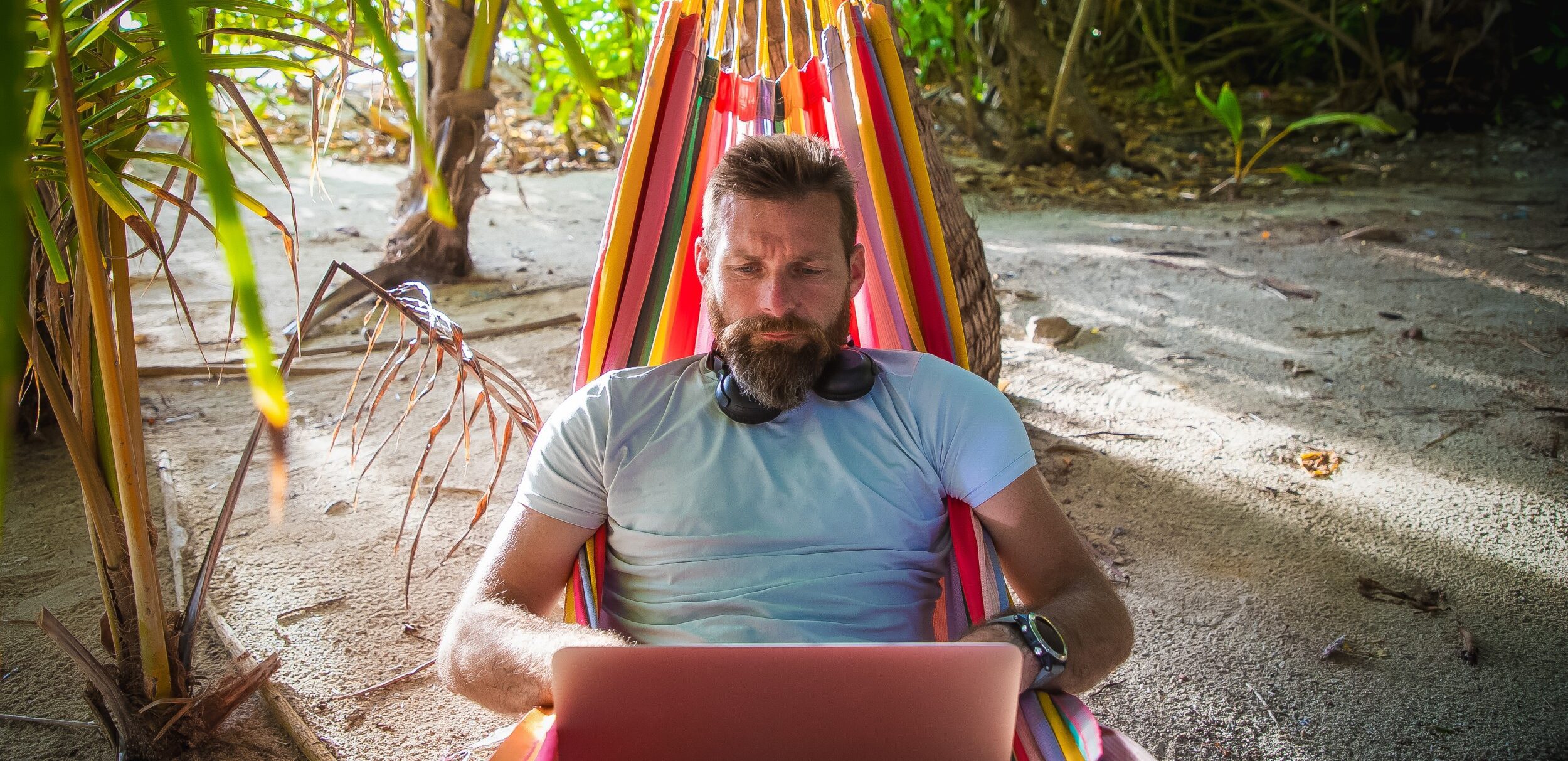
    For a specific segment of the population, the 50 states aren’t enough. We are seeing a record number of American remote workers looking toward the horizon. Countries like Portugal, Spain, and Mexico have become the “new suburbs” for those with the ultimate flexibility.

    Portugal’s D7 visa and Mexico’s welcoming expat hubs like Mérida are attracting thousands of families who want a slower pace of life. Imagine coding your next software update while looking at the Mediterranean or the Oaxacan mountains. With over 18 million Americans now identifying as digital nomads, the link between earning and geography has been officially severed.

    Why the Shift is Permanent?

    You might wonder if the “Return to Office” (RTO) mandates will eventually pull everyone back. The short answer? Not really. While some CEOs are making noise about full-time office work, the market has already spoken. Recent studies show that productivity actually increases by about 13% in remote settings due to fewer distractions and less “commute fatigue.”

    Furthermore, remote work changes the power dynamic of hiring. In 2026, if a company refuses to offer flexibility, they simply lose the talent war. Over 40% of employees say they would quit on the spot if forced back to a desk five days a week. For the modern professional, autonomy is the new currency.

    Top Destinations to Watch in 2026

    If you are looking to make a move, here are the cities currently winning the remote work lottery:

    1. Austin, TX: Still the king of tech-meets-culture, though people are moving to the outskirts like Katy and Cypress for more space.
    2. Huntsville, AL: A surprising dark horse with a booming tech scene and incredibly low cost of living.
    3. Denver, CO: For the “Laptop and Latitude” crowd who want the Rockies as their backyard.
    4. Charlotte, NC: The perfect balance of big-city infrastructure and Southern affordability.
    5. Myrtle Beach, SC: Leading the pack for those who want the ocean breeze without the California price tag.

    The Human Side of the Move

    At the end of the day, this migration isn’t just about spreadsheets and tax breaks. It is about a fundamental shift in the American Dream. We are no longer living to work; we are working to live. People are moving closer to aging parents, seeking out better school districts for their kids, or simply finding a community where they feel they belong.

    The remote work in 2026 landscape rewards the bold. It rewards the people who realize that they don’t have to wait for retirement to live in their favorite vacation spot. Whether it’s a cabin in the woods or a condo in a “middle-tier” city with a thriving coffee shop scene, the options are endless.

    How to Prepare for Your Move

    If you’re thinking about joining the millions of Americans on the move, here are three quick tips:

    • Check the “Digital Infrastructure”:
      Don’t just look at the view; check the fiber-optic availability. A beautiful mountain cabin is a prison if the Wi-Fi keeps dropping during your Zoom presentations.
    • Test the “Third Places”:
      Before you buy, spend a week there. Visit the local libraries, coworking spaces, and cafes. You’ll need these “third places” to stay sane when you need a break from your home office.
    • Understand the Tax Implications:
      Moving across state lines (or international borders) can get messy with taxes. Make sure your employer is on board with your new “tax home” to avoid a headache next April.

    Final Thoughts

    The world of work has changed forever, and the map of America is changing with it. We are entering an era where your zip code is a choice, not a requirement.

    So, where will your laptop take you next? The road is open, the Wi-Fi is getting faster, and the best version of your life might be just one relocation away.

    Subscribe to What Works Next today and join a community dedicated to transforming the way we work. Working smarter starts here!

  • 7 Ways that Real Digital Nomads Make Money in 2026

    7 Ways that Real Digital Nomads Make Money in 2026

    The dream of trading a cramped cubicle for a beachfront villa in Bali or a cobblestone cafe in Madrid is no longer just a Pinterest board fantasy. In 2026, the world has officially entered the era of “Slow Travel” and “Workcations.” Over 60 countries now offer specialized visas to entice location-independent talent. Digital nomads are no longer just “backpackers with laptops.” They are a high-earning global workforce of 40 million people rewriting the rules of the 9-to-5.

    Whether you are looking to leverage geo-arbitrage (earning USD while spending Pesos) or simply want to escape the winter, the barriers to entry have never been lower. AI-planned itineraries, the death of roaming fees via universal eSIMs, and a massive surge in co-living hubs mean you can land in a new country and be productive within minutes.

    But the burning question remains: how do digital nomads make money without a traditional office? Here are the seven proven ways to fund your life on the move.

    High-Ticket Freelancing and Virtual Work

    Trading your skills for a global currency is the fastest way to start your journey as a digital nomad. In 2026, specialized freelancers (particularly in AI implementation, cybersecurity, and software development) are commanding rates of $80 to $200 per hour.

    Platforms like Upwork and LinkedIn have evolved into “talent marketplaces” where businesses hire remote experts to bypass local labor shortages. The trick to making this sustainable is “niche-ing down.” Instead of being a general writer, you should be an AI-prompt engineer for legal firms. The more specialized your virtual work, the higher your leverage.

    High-Ticket Freelancing and Virtual Work

    Authority Blogging and Content Ecosystems

    While some claim “blogging is dead,” real-world data proves the opposite. In the age of AI search, “depth of stay” and authentic experience are the new gold. Successful travel bloggers are not just writing diaries; they are building authority ecosystems.

    By starting a blog, you create a 24/7 income machine through affiliate marketing, display ads, and sponsored collaborations. In 2026, the “Slowmad” trend involves staying in one city for 3 to 6 months. This allows bloggers to create the deep, high-trust content that AI search engines prioritize, turning a simple website into a six-figure asset.

    Authority Blogging and Content Ecosystems

    Launching a YouTube or “Nano-Creator” Channel

    Video content is the heartbeat of the digital nomads community. From high-production vlogs to educational “how-to” tutorials, YouTube allows you to monetize your personality and expertise simultaneously.

    The viral secret for 2026 is the Nano-creator. You do not need a million subscribers to make a living. By focusing on a hyper-niche, such as “The Best Co-working Spaces in Medellin,” you attract a high-value audience. Most creators find that their true income doesn’t come from YouTube ads, but from selling their own digital products and books to their loyal viewers.

    Launching a YouTube or "Nano-Creator" Channel

    Travel Photography and Stock Licensing

    High-quality visual content is a hungry beast that always needs feeding. Brands are constantly searching for authentic “lifestyle” imagery that does not look like a staged stock photo.

    Real digital nomads make money by licensing their travel shots on platforms like Stocksy or Shutterstock. Beyond stock sites, many nomads partner with local Airbnb owners or boutique hotels to refresh their marketing photography in exchange for free stays and high daily fees. With 5G now reaching even the remotest villas in Ubud, uploading 4K b-roll to clients across the world is seamless.

    Travel Photography and Stock Licensing

    Virtual Teaching and Online Education

    Education has gone 100% borderless. While “Teaching English” was once the classic nomad entry job, 2026 has seen a shift toward “Expert-Led Micro-Courses.”

    Whether you are teaching coding, yoga, or digital marketing, platforms like Teachable and Skillshare allow you to package your knowledge into a passive income stream. If you prefer a live connection, virtual tutoring remains a stable way for digital nomads to ensure a consistent monthly paycheck while exploring emerging hubs like Nepal or the Philippines.

    Virtual Teaching and Online Education

    E-commerce and the “Shopify Nomad” Model

    Managing a physical retail store used to require a physical presence. Not anymore. With the rise of sophisticated supply chain tools and Shopify, you can run a global brand from a hammock.

    Most successful nomads utilize the “Drop-shipping” or “Print-on-Demand” models, where they never actually touch the product. They focus on marketing and customer experience, while a third party handles fulfillment. In 2026, the focus has shifted toward “Sustainable E-commerce.” This involves selling eco-friendly products that align with the values of the modern traveler.

    E-commerce and the "Shopify Nomad" Model

    Strategic Coaching and Consulting

    If you have a proven track record in business, tech, or personal development, consulting is your ticket to a premium lifestyle. High-end consultants often earn $150 to $500 per hour, which allows them to work just a few days a week.

    The key to succeeding in this niche is having a professional “authority website” and a strong LinkedIn presence. In 2026, many consultants are using AI agents to handle their scheduling and initial client research. This frees them up to focus on deep-dive strategy sessions from their base in high-infrastructure cities like Singapore or Dubai.

    E-commerce and the "Shopify Nomad" Model

    The 2026 Reality: Why Now?

    The “Digital Nomad Services Market” is projected to hit nearly $55 billion this year. Governments are literally competing for your presence. Countries like Spain, Italy, and Japan have launched visas with clear paths to permanent residency. This means your “temporary” adventure could lead to a second passport.

    The most successful digital nomads make money by diversifying. They do not just have one job; they have an “income stack.” This is a mix of freelance clients, a blog, and perhaps a few digital products.

    Final Thoughts

    The transition to becoming a digital nomad is no longer a leap of faith. It is a calculated career move. With the right skill set and a bit of “geo-arbitrage” savvy, you can live a life that most people only see on a screen.

    Are you ready to stop scrolling and start packing? The world is open, the Wi-Fi is fast, and your new office is waiting.

  • What does Gen Z think of Remote Work?

    What does Gen Z think of Remote Work?

    Remote work transformed how the world works, and many people now expect it as part of modern employment. But when it comes to Gen Z workers, the story is not what you might expect. This generation entered the workforce at a time when remote work was booming, and yet they offer a surprising perspective on how work should look. 

    We will talk about what Gen Z employees think about remote work, backed by the latest research and trends shaping workplace culture.

    The Unexpected Truth About Gen Z and Remote Work

    When companies rushed into remote work during the pandemic, the assumption was that Gen Z would embrace it more than any other group. After all, they grew up with technology, digital communication, and flexible learning environments.

    However, the latest data reveals a different picture: only a minority of Gen Z workers say they want to work fully remotely all the time. According to a Gallup survey, just 23% of remote-capable Gen Z employees in the U.S. prefer fully remote work, compared with about 35% across older generations. This makes Gen Z the generation least likely to choose fully remote roles.

    Research shows that Gen Z prefers working in a mix of environments and, in many cases, favors hybrid or in-person work arrangements. This doesn’t mean they reject remote work entirely. Instead, they want a smarter approach that combines flexibility with connection and professional development.

    Why Many Gen Z Workers Prefer Hybrid and In-Person Settings

    Several factors help explain why Gen Z employees don’t overwhelmingly choose fully remote work.

    1. Connection and Social Interaction Matter

    Even though Gen Z grew up online, they value in-person connection at work. Some surveys indicate that more than half of Gen Z workers say they work better with real human interaction and feel more productive around colleagues. Around 57% of Gen Z employees prefer in-person jobs, while only about 27% favor fully remote roles.

    Remote work can lead to feelings of isolation, and studies show Gen Z reports higher levels of loneliness than older age groups. That can make fully remote work less appealing, especially when compared with hybrid work that includes regular office time.

    2. Career Growth and Mentorship Are Key

    Gen Z employees are early in their careers, and many feel that in-person environments help them develop professionally. They want access to mentorship, real-time feedback, and informal learning moments that can be harder to replicate in a remote setup. This desire for connection supports hybrid models where remote work is balanced with structured office interaction.

    3. Flexibility Without Isolation

    While fully remote work might feel isolating, many Gen Z workers still value its benefits. A large percentage find workplace flexibility essential when considering job opportunities. One report found that about 65% of Gen Z see flexibility in remote or hybrid models as the most important factor they look for in a job.

    This means Gen Z wants freedom without sacrificing opportunities for connection and growth. A hybrid approach delivers this balance: work from home sometimes, work in the office when it enhances collaboration or helps build career skills.

    Hybrid Work Is the “Best of Both Worlds”

    The most consistent trend across multiple studies is that Gen Z thrives in hybrid work arrangements. Hybrid work allows Gen Z employees to manage their time, reduce commuting stress, and control their work environment while still being present in the workplace for key interactions and team dynamics.

    Hybrid work gives Gen Z the structure they need without forcing them into full-time office hours. It supports mental well-being through flexibility while supporting professional growth through face-to-face opportunities. Gen Z’s preference for hybrid setups may help explain why remote work remains popular, but fully remote roles are not as widely chosen as expected. 

    What Employers Can Learn From Gen Z’s View of Remote Work

    Employers looking to attract and retain top Gen Z talent must rethink how remote work is offered and structured.

    Prioritize Flexibility and Choice

    Instead of rigid remote or office requirements, allowing employees to choose where they work based on tasks can be a powerful strategy. Gen Z workers want autonomy over when and where they complete their work, as long as they still feel connected and engaged.

    Offer Professional Development Opportunities

    Gen Z employees care deeply about career growth. Remote work should never reduce access to learning, mentorship, or networking. Employers can design hybrid schedules that include collaborative days focused on professional development.

    Build Community and Culture

    Gen Z wants a workplace where they feel part of something larger. Regular in-person events, mentorship programs, and team building help build cultural connections that remote work alone can’t create.

    The Future of Remote Work and Gen Z

    Looking ahead, remote work will continue to evolve. Gen Z’s preferences are shaping how companies think about workplace strategy. Rather than fully remote or fully in-office models, hybrid work stands out as the most appealing structure for this generation.

    Workplaces that embrace flexibility while fostering connection and growth will attract and retain more Gen Z employees. Remote work remains a valued part of the work ecosystem, but it works best when combined with opportunities for real-world interaction and engagement.

    As employers adjust policies and people rethink their careers, the role of remote work is becoming more refined. Gen Z’s attitudes highlight that the future of work includes remote work, but in ways that support community, professional development, and quality of life.

    Final Thoughts

    Gen Z workers did not reject remote work. They simply see it as one part of a broader work experience that also values interaction, mentorship, and development. Remote work matters, but not in isolation. It works when employees can blend flexibility with connection and growth.

    Understanding this balanced view of work helps companies build workplaces that are effective, engaging, and welcoming to the next generation of professionals. It also shows that remote work will persist, but as a flexible option within a larger workplace strategy.

    Subscribe to What Works Next today and join a community dedicated to transforming the way we work. Working smarter starts here!

  • Top 10 Remote Work Trends and Strategy Tips for 2026

    Top 10 Remote Work Trends and Strategy Tips for 2026

    If you’re paying attention to remote work trends, you already know about how it has become a global shift, reshaping where and how people work every day. In 2026, hybrid models, new digital skills, and smart strategies are becoming the key differentiators between thriving teams and those stuck in old-school routines. 

    Let’s break down the top trends and actionable strategy tips that will keep you ahead of the curve this year.

    1. Hybrid Work Is the New Normal

    Remote work is evolving, in a good way! Hybrid models combine the best of remote flexibility and in-person collaboration. Recent data shows most workers prefer hybrid arrangements, with many companies adopting them as the default setup. This makes remote work part of core business culture, not just a perk.

    Strategy Tip: Offer flexible schedules and empower teams to choose the rhythm that drives productivity. Focus on outcomes, not office hours.

    2. Flexibility Beats Salary in Job Decisions

      Recent research reveals 85% of workers rank remote flexibility over salary when choosing a job. Demand for remote roles continues to grip the job market.

      Strategy Tip: If you want to retain talent, make flexibility part of your total rewards strategy.

      3. AI Supercharges Remote Productivity

        Artificial intelligence isn’t a fringe tool anymore; it’s central to efficient remote work. Remote professionals increasingly use AI to automate tasks, draft reports, manage workflows, and analyze insights faster than ever.

        Strategy Tip: Lead with AI training. Equip your teams with tools and knowledge to work smarter, not harder.

        4. Micro-Shifting 

        Forget rigid 9-5 schedules. Workers today blend work around life through “micro-shifting,” fitting tasks into moments of peak focus instead of fixed hours. This trend is quietly gaining steam as workers prioritize output over presence.

        Strategy Tip: Focus on deliverables and results rather than time tracking. Trust drives performance.

        5. Global Talent Pools Expand

        With remote-first hiring, companies tap talent worldwide. This broadens opportunities but also raises competitive expectations for skills and adaptability.

        Strategy Tip: Recruit globally and invest in communication tools that support distributed teams across time zones.

        6. Remote Work Still Big 

        Remote work remains strong. Nearly a quarter of U.S. professionals work at least part of the time remotely, and yet patterns vary by region and industry. Hybrid work is even more common than fully remote roles.

        Strategy Tip: Analyze patterns in your industry and tailor policies rather than copying generic remote templates.

        7. Digital Skills and Cognitive Flexibility Rule

        Remote work trends show that digital communication, adaptability, and AI-fueled productivity are must-have skills in 2026. Workers who can switch tasks seamlessly and learn fast outperform those who don’t.

        Strategy Tip: Build continuous learning programs and skill workshops so teams can adjust quickly to change.

        8. Cybersecurity Becomes a Core Work Pillar

        Remote work exposes companies to security risks. As teams decentralize, robust digital security becomes non-negotiable so that data stays safe regardless of location.

        Strategy Tip: Train employees in security best practices and invest in tools that protect devices and networks.

        9. Well-Being Takes Center Stage

        Companies are embracing mental health support and wellness resources as core components of their remote work strategy. Well-being now factors into productivity and retention more than ever.

        Strategy Tip: Build support systems that care for the whole person, not just the worker.

        10. Distributed Workplaces & Nomad Culture Grow

        Remote work trends also include more professionals adopting digital nomad lifestyles and companies experimenting with distributed work hubs. Remote work today means location freedom without sacrificing connectedness.

        Strategy Tip: Consider stipends, location flexibility programs, and decentralized team events that strengthen culture from anywhere.

        Expert Strategy Tips to Win in 2026

        Document Clear Policies: Remote or hybrid arrangements must be easy to follow and accessible to everyone.

        • Measure Output Over Hours: Trust your team to deliver quality and not punch a clock.
        • Prioritize Continuous Learning: Create pathways for upskilling in tech, communication, and leadership.
        • Use Data to Inform Decisions: Track performance, engagement, and satisfaction to improve systems.
        • Prioritize Work-Life Harmony: Promote breaks, wellness tools, and a culture that respects boundaries.

        Final Thoughts 

        One thing is clear: remote work trends in 2026 are all about how people work, what tools they use, and why they choose flexibility over conventional models. As you build your strategy this year, remember that people don’t just want freedom; they want purpose, connection, clear expectations, and opportunities to grow.

        Keep these remote work trends and strategy tips at the front of your plans, and you’ll not only adapt to 2026, but you’ll also thrive within it.

        Subscribe to What Works Next today and join a community dedicated to transforming the way we work. Working smarter starts here!

      1. Remote work is not dead – It’s just not 2021 Anymore

        Remote work is not dead – It’s just not 2021 Anymore

        We aren’t in 2020 anymore, and the 2025 year-end is just around the corner as well. Rumours have been that remote work is dead or will be in 2026 and later. However, from what we have seen and observed via different online discussions, forums, and communities, remote work is not dead. It is simply growing up, but in a different way than before. 

        The last few years have changed how the world works. In 2020 and 2021, companies hired remotely at record speed. Why? Because it was the need of the time.  Many decisions were made quickly and without long-term planning. In 2025, the conversation looks very different. Remote work still exists, but companies now apply it with more structure and purpose. Current remote work trends show a clear shift toward balance rather than extremes.

        What Remote Work Looks Like in 2025 and Beyond

        Recent workforce data from 2025 indicate that approximately one-quarter of professionals in the United States have part-time remote jobs. Whereas, fully remote roles now represent a smaller share than during the pandemic peak, while hybrid roles continue to grow across tech, marketing, creative, operations, and product teams.

        These remote work trends reveal one clear pattern for us. That companies are no longer hiring remotely by default or out of necessity. They now prefer to hire remotely when it makes business sense, aligns with their business goals, structure, and growth path.

        Roles that depend on focus, output, and digital collaboration still perform extremely well outside traditional offices. Marketing, design, engineering, product, and customer success roles continue to thrive through online work from home setups where physical location does not affect results. While it varies business to business, considering the dullness of remote work wouldn’t be wise. 

        Why Remote Work Still Makes Business Sense

        Remote work remains a strong business strategy for several reasons. Here are some that we think still matter:

        1. Companies continue to face talent shortages in key markets. So, hiring globally allows access to senior-level skills that local hiring cannot always provide.
        2. Cost efficiency also drives adoption. Many US companies hire professionals from Europe, South Asia, and Latin America. Why? They often save between 50% and 70% on salaries while maintaining senior-level expertise.
        3. Moreover, employee expectations have shifted permanently. Top talent or not, individuals now demand flexibility and fair compensation. Professionals increasingly prefer roles that support flexible online work from home rather than strict office-based schedules.

        Is the 2021 Remote Work Hype Over?

        Yes, the hype is over. But the concept isn’t!

        The idea that every company would become fully remote did not last. Offices still matter for collaboration, leadership, and culture in many organizations.

        However, remote work itself did not disappear. It has evolved into hybrid and flexible models that reflect modern business needs (which may differ from industry to industry). The updated remote work trends favor intentional policies rather than one-size-fits-all approaches.

        The Bigger Picture

        The big picture is that remote work has transformed into a deliberate business strategy rather than a pandemic need. Most companies use remote work to reduce costs, expand hiring reach, retain top talent, and scale efficiently. Yes, even in 2025!

        On the other hand, employees value flexibility, focus, and global opportunities enabled through remote roles. So, it’s a win-win for both. And so, online work from home, instead of fading, is becoming more selective, sustainable, and results-driven.

        Final Thoughts

        The hiring frenzy of 2021 may be over, but the need for flexibility, global talent, and efficient ways of working remains strong. As businesses mature their models and workers refine their expectations, remote work continues to prove its value. And it is settling into a more balanced and sustainable place that actually works for the long term for both companies and professional individuals. 

        Subscribe to What Works Next today and join a community dedicated to transforming the way we work. Working smarter starts here!

      2. The Rise of the Digital Nomad 2025: Best Destinations and Remote Work Visas

        The Rise of the Digital Nomad 2025: Best Destinations and Remote Work Visas

        The rise is there – whoever says remote work is vanishing isn’t aware of the real stories out there. If you’re chasing top-tier digital nomad jobs, now is your moment!

        Remote workers are choosing to work from anywhere because the companies they work with also support it. The momentum behind this shift is massive. As part of the wave of evolving digital work trends, location-independent careers are becoming mainstream rather than fringe. Businesses want reliable, smart, and accountable resources. Similarly, individuals working remotely seek remote-friendly, open-minded, and supportive companies to work in.

        A Tidal Shift in Remote Careers

        Although it seems 2025 has seen a drop in remote work opportunities, it really isn’t. New data reveals otherwise: globally, an estimated 40 million people were living as digital nomads by 2025. In the U.S., the number of people identifying as digital nomads reached about 18.1 million by 2024. Numbers don’t lie, so!

        What does this mean for you? It means that digital nomad jobs are no longer novelty side-gigs. They’re serious career paths – but only for those who are willing to take on the responsibility. Being a digital nomad means you’d have to self-manage everything, update your teams, clients, and projects with self-accountability. And so, with willingness, companies are shifting roles, compensation, and culture in response.

        This shift ties directly into the broader remote work revolution. As more people prove value outside of offices, the idea that you must be in one place is fading. Instead, you now face the option to design your life and career around freedom.

        Why “Work From Anywhere” Is No Longer a Fantasy?

        One major driver of this trend is institutional change. Meaning more than 40 jurisdictions now offer remote-worker or digital nomad visas. These programs allow you to live in a foreign country while working for a company elsewhere (but you would need skills, experience, and relevant prerequisites to secure the visa). For example, on 21st November 2025, Slovenia launched its first digital nomad visa, open to non-EU workers staying up to one year. Btw, alongside other requirements, to be eligible, you must either be employed by a company outside Slovenia or provide services to international clients. This means that the possibility of working from anywhere truly exists for more people than ever before.

        These visa programs reflect how digital work trends are now global policy issues. Governments know that mobile talent brings foreign income, entrepreneurship, and growth. Nomads are becoming a viable economic asset, not just wanderers. 

        Top Destinations for Digital Nomads in 2025

        If you’re ready to chase freedom, location matters. Some destinations are clearly ahead with digital nomad visas and opportunities. The United Arab Emirates (UAE) climbed to 2nd place in the 2025 VisaGuide Digital Nomad Visa Index, behind Spain. In Dubai and Abu Dhabi, you’ll find ultra-fast internet, five-star amenities and visa policies aimed at remote professionals.

        After Bali, Indonesia, another hotspot is Thailand. According to a recent index of remote-worker-friendly cities, Bangkok topped the list thanks to low cost of living and high internet speed. Meanwhile, Portugal, Mexico and Slovenia are strong contenders thanks to affordable living, good infrastructure and now formal remote work programmes. 

        Still, destination choice isn’t only about lifestyle. It’s also about how well your digital nomad jobs match your travel and visa goals. Cost, timezone compatibility, co-working access and local support matter deeply.

        Visa Basics and What You Need to Know

        Before packing up your bag, you’ll want to understand how visas and compliance influence your lifestyle. Many remote work visas require proof of employment with a non-local employer, minimum income thresholds and health insurance. For example, Portugal’s remote-worker visa lets many nationalities stay for up to a year and apply for renewal.

        Your job must qualify you to legitimately hold a remote role, ideally one of the formal digital nomad jobs indicated above. Your work must not compete with local jobs in the host country. Also, tax and compliance issues may differ depending on the location and your employer’s policy.

        Many entrants fail not because they don’t want to move, but because they underestimate the paperwork, income requirements or tax obligations. A recent survey shows that application approval rates hover around 50%-60% for many programs.

        How to Land and Excel at Digital Nomad Jobs

        If you’ve read this far, you’re probably thinking about how to make it real. First step is to short-list and target remote-friendly careers. Software development, digital marketing, UX/UI design and product management rank high among nomad priorities. When you apply, don’t just mention “remote.” 

        The second step is to align your lifestyle and location. If you plan to work from anywhere, choose a job that truly supports mobility. Some companies still restrict location or penalise for time-zone misalignment. Ask about location flexibility during interviews. 

        The third step is to recognise you’re part of a bigger shift. Many leaders still re-examine where and how work gets done. A 2025 study found many firms reverting to stricter location policies despite earlier remote-work momentum. That means you’ll win with clarity, not assumptions. Define your terms before you move!

        Key Insights from 2025’s Digital Nomad Landscape

        A few takeaways stand out. Nomadism is no longer fringe. The combination of high-mobility roles, supporting infrastructure and visa regimes makes this a viable career trajectory. Unlike years past, many digital nomads are mid-career professionals earning six figures, not just freelancers. 

        However, the lifestyle demands discipline. Freedom comes with responsibility: connectivity, self-management, financial stability and resilience. The digital work trends are shifting from glamour to infrastructure. Support systems matter-stable internet, reliable backup, remote-work skills and compliance knowledge.

        Final Thoughts

        The world of digital nomad jobs is exciting and real. In 2025, the opportunity to work from anywhere is stronger than ever- but it requires strategy. Choose destinations that suit your lifestyle and income, prepare your career for mobility, and act with awareness of global changes. The digital work trends point toward mobility and remote presence.

        This is your chance to live expansively, design intentionally and work globally. The tools are available, the visas exist, and communities are growing. 

        The only question is: are you ready to pack up your routine and start writing your own location-independent chapter?

        Subscribe to What Works Next today and join a community dedicated to transforming the way we work. Working smarter starts here!

      3. Top 5 Highest-Paying Freelance Jobs in 2026

        Top 5 Highest-Paying Freelance Jobs in 2026

        We understand the importance of having multiple income streams. Let’s discover the top 5 highest-paying freelance jobs in 2026, with compensation and growth avenues to help you find the most lucrative passive income streams. 

        Whether you are working as a remote worker, a work from home employee, or a freelancer. It’s for everyone!

        We are almost at the end of 2025, and 2026 is just around the corner, and we foresee that the freelance work is projected to grow as more and more businesses are now embracing remote jobs. Many companies are now transitioning into outsourcing specialized tasks to experienced independent contractors and professionals. From AI engineers to app developers and cybersecurity experts, experienced freelancers are earning more than ever and are anticipated to earn more under the highest-paying in-demand roles in 2026. 

        Just to be clear, high-paying remote or freelance jobs are not just limited to tech roles; finance, creative services, and marketing roles and services are also in high demand. Many freelancers, despite their location, are earning around 6 figures per annum by having the right skill set backed up by a strong portfolio, experience, and healthy client relationships.  With freelance opportunities ranging from contractual, part-time gigs to long-term full-time positions, the market for remote freelance work has never been stronger, and more individuals are now opting for different freelance opportunities.

        What makes a freelance job high-paying?

        Well, not ALL freelance jobs pay equally. There are many factors involved, ranging from the role itself, the experience and expertise it demands, the industry and niche of the job, and so forth. The demand for the role also varies from industry to industry. 

        Factors that influence earning potential include, but are not limited to:

        • Specialized and mature skills. Remote freelancers with core advanced skills, such as AI prompt engineering, machine learning, cybersecurity, blockchain development, or AEO optimization, can ask for higher rates.
        • Scalability as you grow. Freelance jobs that allow individuals to work with numerous clients at once usually lead to higher income streams. Such as digital marketing or business consulting, etc. 
        • Global reach is something that allows you to hit max payouts. Individual freelancers who offer services that can be done and delivered anywhere in the world can always tap into a larger pool of high-paying potential clients. Such as visual design, branding, technical writing, or social media marketing or management, etc.

        To multiply and maximize your freelance earnings, consider investing in free or paid certifications, building a strong portfolio and a circle that can recommend you, networking, and word of mouth work wonders in getting remote freelance work without having to spend too much time on freelancing platforms. You should always be willing to target and invest time in high-demand freelance niches where potential clients are actively buying and willing to pay premium rates for services. 

        Top high-paying freelance jobs to consider

        Here are 5 of the highest-paying freelance roles in 2025, and are anticipated to be in demand more in 2026. Each role offers a strong earning potential, growing demand, and the flexibility to work independently or with multiple clients at premium rates.

        1. Machine Learning Engineer

        In 2025 and what we are forecasting for 2026, Machine learning is one of the most in-demand fields in tech. Especially in freelance tech roles, machine learning engineers are in high demand, with growing opportunities for experienced engineers who are specialized in algorithm analysis, development, and model training.

        Machine learning or also known as ML, these engineers utilize their statistical techniques, knowledge, and coding skills to create dependable, highly predictive models, optimize internal systems and tech infrastructure by leveraging AI tools. 

        As per data, the most highly experienced ML engineers can earn between $50 and $200 per hour, depending on individual experience, knowledge, technical capacity, project complexity, and client industry.

        Also, with employment for information research scientists anticipated to grow 20% through 2034, there is going to be no shortage of opportunities in this ever-growing field.

        1. Cybersecurity Developer

        Cybersecurity developers are a hot role today and are expected to grow in demand in 2026 and beyond. They strive to secure their clients’ systems against potential malware, cyber threats, and other risks involved. The cybersecurity experts hold extensive knowledge of the latest malware attacks, vulnerabilities, patches, and solutions, which contribute to developing a secure system capable of repelling malicious actors.

        Typically, if you are a seasoned cybersecurity developer, you can earn between $40-$90 per hour on Upwork, Fiverr, Freelancer, and other remote working platforms. 

        A recent survey by the Bureau of Labor Statistics (BLS) projects that the demand for information security analysts and cybersecurity developers may increase by 29% by the year 2034!

        1. AI Prompt Engineer

        AI Prompt Engineers are in high demand and assist businesses in integrating artificial intelligence into their products, services, and business operations. This position merges programming abilities with AI knowledge to develop and deploy systems that enhance automation, personalization, and efficiency. 

        If we had talked about this role a few years back, people would have been laughing or skeptical about it. But now, the game has changed; the last 2-3 years have really reshaped the AI domain, and businesses now yearn for smart individuals who are getting proficient in prompt engineering. 

        AI Prompt Engineers can generally get hourly rates ranging from $35-$60/hour, contingent upon their area of expertise and the extent of their responsibilities.

        The job market for AI Prompt Engineers and Information Research Scientists is anticipated to expand by 20% by the year 2034, resulting in robust and ongoing demand within this sector.

        1. Blockchain Developer

        A blockchain developer is responsible for creating and sustaining software or systems associated with blockchain technology. This cryptographic innovation plays a crucial role in cryptocurrency and various digital transaction records. Blockchain developers are in demand in sectors such as financial services, healthcare, supply chain and production, video gaming, real estate, and beyond!

        These experts are generally proficient programmers with expertise in Python, cryptography, and blockchain architecture.

        The Bureau of Labor Statistics anticipates a 15% increase in job opportunities for software developers, blockchain developers, quality assurance analysts, and software testers from 2024 to 2034.

        As a blockchain developer, you can earn between $30-$60 per hour on Fiverr, Upwork, Freelancer, and other remote job platforms. 

        1. Business Consultant

        A business consultant assists clients in acquiring a comprehensive understanding of their operations and addressing intricate business issues. If you are in the same niche, the possibilities to earn are endless. 

        Businesses generally engage business consultants to receive guidance on smart methods to enhance daily operations or increase profitability in business dealings. The consultant may focus on one or several business domains, including marketing, finance, or human resources.

        As an independent consultant, you have the opportunity to collaborate with numerous entrepreneurs simultaneously, enabling you to optimize your earnings.

        The average hourly wage for business consultants varies from $28-$98.

        All freelancers operate as self-employed individuals; however, not every self-employed person qualifies as a freelancer.

        The main difference is found in the structure of the business and the nature of client interactions. Freelancers mainly offer their skills and time directly to clients, whereas other self-employed professionals may sell goods, run retail establishments, or oversee staff.

        Subscribe to What Works Next today and join a community dedicated to transforming the way we work. Working smarter starts here!

      4. The Great Office Rebellion: Why Employees Are Pushing Back Against Return to Office Mandates

        The Great Office Rebellion: Why Employees Are Pushing Back Against Return to Office Mandates

        Let’s be honest…

        After years of proving they can work from home successfully, many employees have had enough of being told to “get back to the office.” Following the COVID-19 pandemic, this year, we are seeing a push harder than before for “return to office mandates”. Many businesses are now reintroducing strict return policies, but this time the resistance is louder, smarter, and impossible to ignore!

        What started as quiet frustration has now turned into a global movement of defiance. The employee pushback is growing stronger every day, across the globe, and it is changing the landscape of modern work forever.

        The Data That Proves the Rebellion Is Real!

        1. Workers are ready to quit. No joke!
          A recent FlexJobs report revealed that 76% of employees would consider quitting their jobs if they were forced to give up their remote flexibility. To be honest, this is not a small rebellion. There is a huge number of workers in open disagreement with the same stubborn and outdated expectations from such companies.
        2. Full-time office work is losing ground
          Only 27% of global companies expect to be completely in-person by the end of 2025. The majority are maintaining hybrid setups, signaling that remote work trends have officially reshaped how companies operate. The pressure is on both sides of the table.
        3. The rise of “hybrid creep”
          Employers are quietly increasing the number of mandatory office days and limiting the number of new remote hires. Instead of an open announcement, the shift is subtle but deliberate. Most employees are aware of this. They are noticing and pushing back as much as possible. Is your company also employing the same sort of hybrid creep tactics yet?
        4. RTO with real consequences
          Tanium, a $9 billion cybersecurity firm, recently warned employees that non-compliance with its office mandate could mean losing stock grants. It’s like giving a direct and open warning to the employees. Ford followed suit, warning staff they could be fired for failing to show up on required office days. It honestly feels like a huge push – more like blackmailing employees in the name of “strict office mandates”. 

        Why Workers Are Rebelling?

        1. Trust has become the real issue now
          For many, being forced back feels like a lack of trust backed by a sense of micromanagement. People from diverse fields spent years delivering results while working from home, and now they feel punished for their success. The office is being used as proof of effort rather than a place for collaboration. And this feeling is sort of collective for many employees, regardless of their title and location.
        2. The cost of returning is not just emotional
          Commuting, child care, eating out, and professional wardrobes all add up, and even more. Employees who had learned to budget around work from home life are facing new financial stress to go back to the work from office setup that comes with additional costs. Flexibility has an economic value, and losing it feels like a pay cut!
        3. Work-life balance is non-negotiable now
          Remote work gave individuals the power to organize their lives with more harmony, ease, and discipline. And rigid, unnecessary office rules disrupt that balance. The return to office mandate is literally a “burnout trap.”
        4. The generational divide is deepening
          Younger employees see flexibility as a normal part of work life. Whereas some older leadership often treats it as a privilege and considers it a non-professional way of working. That gap in expectations fuels resentment and feeds ongoing employee pushback across industries throughout the world. 

        When Big Names Crack Down

        • Tanium withheld equity from employees who skipped office days.
        • Ford warned non-compliant employees they could face termination.
        • JPMorgan CEO Jamie Dimon told employees unhappy with office requirements that they could “work somewhere else.”
        • Dell ended its hybrid flexibility, calling everyone near offices back for five days a week.

        Each move sparked public outrage, viral social discussions, and renewed debate over what it means to trust your workforce.

        When Return Mandates Backfire

        Companies that enforce strict RTO policies often face rising turnover and burnout. In the United Kingdom, only 42% of workers said they would comply with a five-day office mandate, a drop from 54% in 2022.

        The message is clear! The more rigid the policy, the higher the disengagement will be. Employees either quit quietly, switch jobs, or mentally check out. No bonus, one-day trip, or pizza on Friday can fix a culture built on control and micromanagement instead of trust.

        How Does This Fit Into Remote Work Trends?

        The remote work trends of 2025 tell a clear story. Flexibility is now the default expectation, not a perk. According to recent data from Stanford’s WFH Research project, nearly 60% of remote-capable employees work in a hybrid setup. Productivity remains stable, and job satisfaction is higher than in full-office environments.

        Even companies like Meta, Amazon, and Google are testing modified hybrid setups. They know that enforcing five office days can damage recruitment and reputation. The shift now is toward finding balance for both employers and employees via structured collaboration without suffocating control.

        Lessons for Leaders and Teams

        For employees:

        • Collect performance data to prove your results while working remotely. Numbers speak louder than attendance. Your work and results will speak for you.
        • Negotiate hybrid terms that prioritize impact over presence.
        • Use social momentum to your advantage. The employee pushback is widespread, and collective pressure matters. It really does!

        For employers:

        • Be transparent about your reasons for return policies. Vague “team culture” excuses don’t work anymore. Employees can’t be fooled anymore. 
        • Focus on redesigning offices as collaboration hubs rather than mandatory spaces just for the sake of it.
        • Offer flexibility where possible, even within structured systems. One-size-fits-all mandates will backfire and could damage a lot. 

        The Culture Clash at the Heart of It All

        This is not just about offices. It is about autonomy as well!

        The work from home revolution changed how people view success and freedom. Employees experienced flexibility, efficiency, and better mental health. Forcing them back feels like reversing progress.

        On the other hand, leaders argue that culture, creativity, and mentorship thrive best in shared spaces. It’s their perspective. The problem lies in execution. Instead of trust-based collaboration, many companies are reintroducing old habits of micromanagement, and the modern workforce sees through it instantly.

        Final Thoughts

        The Great Office Rebellion is not a phase. It is a wake-up call!

        Workers are demanding respect for the systems that have already proven successful. Companies that adapt to these expectations will attract talent and loyalty. Those who cling to outdated routines risk empty desks and public backlash.

        As the world continues to evolve, the power dynamic is shifting. The future belongs to organizations that treat flexibility as a strategy, not a threat. The desire to work from home is not laziness or avoidance. It is a reflection of how people define balance, trust, and quality of life in 2025.

        The revolution has already begun. The question now is “who will adapt, and who will be left behind”

        Subscribe to What Works Next today and join a community dedicated to transforming the way we work. Working smarter starts here!

      5. Is Remote Work a Legal Right? The Global Debate Everyone’s Watching

        Is Remote Work a Legal Right? The Global Debate Everyone’s Watching

        Some businesses and their HR teams across the globe are trying to push remote work back into the shelf. But why?

        Let’s cut straight to it. Remote work laws are no longer a niche legal debate for HR nerds, they’re appearing in headlines, courtrooms, and legislative halls all over the world. The question on everyone’s lips and minds is, “Could YOU actually force your employer to let you work from home?” Or in reverse, could THEY force you back into the office, and would you have any recourse? The fight over work from home rights has just entered a next level.

        The Current Landscape: No Universal Legal “Remote Right” – Yet!

        Currently, there’s no country with comprehensive laws that guarantee remote work on demand. In most places, the decision still resides with the employer or the contract. For example:

        • In the U.S., federal law doesn’t require employers to offer remote work. Workers are largely bound by whatever their employment contract and state/local laws allow. 
        • That said, remote employees do enjoy many of the same protections as those in offices: wage laws, overtime, record-keeping, non-discrimination laws, and more must still apply.
        • Remote workers injured while working from home can still file workers’ compensation claims in many jurisdictions.
        • But here’s the catch: when your work crosses state or national lines, things get messy fast. Employers might suddenly have to comply with multiple tax regimes, labor rules, and benefit mandates depending on where you live.

        So technically, remote work is optional, not guaranteed. But momentum is shifting!

        Flashpoint: Victoria’s Push & Global Eyes on Legal Mandates

        Let’s talk about one of the most-watched cases that is unfolding in Australia right now. In Victoria state, lawmakers are pushing to make work from home rights legally protected, effectively forcing employers to grant at least two days a week of remote work if the role allows it. The idea is bold and already controversial. 

        Supporters see it as a breakthrough in work flexibility. Critics (especially business groups and enterprises) warn that blanket mandates might backfire! Many roles cannot truly be remote, and enforcing rigid rules might add complexity, inefficiency, and inequity. This ongoing debate is lethal!

        Meanwhile, companies globally are revisiting their hybrid policy stances. Some are rolling back remote arrangements, others are digging in, and some are just in the middle of deciding in which way to turn their ship’s route.

        A recent survey found that 34% of U.S. companies now require employees to be on-site at least 4 days a week, up from 23% just two years ago. This creeping shift is being dubbed “hybrid creep.” (search for it, it’s actually a term in 2025!)

        Some tech firms are even demanding a full return to the office. Others, like Meta, are resisting change: Mark Zuckerberg recently affirmed that the company’s hybrid policy will remain for now. 

        Why This Debate Matters to You (Yes, You!)

        1. Clarity and power in negotiations

        If remote work becomes protected by law, employees would be in a stronger position to demand flexibility. Right now, many remote workers feel at the mercy of managerial whims regardless of their country and the institution they work in.

        1. Legal risks and employer responsibilities

        If your government (depending on your country of residence) enacts remote work laws, employers may have to prove that remote work isn’t feasible for certain roles. They might need to formally reject a remote request with documented reasons. This could shift the burden toward fairness and transparency in hybrid policy decisions.

        1. Global remote work headaches

        As people increasingly live in countries different from their employers (digital nomads, expats, cross-state workers, etc), a legal shift could streamline or complicate cross-border employment, tax, and social security rules. Time will tell as more information becomes visible about the same.

        1. Flexibility as baseline, not luxury

        What’s shifting in culture is that remote work is no longer seen as a fringe perk. Many knowledge workers now expect it, and why wouldn’t they? Making work from home rights legal would convert that expectation into enforceable rights in some places.

        Challenges, Risks, and the Gray Zones

        • Which roles truly qualify? 

        You can’t reasonably expect a factory, retail, or health role to run remotely. Mandates will need built-in exceptions.

        • Enforcement logistics

        Who polices compliance? Labor boards? Courts? Internal HR audits? Questions and more questions to think about.

        • One size doesn’t fit all

        A strict law in one region or country might stifle innovation in others. That’s why some argue for hybrid policy flexibility rather than rigid legal prescriptions.

        • Hybrid pushback

        Some businesses argue that too much flexibility undermines collaboration or culture. Although the case may be different but chances are they may lead to resistance to legal constraints.

        • Cross-border complexity

        If I live in country A but work for a company in country B, whose remote work laws apply? Too much on the table to consider and be decided by whom?

        In essence, legalizing remote work is easier said than done. But the fact we’re debating it at all is telling.

        What’s Next? Watchpoints and Predictions

        • Victoria, Australia, will likely become a test case for the rest of the world. If their proposal passes, every country watching will pick it apart, copy it, mend it or challenge it.
        • The hybrid policy will be under the microscope. Companies will need clearer, fairer rules about who can telework and why.
        • Laws around the right to disconnect (i.e., not being forced to respond to work after hours) may gain traction as part of remote frameworks. Some European and Australian jurisdictions already have variants of this.
        • You can expect litigation where remote requests are denied without a valid reason, especially in jurisdictions where labor laws begin to codify flexibility.
        • Remote work acceleration will persist. Research shows that the shift to working from home induced by COVID-19 is persisting even after restrictions eased. Many had built home offices, relocated, or changed firms to be remote-friendly. 

        Final Thoughts

        The very idea of remote work laws used to sound like an alien thing. But now, it’s almost inching towards the reality of today. As more people demand work from home rights and as companies struggle to balance culture, productivity, and flexibility, hybrid policy will become one of the most scrutinized features of modern work.

        Whether or not remote work becomes a universal legal right or stays regional, the debate itself is already reshaping employer and employee dynamics. That’s power! And if you play this right, you could ride this wave of change and not be crushed under it. 

        Subscribe to What Works Next today and join a community dedicated to transforming the way we work. Working smarter starts here!

      6. Reddit Approved Best Work Setup for WFH 2025

        Reddit Approved Best Work Setup for WFH 2025

        Work from home setup really doesn’t matter. They said! They lied.

        What is your must-have work setup from home? This answer to this question varies person to person. My preference is to have an iced latte, a table next to a window with natural light, with no earphones. It could be entirely different for you!

        The wfh 2025 is different than 2020, but it has surely transformed into a more articulated form. It has become a way of living and earning for millions of people like you and me. 

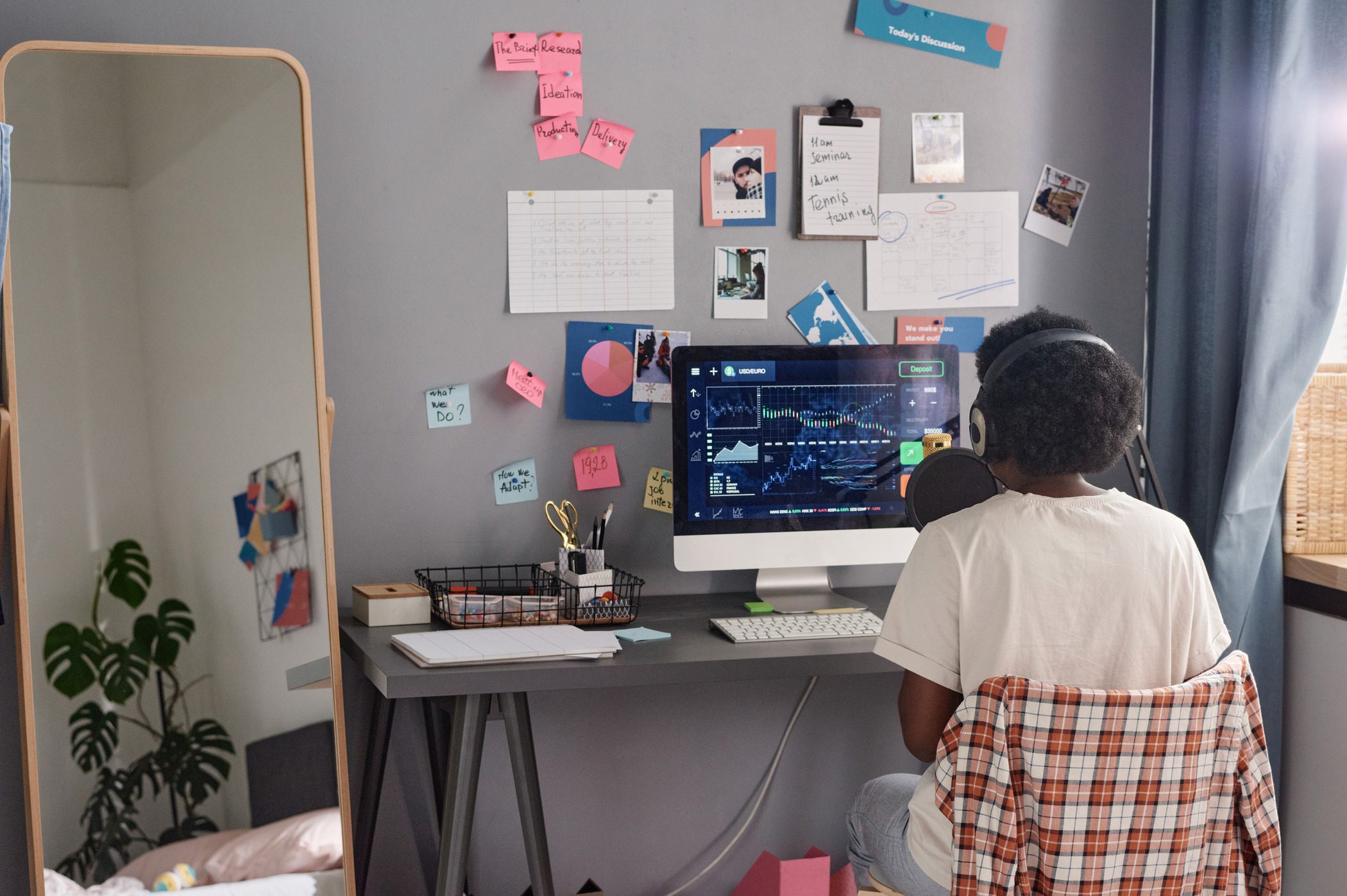
        My productivity in 2025 has depended less on willpower and more on my work from home setup. Before I started working as a work from home employee, I often used to wonder why some remote workers breeze through their day while others constantly feel drained. The answer, I’ve learned, often lies in how the work from home setup is designed.

        Why My Work Setup Matters More Than Ever

        I never realized how much my environment controlled my performance until I tried working from my bed for weeks. Sure, it felt comfortable at first, but soon I was distracted, slouching, and mentally exhausted. My body was always in the “Oh, I am tired” mood. My creative thoughts started to sleep under my pillow. And then I stumbled across Reddit communities like r/home office and r/workspaces. Post after post confirmed what I was feeling: a cluttered or uncomfortable space drains your energy, while a proper work setup with essential tools and accessories boosts focus almost instantly. It did for me and many others (my dependable source: Reddit).

        For me, investing in my setup wasn’t just about work. It was more about protecting my health and creating a place where I actually wanted to spend hours (work demands). So, I started planning out things for my core work station, wfh 2025 isn’t a game as it is, if you know, you know!

        Ergonomics First – Gotta Protect The Body

        What if the biggest threat to your career isn’t stress, but your chair? That question hit me hard because after my bed, I had started getting back pain from sitting on a stiff dining chair. On Reddit, I kept seeing the same advice: fix ergonomics first!

        So I bought an ergonomic chair with lumbar support, and it changed everything. Some people swear by Herman Miller, while others recommend budget-friendly options like Ikea Markus or SIHOO. I also added a sit-stand desk so I could switch positions throughout the day. And to my surprise, a split keyboard and vertical mouse reduced the wrist pain I didn’t even know was creeping in. 30s hit differently as it is!

        These small changes made me feel like I wasn’t fighting against my own body while working. You must have already read the same suggestions a gazillion times. I did too, but never implemented until my body started showing signs. Guess it’s time for you to amp up your workstation for real.

        Suggestions for Ergonomic Chairs under $200

        1. Marsail Ergonomic Chair – priced at $118 at Amazon (price may vary)
        2. TRALT Ergonomic Chair – priced at $140 at Amazon (price may vary)
        3. Sweetcrispy Ergonomic Chair with flip arms – priced at $63 at Amazon (price may vary)

        Technology Upgrades I Can’t Work Without

        Is a laptop enough for working full-time from home? I know it depends on your job role and all. And I thought so too, until I tried juggling between the once-never-closed 50+ tabs. It drove me mad, like seriously. I really wanted to understand if it was just me or if other people feel the same way. 

        So, I went from forums to workspace threads that were full of people swearing by dual monitors, and they weren’t even exaggerating. Most of them were coders, but hey! Other jobs are tough, too. And so, adding a second screen doubled my productivity and reduced my eye strain a little. 

        Other than this, a good webcam and noise-canceling microphone also turned my video calls from “Sorry, can you repeat that?” into clear conversations. 

        Docking stations are must have too. I finally bought one, and now one cable connects everything: my monitors, keyboard, mouse, and a charger keeping my desk clutterfree. A little perfect work setup for myself.

        Lighting and Ambience That Actually Works

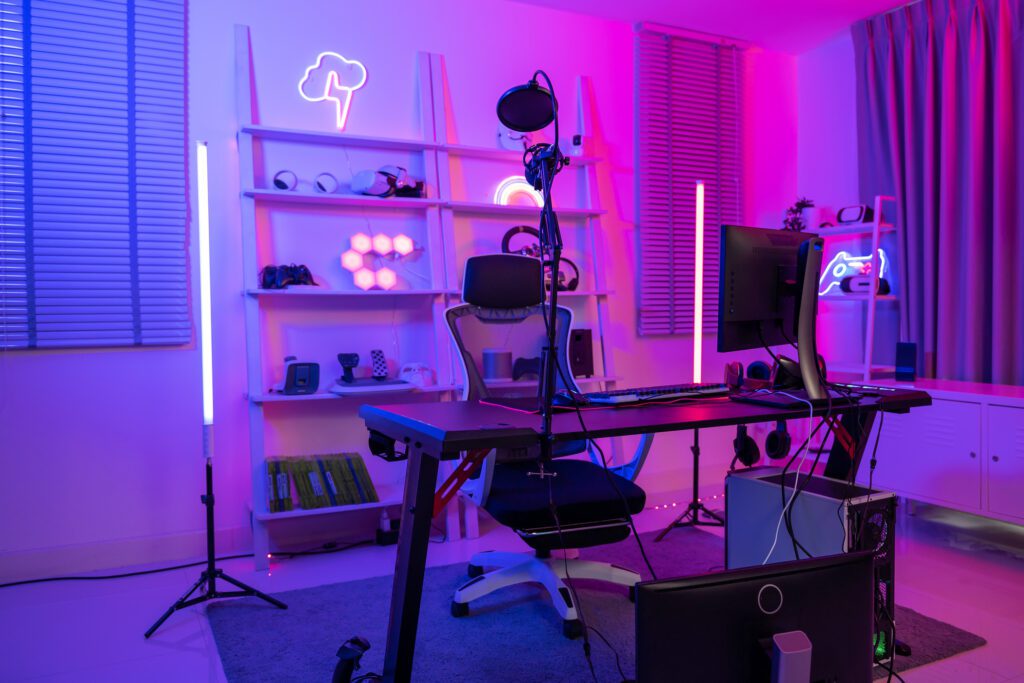
        Could your desk lamp be sabotaging your focus? I didn’t believe it until I switched mine out. Harsh light made me tired, while dim light made me sluggish. Redditors kept recommending warm desk lamps, ring lights for video calls, and natural daylight when possible. I tried all three, and the difference was massive.

        I also added a plant and a simple art print near my desk. It sounds small, but now when I sit down, my brain feels focused and relaxed.

        If you have space and can set your desk near natural light, that would be a great setup too.

        The Minimalist vs. Maximalist Debate

        Why do some people thrive with empty desks while others feel inspired surrounded by gadgets and trinkets? I tested both approaches after reading endless debates on online communities and other forums. 

        When my desk was minimal, I felt calmer. But when I added a few personal touches, a framed photo, a desk mat, and my favorite books, I felt more connected to my space. I realized there’s no “perfect” setup. The best work setup in 2025 is the one that matches your personality. 

        Reddit-Approved Accessories I Swear By

        When I was lost on what to buy next, I leaned heavily on Reddit. Here are the accessories that kept popping up in discussions and that I eventually tried myself:

        • Noise-Canceling Headphones:
          Redditors say they’re worth every cent, and I agree. They create a bubble of focus and block out chaos.
        • KVM Switch:
          Switching between my personal and work laptops with one keyboard and monitor feels like a much-needed solution.
        • Docking Station:
          Reddit community insisted this was essential, and they were right. It declutters your desk and makes connecting devices simple.
        • Ergonomic Keyboard and Mouse:
          A split keyboard and vertical mouse took a week to get used to, but eliminated wrist pain.
        • Standing Desk or Converter:
          Sitting all day was killing my energy. This lets me stand, stretch, and reset without leaving my workspace.
        • Monitor Riser or Arm:
          Lifting my screen to eye level stopped the neck strain I didn’t notice until it was gone.
        • Mechanical Keyboard:
          Typing feels satisfying, and honestly, it makes me enjoy working more.
        • Premium Ergonomic Chair:
          This one is non-negotiable. Every Reddit thread says “buy the best chair you can afford,” and I get why now.

        How My Setup Helped My Mental Health

        Can a desk setup really protect your mental health? I didn’t think so until I realized how blurred my days had become. I’d close my laptop and still feel like I was at work. Online Communities and people working remotely showed me I wasn’t alone. And so, you aren’t alone as well!

        The best advice I found was to create clear boundaries. Use a dedicated corner for work, close my laptop at the end of the day, and build rituals like a short walk after finishing. It tricks my brain into knowing work is done. My setup isn’t just functional now, it’s also a signal to my mind.

        Looking Ahead: Future WFH Trends

        What if tomorrow’s “office” is a headset instead of a desk? Beyond 2025, VR meeting rooms and AI scheduling assistants will become real tools. People are curious about these changes, but most agree: no futuristic gadget will ever replace the basics of good ergonomics, reliable tech, and a calming space.

        Final Thoughts

        So what’s the real secret to thriving in WFH 2025? For me, it wasn’t about discipline or motivation. It was about designing a space where work feels natural.

        Online communities gave me a head start, but the journey was personal. And similarly, it will be the same for you. What you select, how to upgrade your work from home setup depend on your needs. 

        Every upgrade from noise-canceling headphones to a better chair helped me feel more in control of my day. If you’re struggling with focus or fatigue, don’t blame yourself first. Look around. Your work setup may be the hidden key to unlocking your best self.

        Subscribe to What Works Next today and join a community dedicated to transforming the way we work. Working smarter starts here!