Category: Trends

  • Remote Work Revolution: Unlock Freedom, Focus, and Flexibility

    Remote Work Revolution: Unlock Freedom, Focus, and Flexibility

    Remote work has shifted from a rare perk to a global movement. In just a few years, it has transformed how people approach careers, productivity, and lifestyle. For many, remote work represents more than simply working from home. It’s about crafting a career that aligns with personal priorities while delivering professional excellence. This shift empowers individuals to break free from rigid routines, reclaim their time, and work in ways that foster creativity.

    A Look Back: Who Invented Work and How It Evolved

    Before understanding the rise of remote work, it is worth exploring how work itself began. The concept of “work” dates back to early human societies, where tasks focused on survival, such as hunting, farming, and building shelter. Moreover, these foundational activities laid the groundwork for more complex social structures and economic systems that would develop over time. As civilizations grew, specialized roles emerged. The Industrial Revolution brought structured employment in factories and offices, creating the nine-to-five model that dominated the twentieth century.

    For centuries, location dictated opportunity. People had to live near where they worked. As technology advanced, especially with the invention of the internet, geography stopped being a barrier. Consequently, people gained the ability to work and collaborate from virtually anywhere in the world. Remote work began quietly in the late twentieth century with a small number of telecommuters. Today, it is a central part of the modern economy, proving that work no longer has to be confined to a physical office.

    Why Remote Work Became a Global Force

    Remote work surged because technology matured, worker preferences shifted, and employers adapted. The pattern is now global, though it varies by region.

    1. Technology and access improved fast

    Cloud software, secure video calls, and team platforms removed location barriers. On average, people now work from home about 1.27 days per week worldwide. That figure comes from a 2024 to 2025 survey across 40 countries. English-speaking countries average about two days. Latin America and Africa average about one day. Many Asian countries average about half a day.

    2. Workers value flexibility in real economic terms

    Employees place a clear price on hybrid options. A 2024 study estimates that two remote days per week are worth about eight percent of pay, on average. This shows why remote work sticks even when office access returns.

    3. Employer adoption is now mainstream

    Hybrid has become the default for many large firms. Stanford researchers report that most Fortune 500 companies run hybrid schedules with two or three office days. Leaders cite retention and recruiting benefits alongside stable output.

    4. Country data confirms a durable shift

    In the United States, one-third of employed people worked at home on days worked in 2024. That share was similar to 2023 levels. In the United Kingdom, 28 percent of working adults used a hybrid pattern in autumn 2024. Hybrid has become the new normal for many roles.

    Across the European Union, about 22 percent of workers usually worked from home in 2023. That level remains well above pre-pandemic norms. In Australia, 36 percent of employed people usually worked from home in August 2024. Managers and professionals reached 60 percent.

    5. Sector and role differences explain the uneven map
    Remote work concentrates in knowledge roles. In the United Kingdom, information and communication firms reported the highest hybrid use at 49 percent. Professional, scientific, and technical activities followed at 42 percent. Customer-facing and site-based sectors remained lower.

    6. Demographics and lifestyle effects matter

    Parents and older workers are more likely to choose a hybrid in Britain. Workers saved about 56 minutes per home working day by avoiding commuting. Many used that time for rest or exercise. These gains support well-being and focus.

    7. The global baseline has stabilized, not vanished

    Worldwide remote intensity eased from pandemic highs but settled at a steady level. The latest global survey shows a small decline from 1.6 days in 2022 to 1.27 days in early 2025. The plateau suggests a long-term equilibrium.

    8. Why this persists into the future of remote work 2025

    Workers still want choice. Firms still want wider talent pools. Digital tools keep reducing coordination costs. These forces reinforce each other. As a result, remote work continues as a durable part of modern employment rather than a temporary fix.

    This shift has not only changed where people work but also how they measure success, with results taking priority over presence.

    The Benefits of Remote Work You Cannot Ignore

    Remote work brings advantages that go far beyond convenience. It changes how people structure their lives, spend their time, and manage their careers.

    Freedom of Location:

    You are no longer tied to a single city or office building. You can work from your living room, a quiet café, or a co-working space by the beach. Many professionals now combine travel with work, choosing temporary stays in cities or countries they have always wanted to explore. This location flexibility has also allowed people in smaller towns to access jobs that were once limited to big urban centers.

    Time Efficiency:

    The daily commute used to take hours each week. Remote work eliminates that journey, giving people back time for personal priorities. Research from multiple countries shows that remote workers save between 30 and 60 minutes each day that would otherwise be spent in traffic or on public transport. Many use this extra time for exercise, hobbies, or family connections, which can improve overall life satisfaction.

    Cost Savings:

    Both employees and employers benefit financially. Employees save on fuel, public transport fares, parking fees, and even lunch expenses. Employers reduce spending on large office spaces, utilities, and on-site services. For some organizations, downsizing physical office space has translated into significant yearly savings that can be reinvested in technology or employee development.

    Better Focus:

    Many professionals report that they can concentrate more effectively at home. Without the noise of open-plan offices or frequent in-person interruptions, workers can immerse themselves in complex tasks for longer periods. This often leads to improved quality of work and faster completion of projects. Tools like noise-cancelling headphones, dedicated work areas, and customizable lighting also help create a highly focused environment. In addition, implementing clear schedules and regular breaks can further enhance productivity and prevent burnout.

    These benefits explain why remote work has become more than a quick solution during times of disruption. It has grown into a long-term preference for millions across the globe, influencing how careers are built and how companies operate.

    The Future of Remote Work 2025: What Experts Predict

    Industry research suggests that remote work will not only persist but become an even larger part of the global workforce. By 2025, analysts forecast that more than 32% of all employees worldwide will work remotely at least part of the week. In advanced economies, this share may exceed 40%. Hybrid and fully remote arrangements are expected to be standard practice in technology, marketing, finance, education, and other knowledge-based industries.

    This growth is fueled by multiple factors. Advances in artificial intelligence and virtual collaboration are reducing the friction of working across time zones. Internet connectivity continues to improve, with global broadband penetration projected to surpass 75% by 2025. Even rural areas are gaining better access through satellite internet services, making location less of a barrier than ever.

    Smarter Collaboration Tools:

    Artificial intelligence will play a central role in how teams communicate and coordinate. AI-powered assistants will schedule meetings, take real-time notes, translate discussions into multiple languages, and track deadlines automatically. Analysts predict that by the end of 2025, more than half of large companies will have integrated AI meeting assistants into their daily operations.

    Global Teams as the Norm:

    The ability to hire talent from anywhere means companies will continue building internationally diverse teams. A recent global survey revealed that 58% of employers already have at least one remote team member working from another country. This figure is expected to grow to over 70 percent within the next two years as businesses seek specialized skills without relocation costs.

    Immersive Virtual Offices:

    Virtual reality and augmented reality will begin moving from experimental stages to practical use. By 2025, early adopters will host team meetings in virtual office spaces where participants can interact as avatars in shared digital environments. This technology will help mimic the presence of in-person collaboration and may improve relationship building across dispersed teams.

    Greater Focus on Well-being:

    As remote work matures, companies are learning that productivity depends on employee wellness. By 2025, experts predict that at least 60% of large employers will provide structured mental health support for remote workers, as well, many organizations are expected to invest in long-term wellness programs that promote emotional resilience and work-life balance. This includes access to teletherapy, online wellness programs, and stipends for home office improvements that support ergonomic comfort.

    These changes indicate that the future of remote work 2025 will be more flexible, connected, and balanced than anything we have seen before. The global workforce will increasingly measure success not by hours at a desk but by results, collaboration quality, and well-being outcomes. Furthermore, this shift calls for new approaches to management and employee support that prioritize trust, autonomy, and meaningful engagement.

    Setting Up Your Space: Desks That Support Remote Professionals

    A well-designed workspace is essential for remote work success. The desk you choose can directly impact focus, posture, and efficiency.

    1. Standing Desks

    Standing desks help reduce the health risks of sitting all day. Adjustable models allow you to switch between sitting and standing with ease.

    2. Compact Writing Desks

    These are perfect for smaller spaces. They provide enough room for a laptop and essentials without causing clutter.

    3. Desks with Storage

    Ideal for remote workers who need quick access to files, notebooks, and tech gear. Storage helps maintain an organized and distraction-free space.

    4. Foldable Desks

    Great for multi-purpose rooms. You can fold them away after work to reclaim your living space. Choosing the right desk for your needs makes remote work more comfortable and sustainable.

    Creating Focus in a Remote Work Environment

    Working from home comes with distractions, from household chores to social media. Maintaining focus requires intentional effort.

    • Define Work Hours and stick to consistent start and finish times.
    • Use noise-cancelling headphones to create a distraction-free audio space.
    • Set Clear Boundaries so household members respect your work schedule.
    • Batch Similar Tasks to maintain momentum and reduce mental switching.

    These strategies help remote professionals stay productive without feeling overwhelmed.

    How Remote Work Supports Work-Life Balance

    Remote work makes it easier to integrate professional responsibilities with personal life. You can take short breaks to recharge, spend more time with loved ones, or use midday hours for exercise.

    Balance, however, requires discipline. Therefore, cultivating good habits and setting clear boundaries become essential for maintaining that balance over time. Without clear boundaries, work hours can spill into personal time. A structured daily routine ensures you benefit from flexibility without experiencing burnout.

    Overcoming Remote Work Challenges

    While remote work offers freedom, it is not without its obstacles.

    • Isolation, which can happen without regular office interactions.
    • Overworking occurs when the lack of commute leads to longer hours.
    • Communication Gaps appear if teams do not maintain regular contact.

    Solutions include joining virtual communities, scheduling regular check-ins, and using shared digital platforms to stay aligned and connected.

    Why Companies Are Embracing Remote Work

    Organizations see remote work as a competitive advantage.

    • Access to Wider Talent Pools allows recruitment without geographical restrictions.
    • Lower Overhead Costs from reduced need for office leases and utilities.
    • Employee Retention as flexible policies often lead to higher satisfaction and loyalty.

    These benefits make remote work a strategic decision rather than a simple employee benefit. As a result, companies that embrace remote work often gain a competitive edge in attracting and retaining top talent.

    Remote Work and the Future of Careers

    The remote work revolution is influencing career choices worldwide. More people are prioritizing roles that allow flexibility and location independence. Digital skills, adaptability, and self-management are becoming essential for long-term career success.

    The future of remote work 2025 and beyond will belong to those who can combine technical expertise with the ability to work independently. As more companies embrace this model, professionals will have greater freedom to design careers that align with their ideal lifestyle.

    Final Thoughts

    Remote work is no longer just an alternative. It is a cornerstone of modern employment. From its historical roots in the evolution of work to its bright future in 2025, it represents a shift toward greater freedom, focus, and flexibility.

    Whether you are setting up your home office, creating hybrid policies for your business, or simply curious about who invented work and how it evolved, the remote work revolution offers a chance to rethink what is possible. With the right tools, boundaries, and mindset, remote work can help you achieve more while enjoying a balanced and fulfilling life.

    Subscribe to What Works Next today and join a community dedicated to transforming the way we work. Working smarter starts here!


  • Confused About WFH? Here’s What Work From Home Really Means

    Confused About WFH? Here’s What Work From Home Really Means

    Did you know that 12.7% of full-time employees in India work from home, while another 28.2% follow a hybrid model? That’s just one country’s figure. Imagine the scale if we examined this globally.

    In recent years, working remotely has evolved from a niche option into a mainstream employment model. Technology-driven innovation has made it possible for employees to stay connected, productive, and engaged without stepping into a traditional office. For both employers and employees, the benefits range from flexibility and cost savings to improved productivity and work-life balance.

    But before diving into the advantages and challenges, it’s important to ask: what is WFH?

    What Is WFH?

    WFH, or Work From Home, is a work arrangement where employees perform their job duties from home rather than a company office. This setup can be temporary—like during the COVID-19 pandemic—or permanent, as part of a fully remote or hybrid model.

    Gartner defines it as “a type of flexible working arrangement that allows an employee to work from a remote location outside of corporate offices.”

    It’s worth noting that “what is WFH” isn’t just a question or a concept born out of the pandemic. In fact, 5.7% of the U.S. workforce was already working from home before COVID-19 triggered a global shift.

    A Brief History of WFH

    The roots of WFH go back to the early 1990s, when growing internet connectivity and affordable computing power made remote communication possible. As mobile phones became widespread, professionals could manage calls, meetings, and tasks from nearly anywhere homes, cafés, and even airport lounges.

    The idea gained slow momentum until 2020, when worldwide lockdowns forced organizations to adopt WFH almost overnight. The results were surprising: the number of remote workers more than doubled globally, and many companies found that productivity stayed the same or even improved.

    Why WFH Thrived Post-Pandemic

    One major reason for its success is that employees reclaimed the time lost to commuting. In some cities, workers saved more than 10 hours a week just by skipping daily travel. That extra time translated into better focus, more rest, or personal projects.

    From an employer’s perspective, WFH unlocked access to a much wider talent pool. Companies could hire the most skilled candidate regardless of location, enabling diversity and innovation.

    The Technology Driving WFH

    The rise of WFH has been supported by a suite of digital tools. Platforms like Slack, Microsoft Teams, and Zoom make real-time communication effortless, whether for quick check-ins or full-scale virtual conferences.

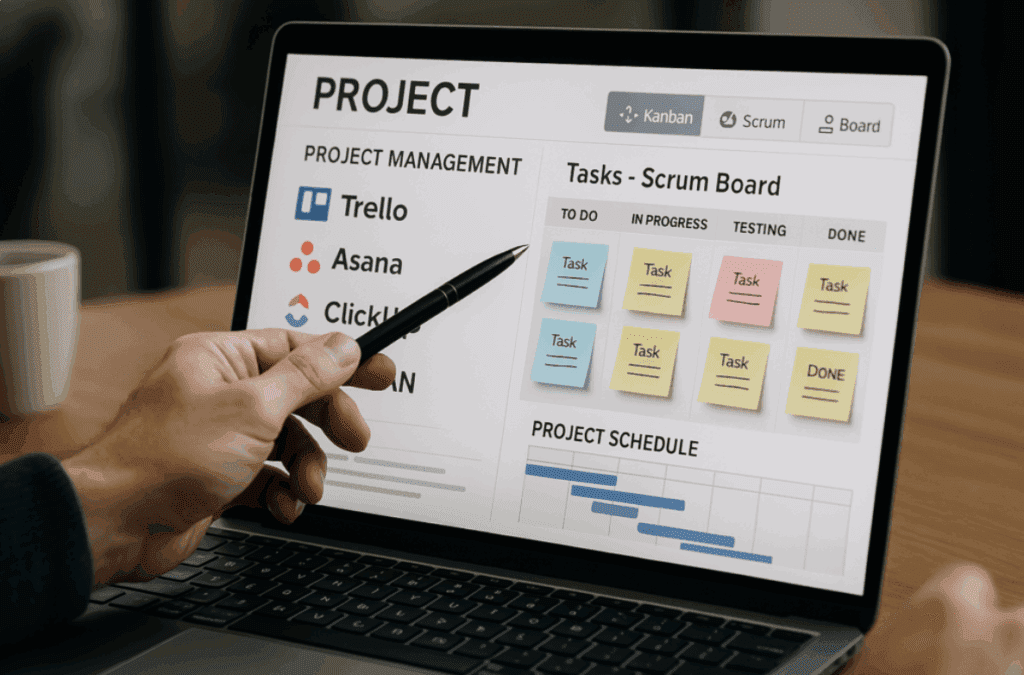
    Project management software like Trello, Asana, and Notion keeps workflows transparent. E-learning platforms allow employees to develop skills, while businesses deliver structured training to improve performance.

    In short, for anyone learning how to work from home, mastering these tools is just as essential as creating the right physical workspace.

    WFH vs. Remote Work

    The terms are related but not identical:

    • Remote work means working from any location outside the traditional office, whether that’s your home, a café, or a shared co-working space. Employees may be fully remote or partially remote.
    • Work from home is a form of remote work carried out exclusively from your home environment, whether a dedicated office, living room, or even kitchen table.

    The key difference is flexibility of location: remote work can happen anywhere, but WFH is tied to your home.

    ModelDefinitionAdvantagesDisadvantages
    Full-Time Remote WorkThe job is entirely home-based.Flexible schedule, high productivity, increased motivation.Possible burnout, less feedback, and reduced in-person interaction.
    Hybrid ModelTime split between home and office.Reduced costs, better collaboration, wider talent reach.Tech dependency, limited resource access, blurred work-life lines.
    Freelance/ContractProject-based, ends upon completion.Flexibility, client/project choice, independence.No job security, no benefits, and personal equipment costs.

    Advantages of Working From Home

    For Employees

    One of the most obvious advantages for employees is the complete removal of the daily commute. Working from home means no longer spending hours in traffic or on public transport. This not only saves significant time but also reduces stress levels, allowing employees to start their day feeling more energized and focused. The extra time saved can be invested in personal hobbies, exercise, family commitments, or additional work tasks.

    Another major benefit is the improvement in work-life balance. When employees have control over their schedules, they can structure their workday around personal priorities, such as school drop-offs, medical appointments, or time with loved ones. This flexibility helps create a healthier lifestyle and contributes to overall well-being, which in turn can improve job satisfaction and reduce burnout.

    Working from home also offers the opportunity to design a personalized workspace. In an office, employees often have limited control over their surroundings. At home, they can adjust lighting, seating, and desk arrangements to suit their needs, which can lead to better comfort and focus. A personalized environment, free from common office distractions, often enables employees to work more efficiently and maintain higher levels of productivity throughout the day.

    For Employers

    From an employer’s perspective, one of the most significant benefits of adopting a work-from-home model is access to a much larger talent pool. Geographic restrictions no longer apply, meaning organizations can hire the most qualified candidates regardless of their location. This not only improves the chances of finding the right fit for the role but also allows companies to diversify their workforce with a range of skills and perspectives.

    Another advantage is the potential to reduce employee turnover rates. Flexible working arrangements, such as WFH, often lead to greater employee satisfaction and loyalty. When employees feel trusted to manage their time and work independently, they are more likely to remain with the organization long term, saving the company the high costs associated with recruitment and training.

    Lastly, companies that allow employees to work from home can significantly cut operational expenses. Maintaining a physical office comes with costs such as rent, utilities, office supplies, and other overheads. Reducing the need for large office spaces or eliminating them can lead to substantial savings, which can then be reinvested into business growth, technology upgrades, or employee development programs.

    Challenges of WFH and How to Solve Them

    Work-life balance issues

    One of the most common challenges of working from home is the difficulty in separating personal and professional life. Without the physical boundary of commuting to an office, work can spill into personal time, creating an unhealthy routine. This can lead to late-night calls, working beyond standard hours, and ultimately, burnout. The best way to address this is to establish a structured routine and stick to it. Having a dedicated space for work, whether it is a separate room or a small section of your home, helps create a clear distinction between work and leisure. Once your workday ends, step away from this space to signal to your mind that it is time to rest.

    Communication barriers

    In a remote setting, much of the communication happens through emails, chat platforms, or video calls. This can make it harder to interpret tone or intent compared to face-to-face conversations. Even in video meetings, subtle cues like body language may be missed. To overcome this, it is important to communicate as clearly as possible. Provide complete context when discussing tasks, outline expectations, and use simple, direct language. Visual aids such as screenshots or shared documents can also help make your message clearer and reduce misunderstandings.

    Isolation and mental health concerns

    Working from home often reduces opportunities for casual social interactions that naturally occur in an office setting. Without these interactions, employees may begin to feel disconnected from their colleagues, which can impact morale and overall well-being. A proactive approach to combating isolation is to schedule regular virtual coffee breaks, participate in online team-building activities, or create chat channels where non-work conversations are encouraged. Staying socially engaged, even through digital means, helps maintain a sense of belonging.

    Distractions in the home environment

    The home can be full of distractions, from household chores to noise from family members or neighbors. Personal temptations, such as television or hobbies, can also interfere with work during critical hours. These distractions not only reduce productivity but can also affect the quality of work. One effective solution is to set clear boundaries with those you live with and to work in a quiet, organized space. Noise-cancelling headphones can help block unwanted sounds, while keeping entertainment devices out of your workspace can reduce temptation.

    Technology problems

    Remote work relies heavily on technology, and even small technical issues can cause major disruptions. A slow internet connection, outdated software, or malfunctioning hardware can prevent you from completing tasks on time or attending important meetings. To reduce the risk of downtime, always have a backup plan. This could mean having mobile data ready in case the Wi-Fi fails or keeping a spare device available. Regularly updating your software and checking your equipment before important calls can also prevent last-minute technical setbacks.

    By addressing these challenges proactively, employees can create a smoother and more productive work-from-home experience. The right strategies not only improve day-to-day efficiency but also ensure that remote work remains a sustainable and rewarding arrangement.

    Best Practices for WFH Success

    Set up a dedicated workspace

    Having a clearly defined area for work is essential when working from home. It does not have to be an entire room. A quiet corner with a comfortable chair, a desk, and good lighting can make a big difference. A dedicated workspace signals to your brain that it is time to focus, helping you separate professional responsibilities from personal life. It also minimizes distractions and allows you to concentrate better, which leads to consistent productivity.

    Manage time effectively

    Time management plays a crucial role in ensuring success while working remotely. Without a set office routine, it is easy for the day to feel unstructured. Using calendars, to-do lists, and time-blocking techniques helps you stay organized and meet deadlines without last-minute stress. Scheduling specific times for breaks and focused work sessions can also help you maintain energy levels throughout the day.

    Leverage technology

    Technology is the backbone of the WFH experience. Tools such as Zoom for video conferencing, Asana for project management, and Google Drive for file sharing make collaboration easier and more efficient. Learning how to use these platforms effectively ensures smooth communication with your team, clear task delegation, and organized workflows. Regularly updating your skills with new software features can further enhance productivity.

    Stay connected

    Working from home can sometimes feel isolating, so maintaining strong communication with colleagues is essential. Scheduling regular check-ins, team meetings, or informal catch-ups can help maintain a sense of teamwork and collaboration. Using instant messaging platforms for quick updates and sharing progress ensures that everyone remains aligned and avoids misunderstandings.

    Protect well-being 

    Balancing work and health is just as important as meeting deadlines. Taking short breaks to stand, stretch, or walk around can prevent fatigue and improve mental clarity. Setting clear boundaries, such as avoiding work emails after hours, protects personal time and reduces the risk of burnout. Incorporating healthy habits like regular exercise, proper hydration, and mindfulness practices further enhances both physical and mental well-being.

    For anyone searching for how to work from home efficiently, following these best practices provides a strong foundation for long-term success. They not only improve productivity but also ensure that remote work remains sustainable and fulfilling.

    Best Jobs to Work From Home

    The growth of remote work, combined with advancements in artificial intelligence, has expanded the types of careers that can be done entirely from home. Many of these roles offer flexible hours, competitive pay, and the chance to work with global teams.

    Software developer

    Software development remains one of the most in-demand remote careers. Developers can design, build, and maintain applications from anywhere, collaborating with teams through project management tools. As more businesses adopt AI-powered solutions, developers skilled in machine learning frameworks have an added advantage.

    AI prompt engineer

    This is a new and fast-growing role created by the rise of AI tools like ChatGPT. Prompt engineers design and refine the instructions given to AI systems to produce accurate, high-quality results. The role combines creativity with technical understanding and is becoming one of the best jobs to work from home for those interested in AI applications.

    Data analyst

    Data analysts collect, process, and interpret large datasets to provide actionable insights. With AI-powered analytics tools becoming standard, remote analysts can work more efficiently and deliver faster results for businesses.

    Virtual assistant 

    Virtual assistants provide administrative support, managing tasks such as scheduling, email correspondence, travel bookings, and research. Many now use AI tools to automate repetitive tasks, increasing efficiency and value to clients.

    Online tutor

    The shift toward digital education has created high demand for online tutors. This includes traditional academic subjects, language teaching, and specialized skills like coding, design, or AI literacy. Educators can reach students worldwide through virtual learning platforms.

    Customer support representative

    Customer service roles are now powered by AI chatbots and automation, but human representatives remain vital for complex issues and personalized assistance. Many companies hire remote agents to work flexible shifts covering global customer bases.

    Content writer or editor

    Writers and editors produce and refine blog posts, articles, web copy, and marketing content. AI writing tools can assist with research and structure, but human creativity, voice, and brand alignment remain essential.

    Digital marketer

    Digital marketing specialists run online campaigns, manage SEO strategies, and oversee social media accounts. AI-driven analytics platforms allow marketers to track performance and optimize content more effectively, making this role more impactful than ever.

    UX/UI designer

    User experience and interface designers create engaging, accessible, and visually appealing digital products. Many use AI-powered design tools to speed up prototyping and testing. These roles are highly suited to remote collaboration.

    AI trainer and evaluator

    AI systems need human feedback to improve. trainers review outputs, label data, and guide to improve system accuracy. This role requires attention to detail and an understanding of how AI interacts with data.

    Whether you are transitioning to a new career or exploring flexible work opportunities, these are some of the best jobs to work from home in today’s market. With AI transforming workflows across industries, remote professionals who adapt to new tools and technologies will be well-positioned for long-term success.

    How to Implement WFH in a Company

    Develop a WFH policy

    The first step in successfully implementing a work-from-home arrangement is to create a clear and comprehensive policy. This document should outline all expectations regarding working hours, availability, and communication standards. It should also specify how productivity will be measured and what tools or platforms employees are expected to use. Security measures must be included, detailing guidelines for data protection, secure file sharing, and safe use of company devices. A well-written policy ensures that everyone understands their responsibilities, reduces confusion, and sets the foundation for a consistent remote work culture.

    Provide training and support

    Transitioning to a work-from-home model can be challenging for both employees and managers, especially if they are new to remote work. Providing structured training helps ensure that everyone has the skills needed to succeed in this environment. Training should cover remote communication etiquette, effective time management techniques, and best practices for maintaining productivity outside of an office. It should also include cybersecurity awareness, teaching employees how to protect sensitive company data while working from personal devices or home networks. Offering ongoing support, such as IT help desks or regular check-ins, can further ease the transition.

    Monitor and evaluate performance

    Once the policy is in place and employees have been trained, the next step is to measure the success of the WFH arrangement. Setting clear key performance indicators, or KPIs, allows you to track individual and team productivity over time. Common KPIs include revenue growth, churn rate, customer satisfaction scores, and project completion timelines. Regular evaluation helps identify what is working well and where improvements are needed. Performance reviews can also highlight opportunities for additional training or adjustments to the workflow, ensuring that remote work remains efficient and sustainable.

    The Future of WFH

    Research shows that remote work is no longer a temporary solution but a lasting part of the modern workplace. In the United States, around 20% of the workforce now works remotely permanently, a significant increase compared to pre-pandemic levels. In Australia, 36% of employees regularly work from home, a dramatic jump from just 5% in 2016, highlighting how quickly this shift has taken place.

    Globally, the trend is just as strong. A 2023 study by McKinsey found that 87% of employees offered remote work take the opportunity to work from home at least one day a week, while 58% work remotely for three or more days per week. The same report revealed that flexibility is now one of the top three factors employees consider when choosing a job, alongside salary and career growth opportunities.

    From an employer’s perspective, the appeal of WFH is equally compelling. A Global Workplace Analytics report estimated that companies can save over $11,000 per year per employee who works remotely half the time, thanks to reduced office space, utility costs, and turnover. These savings, coupled with higher employee satisfaction, are pushing many organizations to adopt hybrid or fully remote models permanently.

    Looking ahead, experts predict that WFH will become standard practice in certain sectors. Industries such as technology, marketing, customer service, education, finance, and digital content creation are leading the way. For individuals exploring the best jobs to work from home, roles like software development, virtual assistance, online tutoring, digital marketing, and remote project management are expected to remain in high demand.

    As technology continues to evolve with advancements in virtual collaboration tools, artificial intelligence, and immersive work environments, remote work will become even more seamless. The companies that embrace this shift and invest in remote-friendly infrastructure are likely to have a competitive advantage in attracting and retaining top talent.

    what is wfh

    Final Thoughts

    Understanding what is WFH means recognizing it as more than a passing trend. It’s a long-term transformation in how people work and companies operate.

    For employees, it offers freedom, flexibility, and a better quality of life. For employers, it delivers cost savings and access to a broader talent pool. The key is to pair flexibility with structure, clear policies, effective tools, and a focus on communication.

    By following proven strategies and making thoughtful adjustments, both individuals and organizations can thrive in the work-from-home era.

  • Most Hyped Desk for Remote Professionals: The West Elm Desk

    Most Hyped Desk for Remote Professionals: The West Elm Desk

    If you have ever searched for a stylish remote work upgrade, you’ve probably come across the West Elm desk. It’s not just another trending item on Instagram or Pinterest. It’s the desk that remote professionals are constantly raving about, and for good reason! 

    I want to own one in place of what I already use. 

    Anyhow, with remote work becoming more permanent, your workspace now matters more than ever. A West Elm desk promises to bring both function and style to your workspace. But before you hit “Add to Cart,” let me take you through a thorough analysis of why you should consider the West Elm desks.

    Why the Hype? Understanding the West Elm Desk Appeal

    The West Elm desk has built a reputation for blending modern aesthetics with practical features. It stands out in a sea of bland furniture by offering something that feels both professional and homey.

    For starters, the brand has a clean, timeless design philosophy. That means your workspace looks polished, even if it’s part of your living room. Whether you’re into mid-century modern or minimalist vibes, there’s a wood desk style for every taste.

    Additionally, West Elm focuses on materials and finishes that last. From sustainably sourced woods to smart drawer placements, everything feels intentional. That’s not something you get with every desk on the market.

    If your current desk setup feels dull or chaotic, switching to a West Elm desk might spark joy and improve your daily routine.

    What Makes a Great Desk for Remote Work?

    Remote professionals need more than just a surface to put their laptop on. A good desk setup should support focus, organization, and comfort. Here’s what to consider:

    • Surface space: You’ll want enough room for your laptop, monitor, notebooks, and maybe a coffee mug or two.
    • Storage: Drawers and compartments can reduce clutter. A clean workspace makes a huge difference in productivity.
    • Cable management: Built-in cutouts or hidden trays keep wires out of sight.
    • Material: A wood desk feels warmer and more natural than metal or plastic. It adds charm to your space.
    • Design: It should match your interior and not feel like an afterthought in your home.

    With these boxes checked, you’re more likely to enjoy the time spent at your desk.

    Best West Elm Desks Based on Your Work Style

    Not every remote worker has the same needs. So let’s break down the best West Elm desk options based on different professional setups.

    1. The Compact Worker: Mid-Century Mini Desk

    If you live in a studio or small apartment, this desk is a lifesaver. It’s compact but doesn’t compromise on looks. With one or two drawers, it still keeps your items organized.

    Its sleek, wood desk finish brings warmth, while the tapered legs add a vintage charm. This desk setup works well for people who don’t need multiple monitors or massive storage.

    Despite its size, it feels elevated and cozy. Plus, it looks great in video calls. This desk is proof that small doesn’t mean boring.

    2. The Minimalist Pro: Parsons Desk

    This one is for the “less is more” crowd. The Parsons Desk has a clean and simple structure. No bulky drawers, no extra details, just a smooth wood desk surface with bold edges.

    It’s ideal for remote professionals who want an uncluttered environment. If your setup includes just a laptop and maybe a notebook, this desk is perfect.

    Pair it with a modern chair and a soft desk lamp to complete the look. It also doubles as a console table when not in use.

    3. The Multitasker: Industrial Modular Desk

    This desk is for those who juggle multiple roles. Maybe you work a 9-to-5 and freelance on the side. Or maybe your job requires two screens, tablets, and notebooks all at once.

    The Industrial Modular Desk from West Elm offers tons of surface area and smart storage. Its wood top is balanced with sleek metal legs, giving it an edgy but balanced feel.

    This setup also includes add-on shelving options. That helps keep important documents within reach without making your space feel messy.

    4. The Space-Saver: Ladder Shelf Desk

    If your workspace is part of a hallway or bedroom corner, consider this desk. The Ladder Shelf Desk uses vertical space rather than horizontal, saving you floor space.

    The top shelves are great for books, plants, or even personal touches like framed photos. The work surface is just enough for a laptop, a notebook, and a cup of tea.

    This desk setup feels more like a design piece than a workstation. But don’t be fooled—it’s as functional as it is stylish.

    5. The Deep Thinker: Writer’s Desk

    If your work involves writing, sketching, or planning, you’ll love this option. West Elm’s writer-style desks often come with deeper surfaces and clean layouts.

    The wood desk build gives a nostalgic touch that fuels creativity. There’s room to spread out your ideas without feeling cramped.

    These desks usually skip bulky storage for open space. This makes them ideal for long hours of brainstorming without distractions.

    West Elm Desk Quality: Is It Worth the Investment?

    Now, let’s talk value. A West Elm desk is definitely more expensive than a basic IKEA option. So is it worth it?

    Yes! if you value aesthetics, durability, and ethical sourcing. These desks are built to last. They don’t wobble or warp over time. Plus, most wood desk options are crafted from sustainably sourced materials.

    Many West Elm desks also arrive partially assembled, saving you frustration. Just add the legs and you’re good to go.

    While the upfront cost may be higher, the payoff is a workspace that feels good every day. That’s something you can’t put a price on.

    Desk Setup Tips to Pair With Your West Elm Desk

    Getting the desk is just the beginning. Your desk setup needs a few more touches to feel truly inspiring.

    • Use vertical organizers to free up desk space.
    • Add soft lighting like a warm-toned lamp.
    • Place a small plant to bring life to your setup.
    • Keep a wireless charger handy for your devices.
    • Invest in a comfy chair that matches your desk style.

    The right accessories elevate the vibe and make your desk setup feel intentional.

    Common Mistakes to Avoid When Buying a Desk

    Before clicking purchase, here are a few things to double-check:

    • Measure your space. You don’t want to guess and end up with something too big.
    • Think about storage. Some desks look pretty but offer zero practicality.
    • Check the material details. Make sure you’re getting real wood if that’s important to you.
    • Visualize your full desk setup. How will your monitor, keyboard, and lamp fit?

    By avoiding these mistakes, your investment will pay off in both style and comfort.

    West Elm Desk

    Final Thoughts

    A West Elm desk is not just a trending item. It’s a long-term partner in your remote work journey. Whether you’re a minimalist, multitasker, or creative spirit, there’s a style that fits your needs.

    The hype isn’t just noise. These desks are thoughtfully designed, beautifully crafted, and built to elevate your daily routine. Add in a few key accessories, and you’ve got a desk setup that feels like your own personal corner of productivity.

    So, if you’ve been wondering whether the West Elm desk is worth the buzz, it absolutely is. Just be sure to pick the one that aligns with how you actually work. Because the right desk doesn’t just hold your stuff. It supports your focus, your flow, and your future.

    Subscribe to What Works Next today and join a community dedicated to transforming the way we work. Working smarter starts here!

  • Mastering the Remote Work Future: Strategies for Long-Term Success

    Mastering the Remote Work Future: Strategies for Long-Term Success

    The remote work future is no longer a distant concept. It is our present and the way forward, and it is surely not going away anytime soon. 

    As we enter deeper into 2025, more people are adjusting to this flexible lifestyle and redefining success. From startups to large enterprises, companies are embracing remote work as a long-term strategy. But mastering it requires more than just setting up a laptop at home. You need structure, discipline, and the right mindset. 

    In this piece, we’ll explore strategies that help you not only survive but thrive in the future of remote work 2025.

    Why the Remote Work Future Matters More Than Ever?

    Remote work is no longer something new. It has become a standard way of doing business. The remote work future is shaped by evolving technology, changing mindsets, and global circumstances. While it brings freedom, it also requires responsibility. This shift is permanent, and being prepared can give you an edge.

    The future of remote work 2025 looks promising. Many companies are now hiring remote-first teams and investing in digital infrastructure. Employees enjoy flexibility, but they also face challenges like isolation, distractions, and blurred boundaries. The key lies in finding balance and structure.

    If you want to succeed, you need to develop habits and systems that support productivity and wellness. Whether you’re an employee or freelancer, your remote work approach must adapt to these long-term changes.

    Set a Solid Daily Routine

    One of the most powerful strategies is having a consistent daily routine. I know this may sound meh, “I am already doing it,” however, sometimes we aren’t actually. Without a clear start and end to your workday, it’s easy to overwork or underdeliver. A well-structured day creates mental clarity, which is needed the most.

    Begin with a morning ritual. Whether it’s coffee, a walk, or meditation, it sets the tone. Then, break your day into focused work blocks. Use timers or tools like the Pomodoro method to stay engaged. Also, include short breaks to reset your energy.

    A proper routine reduces decision fatigue. It helps you transition smoothly between work and personal life. The remote work future demands personal accountability. A reliable schedule is your foundation.

    Build a Dedicated Workspace at Home

    Your environment affects your performance. A designated workspace tells your brain it’s time to focus. Even a small corner can become your work zone. Make it clutter-free, simple, and functional.

    Good lighting, a comfortable chair, and essential tools can boost your productivity. Noise-canceling headphones and a stable internet connection are worth the investment. It is better to avoid working from your bed or couch as it reduces focus.

    This setup also helps if you’re learning how to work from home with kids. When your family sees a clear workspace, they respect your time more. It creates boundaries without saying a word.

    Communicate Clearly and Often

    Remote work thrives on strong communication. Since you can’t walk over to someone’s desk, you must be intentional. Use tools like Slack, Zoom, or Teams to stay in sync with your team.

    Always be clear in your messages. Confirm deadlines, ask questions, and update progress regularly. It avoids confusion and builds trust. Audio and video calls also add a personal touch that emails can’t.

    The future of remote work 2025 will rely heavily on asynchronous communication. Learn how to document ideas well, communicate them well with comprehension. When in doubt, over-communicate. It’s better to repeat than to be misunderstood!

    Prioritize Work-Life Balance

    Without a commute, work can seep into your evenings. That’s why you must set clear boundaries for your own sake. Define your work hours and stick to them no matter what. Shut down your computer once your workday ends and open it only when the next working day starts!

    Plan personal time just like meetings. Schedule breaks, meals, workouts, and fun activities. Don’t skip vacations even if you’re working from home. Your mind and body need time to rest and recharge.

    If you’re figuring out how to work from home with kids, balance is even more critical. Have blocks of time where you’re fully present for them. Involve your partner or family for support. Create a shared calendar to avoid overlap.

    Keep Learning and Upskilling

    The remote work future belongs to those who evolve. Technology and job roles are shifting rapidly. You need to keep learning to stay competitive. Luckily, remote work gives you more control over your time only if you discipline your time. 

    Take online courses, attend webinars, and read industry blogs. Platforms like Coursera, LinkedIn Learning, and YouTube offer plenty of resources. Set a goal to learn one new skill every quarter.

    Upskilling also keeps your mind sharp and motivated. You will feel more confident and relevant in the industry you are working in. It’s a great way to stay ahead in the future of remote work 2025.

    Maintain Social Connections

    One common downside of remote work is loneliness. Without daily human contact, you may feel disconnected. That’s why you must make an effort to connect with others.

    Have regular virtual coffee chats with coworkers. Join online communities related to your industry or interests. Attend virtual events or meetups. If possible, plan occasional in-person meetings.

    Social connection is vital for emotional well-being. It also improves team collaboration and creativity. In the remote work future, relationships still matter. You just need to be more intentional about nurturing them.

    Embrace Flexibility with Discipline

    Remote work offers freedom, but too much flexibility can backfire. It’s easy to procrastinate when no one is watching. That’s why discipline is essential. Stick to your plan even when you don’t feel like it.

    At the same time, allow room for adjustments. If your child is sick or there’s a family emergency, give yourself grace. Reschedule your tasks without guilt. Discipline means making smart choices, not rigid rules.

    The remote work future favors those who are flexible but focused. You can’t control everything, but you can control how you respond.

    Stay Organized with the Right Tools

    To stay on top of your work, use tools that simplify your tasks. Project management apps like Trello, Asana, or Notion can keep you organized. Google Calendar helps you plan your day better.

    Time tracking tools give insight into how you spend your time. Password managers save you from the chaos of remembering logins. Cloud storage makes file sharing easy.

    With so many digital tools available, find what works best for you. The right setup can reduce stress and improve productivity. In the remote work future, your tools are your virtual office.

    Take Care of Your Mental and Physical Health

    Success in remote work is not just about tasks and deadlines. Your health plays a big role. Prioritize movement throughout your day. Stretch, walk, or do short workouts between meetings.

    Eat nutritious meals and drink enough water. Sleep well and avoid too much screen time. Schedule time for hobbies and things you enjoy. These habits add joy and reduce burnout.

    If you feel overwhelmed, talk to someone. Many companies offer mental health support. In 2025, the future of remote work includes emotional well-being. You are not a machine! 

    Take care of yourself, because you matter.

    Create a Plan for Long-Term Success

    Finally, treat remote work as a long-term career model. Think beyond daily tasks. Where do you see yourself in the next three years? What kind of work excites you? What skills do you need?

    Set long-term goals and break them into small steps. Review your progress every few months. Adjust your goals if needed. Having a vision keeps you motivated.

    The remote work future is not just about surviving today. It’s about designing a life you truly want. With the right mindset and strategies, long-term success is absolutely within reach.

    Final Thoughts

    The remote work future is here to stay! 

    It brings challenges, but also endless possibilities. If you’re ready to thrive, start building smart habits now. Use your time wisely, take care of yourself, and keep learning.

    Whether you’re exploring the future of remote work 2025 or figuring out how to work from home with kids, your journey is valid. With the right approach, you can enjoy both productivity and peace. After all, the future is not just about work. It’s about creating a life that works for you.

    Subscribe to What Works Next today and join a community dedicated to transforming the way we work. Working smarter starts here!

  • Is Work From Home Still Available in 2025?

    Is Work From Home Still Available in 2025?

    If you’re wondering, “Is work from home still available in 2025?” you’re not alone. Many professionals, including myself, are curious whether remote work is here to stay or fading away. The answer might surprise you. 

    While the pandemic was the big push, the flexibility and benefits of remote work are still shaping how people work today. Let’s see what’s changed, what remains, and how you can thrive in this evolving landscape.

    The Current State of Remote Work in 2025

    Remote work hasn’t disappeared. Instead, it has matured. In 2025, many companies have embraced hybrid models. Some roles remain fully remote, especially in tech, digital marketing, design, and customer service.

    Many professionals still ask, ‘Is work-from-home still available in 2025 for non-tech fields?’ Absolutely. Roles in education, healthcare support, HR, and finance have remote opportunities now more than ever. As long as productivity tools and video conferencing apps keep evolving, remote jobs will stay relevant.

    Moreover, global hiring has increased. Companies are open to hiring talent across borders, offering more chances to work from home, no matter where you live.

    Why Remote Work Still Makes Sense

    There are clear reasons why remote work has stuck around. First, it saves costs for both employers and employees. Companies spend less on office space, and employees save on commuting and meals.

    Second, employees are happier and more productive. Many report better focus and a healthier work-life balance. They also enjoy the freedom to set up their own work environment. You can choose your chair, monitor, or even add the best desk accessories to boost your mood.

    Third, technology supports it. From team collaboration tools to project management platforms, the digital infrastructure has only improved.

    Popular Industries Still Hiring Remote Workers

    You might think remote work is mostly for tech professionals. But that’s no longer the case. Several industries offer remote options even in 2025:

    • Education:
      Online tutoring and curriculum development are still in high demand.
    • Marketing:
      Content creators, strategists, and analysts often work remotely.
    • Customer support:
      With AI tools, remote agents can now handle complex issues too.
    • Finance:
      Bookkeeping, accounting, and financial consulting are mostly remote-friendly.
    • Healthcare support:
      Medical transcriptionists and telehealth support staff can work from home.

    If you’re in one of these fields, you don’t need to ask, “Is work from home still available in 2025?” It clearly is.

    How Hybrid Work Fits into the Picture

    While some companies are fully remote, many have shifted to hybrid setups. This means working from home part of the week and going to the office on select days.

    Hybrid work allows face-to-face collaboration while offering flexibility. It’s a sweet spot for many professionals. Some say it’s the best of both worlds.

    If your employer offers this model, take advantage of it. You’ll still need to maintain a productive home workspace. Stock up on office basics like a good chair, keyboard, and lighting.

    What Makes a Home Office Work in 2025

    You don’t need a huge room to work well from home. A dedicated corner with the right setup works perfectly. Here are some essentials to keep you productive:

    • A reliable desk and ergonomic chair
    • High-speed internet and backup connectivity
    • Noise-canceling headphones for virtual meetings
    • A good lighting source to avoid strain
    • Storage for documents and cables

    Investing in the best desk accessories helps you stay organized and inspired. Think cable organizers, desktop shelves, or even a desk plant for freshness. It’s about creating a space where you actually enjoy working.

    Remote Work Trends to Watch This Year

    Remote work is not static. It’s constantly evolving. In 2025, several trends are worth noting:

    • Async communication is growing. Teams now focus on work without needing to reply instantly.
    • Global work forces are more common. Remote tools have erased borders.
    • Workations are popular. Professionals now work while traveling.
    • AI integration is stronger than ever. Many routine tasks are automated.
    • Well-being support is prioritized. Employers care more about mental health and offer virtual support tools.

    These trends show that remote work isn’t fading. It’s simply changing to fit modern needs.

    Common Myths About Remote Work in 2025

    You may hear people say remote work is ending. Let’s clear up some myths:

    • Myth 1:
      Remote workers are less productive.
      Reality: Most studies show higher productivity at home.
    • Myth 2:
      Remote jobs are low-paying.
      Reality: Many high-paying roles are fully remote.
    • Myth 3:
      Only young people work remotely.
      Reality: Workers of all ages enjoy the flexibility.

    So next time you hear someone question, “Is work from home still available in 2025?” you’ll know the answer is a confident yes.

    Tips to Thrive While Working from Home

    Whether you’ve been remote for years or just started, it’s smart to optimize your workflow. Try these tips to make the most of it:

    • Set boundaries. Create clear start and end times.
    • Use time blocks. Focus on one task at a time.
    • Take regular breaks. Short walks help refresh your mind.
    • Stay connected. Schedule virtual check-ins with your team.
    • Declutter often. Use trays or drawers to manage your office basics.

    Also, upgrading to the best desk accessories can improve comfort and efficiency. Even something as small as a mousepad with wrist support can make a difference.

    What Employers Expect from Remote Employees in 2025

    Working from home in 2025 comes with some expectations. Employers value:

    • Clear communication. Be proactive and responsive.
    • Time management. Stay organized without needing supervision.
    • Tech proficiency. Know your tools and troubleshoot common issues.
    • Accountability. Meet deadlines and own your work.

    If you can meet these standards, remote work is yours to keep.

    Is It Time to Go Back to the Office?

    Not necessarily. While some companies require on-site work again, many offer choices. If your job allows, you may continue working from home indefinitely.

    However, being flexible helps. Some roles might involve occasional meetings or events. Just be open to hybrid setups when needed.

    For most people wondering if work from home is still available in 2025, the opportunity is very much alive. But you need to prove your value and adjust to the times.

    Final Thoughts

    So, is work from home still available in 2025? Yes, and it’s thriving in new ways. Companies are more open to remote setups than ever. Workers are setting up better home offices. Technology is keeping us connected, productive, and on track.

    If you’re ready to embrace it, make sure you’re prepared. Gather your office basics, stay informed about trends, and always keep improving your skills.

    Remote work is no longer just a perk. It’s a permanent part of the modern workplace.

    Subscribe to What Works Next today and join a community dedicated to transforming the way we work. Working smarter starts here!

  • Who Invented Remote Work? Evolution of WFH Jobs

    Who Invented Remote Work? Evolution of WFH Jobs

    If you’ve ever found yourself Googling who invented work from home, you’re not alone. I had the same curiosity. Many people, including you, must assume it’s a recent concept born out of the digital age. In reality, the idea of working from home has a surprisingly long and fascinating history. 

    While the modern version of remote work is powered by Wi-Fi and Zoom calls, the roots go back centuries. Understanding how this concept has evolved can help us appreciate how far we’ve come and where we might be headed next. And I would really like to thank the one who invented work from home! Lol.

    Let’s dive into the history, key moments, and future of remote work while uncovering who invented this lifestyle that now defines our work lives. So, pull up your comfy chair, sit at your favorite work station or work table, and enjoy the ride.

    The Origins: Work from Home Before It Was Cool

    Before anyone asked who invented work from home, people were already doing it. Working from home was the norm before the Industrial Revolution. Think blacksmiths, shoemakers, bakers, and farmers. These jobs were centered in homes or small workshops.

    People used basic tools and tables as their work stations. Their homes doubled as their offices and production spaces. There was no commute, no office cubicle, and certainly no coffee machine in the hallway. It was pure home-based labor rooted in necessity.

    This setup worked well for centuries. However, things began to change rapidly once the Industrial Age arrived.

    The Industrial Revolution: Goodbye Home, Hello Factory

    As factories emerged, people moved away from home-based work. Mass production required labor to be centralized. Workers now clock in at large industrial sites instead of their homes. This shift changed everything, literally. It pulled people into cities and a more rigid 9-to-5 schedule (yes, the one most of us are still stuck in).

    The work table at home was replaced by a workbench in a noisy factory. The personal touch of home life faded into standard procedures and schedules. Yet, even during this transformation, a few professions still allowed for home-based work, such as sewing or writing.

    Still, the question of who invented work from home hadn’t been asked yet, because for a while, the idea seemed outdated and impractical.

    The Mid-20th Century: Remote Work Makes a Quiet Comeback!

    Fast forward to the 1960s and 70s. With new technologies like the telephone and typewriter, the concept of telecommuting began to appear. Some professionals started doing a portion of their work at home. Writers, consultants, and architects could send documents by fax or mail and continue working without needing to be present in an office every day.

    Then came Jack Nilles. A name you’ll want to remember! 

    He’s often credited when people ask who invented work from home. In 1973, Nilles coined the term “telecommuting” while working on a project for NASA. His idea was simple: “Instead of bringing people to work, bring work to the people”. Nilles laid the groundwork for what would later explode into the remote work revolution. 

    So, while he didn’t “invent” working from home, he formalized the concept and proved that it could be both efficient and productive.

    The Computer Age: Remote Work Gets a Tech Boost

    The 1980s and 90s brought a wave of personal computers, floppy disks, and later the internet. Suddenly, remote work became more than just a theory. People could now send emails, work on shared documents, and connect virtually with colleagues.

    Companies like IBM started experimenting with remote work policies. In fact, by the late 1980s, IBM had thousands of employees working from home. They used early forms of intranet and dial-up connections to stay connected. At this point, the question of who invented work from home was less relevant than the realization that it could work on a larger scale.

    By the 1990s, the rise of dot-com companies added fuel to the fire. These tech firms were more flexible and open to remote work, especially for developers, writers, and creatives. Still, many businesses remained hesitant.

    The 2000s: The Digital Shift Accelerates!

    In the early 2000s, broadband internet, laptops, and mobile phones made it easier to work from anywhere. New platforms like Google Docs, Skype (now retired), and Dropbox appeared, allowing real-time collaboration. More startups began offering remote positions, especially in tech and marketing.

    Still, many corporate giants insisted on office culture. Even companies that pioneered remote work sometimes pulled back. IBM, for example, reversed its remote work policy in 2017, citing a need for closer collaboration.

    But the tools kept improving. The average work station now includes a laptop, a second monitor, and an ergonomic chair. The work table transformed into a dedicated workspace with all the bells and whistles.

    2020: The Pandemic That Changed Everything

    No blog on the evolution of remote work is complete without mentioning COVID-19. In 2020, the global pandemic forced companies to switch to remote work almost overnight. Zoom calls replaced meetings. Slack became the new office hallway. Dining tables turned into work tables.

    Even the most traditional companies were suddenly remote-first. And guess what? Productivity didn’t collapse. In many cases, it improved! 

    I completely transitioned from a full-time office employee to a work from home employee. The only good thing that came out of COVID-19.

    Millions asked who invented work from home during this period, assuming it was a new concept. In reality, the situation simply pushed a long-brewing trend into the spotlight.

    Post-Pandemic World: Hybrid Models and WFH Norms

    Now, remote work is not just an option. It’s often an expectation. Many companies have shifted to hybrid models. Others have gone fully remote. Teams collaborate across time zones and continents without missing a beat.

    Employees have upgraded their work stations, adding things like standing desks, large screens, and noise-canceling headphones. The humble work table has transformed into a customized, productivity-enhancing hub.

    Moreover, remote-first companies like GitLab and Zapier have built their entire culture around working from home. They’ve shown that remote work is not just possible. It can be a competitive advantage.

    The Benefits That Keep Remote Work Growing

    The popularity of remote work is tied to real benefits. It saves time, reduces stress, and supports a better work-life balance. People no longer spend hours commuting. Instead, they reclaim that time for family, exercise, or creative pursuits.

    Companies benefit too. They can access talent from anywhere. They save money on office space. And they often see increased job satisfaction among employees.

    Even though not all jobs can be done remotely, the ones that can are increasingly staying that way. Employees are building better work stations at home. Employers are offering stipends to improve those setups. The work table is now part of a fully equipped mini office.

    So, Who Really Invented Work From Home?

    If we’re being technical, nobody invented it. It has always existed in some form. But if you’re looking for a modern figure behind the remote work movement, Jack Nilles deserves the credit.

    His research and early advocacy laid the foundation for telecommuting. He showed that remote work could be just as effective as office work, even without today’s advanced tools.

    But really, the story of who invented work from home is a collective one. It includes early craftsmen, forward-thinking technologists, and modern workers adapting to change. It’s a story of evolution, not invention!

    who invented remote work

    Final Thoughts

    Remote work is here to stay, and that’s for sure. The internet buzzes on and off about remote work being vanishing, but it’s not.  

    The journey from ancient workshops to digital offices has been long, but it shows no signs of slowing down. Whether you’re building your ideal work station or customizing a sleek new work table, you’re part of a centuries-long evolution.

    So the next time someone asks who invented work from home, you can smile and say it’s a story that’s still being written.

    Subscribe to What Works Next today and join a community dedicated to transforming the way we work. Working smarter starts here!

  • Best Jobs to Work from Home Without a Degree

    Best Jobs to Work from Home Without a Degree

    Working from home has never been more accessible, especially after COVID-19. And the good news is that you don’t need a college degree to get started. 

    Whether you’re looking to escape the 9 to 5 grind or just want a flexible job that fits around your lifestyle, there are plenty of opportunities. We’ll talk about the best jobs to work from home that don’t require a degree and can help you earn a stable income while enjoying the comfort of your own space. Even if you hold a degree, you can always try your luck at these jobs. 

    Let’s dive into these opportunities and also look at a few helpful tips, like what office basics you need and where to find the best affordable office chair to support your back during long hours.

    1. Virtual Assistant

    One of the easiest remote jobs to start without a degree is becoming a virtual assistant. It involves helping entrepreneurs and small businesses with tasks like managing emails, scheduling calls, or handling social media.

    This job is perfect for those who are organized and great at multitasking. You can find clients on platforms like Upwork, Fiverr, and the Freelancer app, or directly approach small business owners. You can reach out to businesses via LinkedIn, X, or email. 

    Since most of your tasks will be digital, you don’t need much equipment. A laptop, a reliable internet connection, and a quiet corner are enough. But don’t forget a good chair. Trust me, having the best affordable office chair can make your daily tasks more comfortable and efficient.

    2. Freelance Writer

    Love writing or have a flair for it? You don’t need a journalism degree to become a writer anymore. If you can research and write well, you can start offering writing services today.

    Many websites need blog posts, email content, product descriptions, or social media captions. Start by creating a few samples on topics you enjoy. Then pitch your work to online publications or business blogs.

    Writing is flexible and creative, and often pays well once you build a client base. Plus, you can do it from anywhere, even from the case of your couch. Just be sure to set up your space with some essential office basics like a desk lamp, a notebook, and a supportive chair.

    3. Customer Service Representative

    Many companies now hire remote customer support reps from all around the world. You help answer questions via chat, email, or phone calls. Training is usually provided, and you don’t need prior experience. However, you need to have a decent grasp of basic English. 

    If you have strong communication skills and can stay calm during stressful situations, this could be the job for you. Sites like Indeed and Remote.co often have openings for entry-level positions.

    To stay productive, create a space with your office basics and wear a noise-canceling headset. A comfortable setup, including the best affordable office chair, will help you stay focused during long shifts.

    4. Social Media Manager

    Are you the go-to person for Instagram advice? Do you spend hours curating content or tracking trends on TikTok? Turn that passion into a paycheck.

    Many small businesses look for people to manage their social media. This includes creating content, posting regularly, and engaging with followers. You don’t need a degree, but a strong online presence or personal portfolio can be a plus. And a passion to be on top of the trends.

    Because this job is content-heavy, having a clean and calm workspace is important. Keep your office basics close, think ring light, tripod, laptop stand, and a comfy chair.

    5. Data Entry Clerk

    This job may sound old-school, but it’s still very much in demand. Companies need help entering and organizing data. It’s straightforward and doesn’t require a degree.

    Although it can get repetitive, it’s great for those who like routine tasks. Plus, it’s a fantastic entry point into remote work.

    For data entry, posture matters. You’ll be sitting for long hours. Investing in the best affordable office chair will protect your back and improve your productivity.

    6. Become an Online Tutor

    You don’t need to be a certified teacher to tutor online. If you’re good at math, science, or even just fluent in English, you can make money teaching others.

    Websites like Cambly and Preply allow you to set your hours. You’ll talk to students from all over the world who want to learn or improve a subject.

    Make sure your home setup is distraction-free. Some office basics you’ll need include a stable internet connection, headphones, and a webcam. A simple background and good lighting go a long way, too.

    7. Transcriptionist

    If you have sharp listening skills and type quickly, transcription work could be for you. You listen to audio files and type them out accurately.

    Websites like Rev and TranscribeMe are great places to start. You won’t get rich overnight, but it’s honest work that improves with practice.

    Set up your space so you can focus. That means fewer distractions and more comfort. One of the smartest choices? The best affordable office chair to keep your body aligned during typing marathons.

    8. E-commerce Seller

    Ever thought about selling products online? You don’t need a business degree. Whether it’s handmade crafts, thrifted finds, or digital downloads, platforms like Etsy or eBay make it easy.

    You’ll need to take great product photos, write descriptions, and ship items or let print-on-demand services handle fulfillment for you.

    Start small. You’ll need just a few office basics like a camera, lighting, packaging supplies, and a clear workspace. If you enjoy creative projects, this might be the perfect side hustle or full-time gig.

    9. Online Survey Taker and Product Tester

    No, it won’t make you thousands. But it’s something. You can take surveys, test new products, and share your opinion all from your couch.

    Sites like InboxDollars or UserTesting pay for your time and feedback. While the money is modest, it’s an easy way to make some side income.

    The job doesn’t need any setup, but a cozy seat helps. Try the best affordable office chair you can find, it’ll make even small tasks feel better.

    10. Content Moderator

    Many websites and forums need people to monitor content, check comments, or flag inappropriate posts. This is where content moderation comes in.

    You’ll need to stay calm and focused, and sometimes deal with unpleasant material. That said, training is provided, and the work is typically remote.

    Since this can be mentally tiring, your physical comfort matters too. Keep your office basics nearby, especially a good chair and water bottle. Breaks are essential.

    How to Prepare for Work From Home Jobs Without a Degree

    Finding the best jobs to work from home is only the first step. You also need to prepare your home office and mindset.

    First, build a simple workstation. You don’t need expensive equipment, just a few office basics to get going. This includes a sturdy desk, a laptop, headphones, and the best affordable office chair you can find. Comfort improves productivity.

    Next, manage your time well. Even though you’re at home, you need boundaries. Stick to a daily routine, take breaks, and know when to log off.

    Also, invest in learning. Just because you don’t have a degree doesn’t mean you can’t grow. Free online courses on Coursera or YouTube can sharpen your skills.

    Final Thoughts

    You don’t need a fancy degree or loads of experience to earn a decent income from home. All you need is the right mindset, a few essential tools, and a space that supports you.

    Start with what you have. Build gradually. Whether you choose freelance writing, customer service, or selling handmade goods, there’s a path for you.

    The best jobs to work from home are the ones that fit your skills and your schedule. And with a little effort, the right office basics, and maybe the best affordable office chair, you’ll be on your way to building a remote career that works for you.

    Subscribe to What Works Next today and join a community dedicated to transforming the way we work. Working smarter starts here!

  • Is the 4-Day Workweek Best for the Future of Remote Work?

    Is the 4-Day Workweek Best for the Future of Remote Work?

    4-Day Workweek

    A 4-day workweek is a game-changer for many, especially for those who want to have a work-life balance. Imagine logging off on a Thursday evening and still earning a full week’s pay (by completing your designated work hours, obviously). 

    For a growing number of companies and employees, this is no longer a fantasy but a budding reality. The concept of a 4-day workweek has shifted from a fringe idea to a mainstream discussion as people reimagine how we work in the post-pandemic world. 

    With remote work becoming ingrained in many industries, some wonder if shortening the workweek is the natural next step in the future of remote work or not? Researchers and business leaders alike are paying attention to the rising demands of employees. There is mounting evidence that working fewer days while completing your hours, without reducing pay, can maintain or even boost productivity while improving employee well-being and work-life balance

    However, the million-dollar question also arises: is it truly a game-changer, or just another workplace trend? Let’s unwrap the concept more to understand the truth. 

    Pros of the 4-Day Workweek

    Many experts argue that a 4-day workweek can be a win-win for both employees and employers. And one of the biggest reported benefits among the employers is higher productivity.

    There’s something counterintuitive yet compelling about getting more done by working less. For example, when Microsoft trialed a four-day week in Japan, they saw a staggering 40% boost in productivity. 

    Global trials coordinated by the nonprofit 4 Day Week Global in 2022 similarly found that companies maintained 100% of their output even with a day less of work. By cutting out wasted time, fewer pointless meetings, and less distraction, employees often accomplish the same amount in four days that they used to in five. And this is huge and every employee’s dream to achieve. And being a remote worker, I would always vouch for flexible working dynamics. 

    In many cases, a three-day weekend every week can reduce burnout and improve overall mental health. It’s not surprising that in global surveys, the vast majority of workers say they would prefer a shorter week. 

    One poll found that 97% of employees would like a four-day week to become a permanent option at their workplace. 

    Adopting a shorter week may also help companies attract and retain talent. Burnout has been a major driver of the “Great Resignation,” as many professionals re-evaluate their careers and priorities. Offering a 4-day workweek is one way employers can stand out in a competitive job market. 

    Cons and Challenges

    Despite the excitement, unlike any other trend, the 4-day workweek is not without its challenges. 

    One big concern is that it may not work in every industry. It’s easy to shorten the week for many office jobs, but much harder for sectors like healthcare, manufacturing, or customer service that require around-the-clock coverage. Hospital staff, for instance, can’t all take Fridays off without replacements. Critics note that if employers must hire additional workers or pay overtime to cover that extra day off, it could wipe out any benefits of the change.

    Another challenge is that a shorter week isn’t universally appealing. Some workers, especially hourly employees, would rather log more hours for extra pay than take a day off. And if a company simply compresses 40 hours into four longer days, any work-life balance gains might evaporate because employees end up just as tired. 

    Many four-day experiments have involved small, white-collar firms that were already inclined to try flexible work arrangements. It remains to be seen if the results can be replicated in larger organizations or roles with less flexibility. There could also be a honeymoon effect where productivity might jump in the short run when everyone is eager to prove the concept, but perhaps those gains level off after a year or two.

    Finally, company culture plays a major role. A 4-day workweek by itself won’t fix deeper issues in a toxic workplace. As one pioneer of the model put it, it “doesn’t work if there is no trust” between management and employees. Successful trials require rethinking workflows and measuring performance by results, not just hours. Without that groundwork, some four-day experiments have faltered or been rolled back when they didn’t yield the expected outcomes.

    Current Experiments and Global Policies

    United Kingdom:

    Perhaps the most high-profile trial took place in the UK in 2022, where over 60 companies shifted to a four-day schedule for six months with no pay cut. Productivity and revenue were largely maintained, and employees experienced less stress and improved well-being. 

    At the pilot’s end, over 90% of the companies chose to continue the four-day week, with 18 of them making it permanent. Observers called it a breakthrough in modern work culture.

    Importantly, the UK pilot showed that even in a variety of sectors, the four-day model could work well, though it’s worth noting most participants were smaller businesses and willing volunteers.

    Iceland: 

    Before these newer trials, Iceland conducted one of the earliest large-scale experiments in shortening the workweek. Between 2015 and 2019, Reykjavík’s city council and the national government trialed reducing the workweek from 40 hours to about 35 hours with no pay cut. 

    About 2,500 workers (over 1% of Iceland’s working population) participated across various jobs, from offices to hospitals. Researchers deemed it an “overwhelming success.” Productivity stayed the same or even improved, and workers’ well-being saw a significant boost. 

    Employees reported lower stress and burnout. Following the trial, Icelandic unions negotiated to make shorter hours permanent for many. Today, close to 90% of Iceland’s workers have the option to work fewer hours than the traditional 40.

    Spain: 

    Spain is another country actively exploring the four-day week. The Spanish government launched a pilot program in 2023 to encourage a shorter week. It allocated €10 million to help small and medium-sized firms cut work hours by around 10% (from 40 hours to 36) without cutting pay.

    Separately, the city of Valencia ran an experiment by giving everyone four long weekends in a row. Public holidays were placed on four consecutive Mondays in Spring 2023. Early results from Valencia indicated that people felt happier and less tired, and air quality improved thanks to less traffic. Spain’s national government will evaluate these results and could consider broader changes if outcomes are favorable.

    Belgium: 

    Belgium became the first country in the European Union to legally allow a four-day workweek in 2022. However, the law requires compressing the usual 38 – 40 hours into four longer days, and fewer than 1% of Belgian employees have opted to take this deal so far.

    United States: 

    In the U.S., there isn’t any official policy for a 4-day workweek, but interest is growing. A handful of forward-thinking companies have embraced the idea. 

    Kickstarter, for example, ran a successful trial, and the tech firm Buffer permanently adopted a four-day schedule after finding it effective. A few lawmakers have even floated the concept. A few states have even debated making 32 hours the new standard, and in Congress, Rep. 

    Mark Takano introduced a bill to cut the national standard from 40 hours to 32. None of these proposals have passed yet, but the fact that they’re being seriously considered shows how mainstream the idea is becoming in conversations about the future of remote work.

    Final Thoughts: Where We’re Headed?

    So, is the four-day week just a fad, or is it truly the future of remote work? Based on the trends and trials so far, the momentum is real. The pandemic fundamentally shifted how we view work, shattering old assumptions about office norms and productivity. Remote and hybrid work gave people a taste of flexibility, and the 4-day workweek is an extension of that desire for a more balanced life. 

    Early adopters have shown that it’s possible to work smarter rather than longer to get the job done in fewer hours and still reap equal or greater results. Employees, unsurprisingly, are enthusiastic about the prospect that many say they’d choose a shorter week over a pay raise, if given the option.

    In the coming years, more companies will no doubt experiment with condensed schedules. Some will find it transformative while others may decide it’s not for them. 

    But the genie is out of the bottle! The idea of the 4-day workweek has moved from a radical fringe proposal to a serious consideration for improving modern work. It challenges the notion that “full-time” must mean 40+ hours chained to a desk or constantly being online. 

    As we forge ahead into the future of remote work, the four-day week is poised to be a key part of the discussion. If done thoughtfully, it could help create a future of work that is both productive and humane, where success is measured in results, and people have the time to enjoy the lives they’re working for.

    Subscribe to What Works Next today and join a community dedicated to transforming the way we work. Working smarter starts here!

  • The Digital Skills You Need to Future-Proof Your Career

    The Digital Skills You Need to Future-Proof Your Career

    The digital landscape is evolving rapidly, as are expectations in today’s workplace. Whether you’re in marketing, tech, operations, or design, having the digital skills you need to future-proof your career is no longer optional; it’s mandatory!

    One day, you’re the office whiz with killer spreadsheets, and the next day, someone’s automating half of your workflow with AI and asking if you “speak data.”

    By 2025, around 85 million jobs may be displaced by a shift in labor between humans and machines, but 97 million new roles could emerge that are better suited to this new dynamic.

    If this made you sweat a little, don’t worry. You’re not alone. We all are part of this collective fear. The good news? There are plenty of digital skills you need to future-proof your career, and they’re totally learnable (no Matrix plug-in required).

    Let’s explore what are the most valuable Digital Skills You Need to Future in 2025 and how they can help people like you and me to build a sustainable, impactful career in the digital-first workplace.

    1. Data Fluency: Turning Information Into Strategic Action

    data fluency

    Nope, you don’t need to become a data scientist. But you do need to understand what the heck all those charts and dashboards mean.

    ? 76% of executives want more employees who know their way around data PwC. Why? Because data = decisions. And decisions = power moves.

    Start by learning how to read trends, and Digital Skills You Need to Future, ask thoughtful questions, and tell stories with numbers (bonus points if you can turn that into a killer deck).

    2. AI for Workflow Automation: Your Competitive Edge

    Ai for automation

    The conversation about AI has shifted from “Will it replace me?” to “How can I use it to work smarter?” That’s where AI for workflow automation comes in.

    ? Up to 50% of current work activities across industries could be automated using existing technology (source: McKinsey).

    Automation tools like Notion AI, Zapier, and Make.com allow non-tech professionals to create systems that handle repetitive tasks, giving you more time for strategic thinking and innovation.

    3. Strategic Thinking and Innovation: Human Intelligence at Its Best

    Strategic Thinking and Innovation

    As machines take over routine tasks, what remains uniquely human is strategic thinking and innovation. These skills turn challenges into opportunities and tools into transformation.

    • The smart folks at Deloitte say problem-solving and cognitive flexibility are chef’s kiss essential for the future of work.

    Being able to align business goals with digital solutions isn’t just a leadership skill it’s a survival skill in 2025.

    4. Remote Leadership: Managing Culture Across Screens

    Remote Leadership

    In an age of hybrid and remote teams, leadership is less about visibility and more about impactful communication, empathy, and outcome-driven coaching.

    • Leaders who communicate expectations can increase team engagement by up to 32%, even when working remotely (source: Gallup).

    Learning how to lead asynchronous meetings, motivate distributed teams, and foster belonging without physical proximity is crucial.

    5. Remote Project Management: Delivering Results Anywhere

    Remote Project Management

    If you’ve ever juggled tasks across five time zones while waiting for approval in a Slack thread…You already know the chaos. Welcome to remote project management.

    But here’s the deal: the chaos can be managed. Project managers with Agile certification earn 22% more. That’s a raise and a sanity boost.

    Being familiar with tools like Trello, Asana, or Click Up, and frameworks like Scrum or Kanban helps keep projects aligned and outcomes focused.

    6. Digital Communication and Collaboration: Beyond Emails and Zoom

    Digital Communication and Collaboration

    Clear, compelling communication is the glue of any successful digital team. But now, that communication must travel through Slack threads, Miro boards, Loom recordings, and async videos.

    Digital communication and collaboration are no longer just soft skills, they’re productivity enablers. 

    We need to learn to:

    • Adapt your tone across platforms.
    • Know when to use video vs. chat.
    • Provide context in async updates.

    These nuances build trust, reduce friction, and get things done in a decentralized workplace.

    7. Digital Strategy and Innovation: Big Picture Thinking

    Digital Strategy and Innovation

    We all know that being “good with tools” is nice. But being the one who knows why you’re using them and how they connect to business goals? That’s next level, and we certainly need to reach it!

    As per BCG, digitally mature companies are 26% more profitable than the rest. And guess who helps them stay that way? People who know how to link ideas, tools, and execution.

    About time we need to start thinking like strategists, about digital skills you need to future even if it’s not in our title (yet).

    8. Why Everyone Needs the Digital Skills You Need to Future

    No matter your industry—whether it’s healthcare, education, finance, or the creative arts—digital tools are shaping how we communicate, analyze, and deliver value. Being digitally fluent isn’t just for tech professionals anymore. If you want to stay employable and innovative, understanding digital trends and being able to use tools effectively is essential.

    The Digital Skills You Need to Future include not just technical know-how, but also the ability to adapt to new platforms, manage data responsibly, and understand digital ethics. These skills future-proof your career and prepare you for a world where digital-first is the new default.

    9. How to Start Learning the Digital Skills You Need to Future

    The idea of building digital skills can seem overwhelming, especially if you’re starting from scratch. But the truth is, you don’t need to enroll in expensive courses right away. Begin with free online platforms like Khan Academy, Google Digital Garage, or HubSpot Academy. Set aside just 30 minutes a week to build consistency.

    Start small—perhaps by mastering cloud storage systems like Google Drive or learning the basics of Excel automation. As you grow in confidence, move to more complex topics like analytics or project management tools. The key to learning the Digital Skills You Need to Future is making steady progress while staying curious.

    10. Mistakes to Avoid When Building Digital Skills You Need to Future

    A big mistake many people make is trying to learn everything at once—leading to burnout and confusion. Another is focusing solely on technical tools while ignoring soft digital skills like digital communication, critical thinking, or digital leadership. Also, avoid copying others blindly; the tools you need will depend on your industry and career goals.

    When developing the Digital Skills You Need to Future, tailor your learning path to your interests and job needs. Remember, quality beats quantity. It’s more valuable to deeply understand a few key tools than to superficially know dozens.

    Final Thoughts On Digital Skills You Need to Future

    The truth is, you don’t need to learn everything overnight. But if you want to stay relevant, keep earning, and maybe even enjoy what you do, you’ve gotta keep growing.

    Pick one or two of these digital skills (start with what excites you), carve out 30 minutes a week, and go. You don’t need to be perfect, you just need to be learning. 

    Because in the digital future, the winners won’t be the ones with the fanciest job titles. They’ll be the ones who never stopped adapting.

    Take one step at a time, I know it can get overwhelming, but hang in there. Remember, we all are a part of this never-ending evolving system ?

    Embracing the journey of continuous learning is what sets you apart in today’s fast-paced world. Whether it’s mastering data tools, improving digital communication, or exploring automation, every small effort counts.

    The Digital Skills You Need to Future aren’t just about tech—they’re about staying curious, adaptable, and open to change. Keep learning, keep evolving, and you’ll always stay ahead.

    Subscribe to WhatWorksNext today and join a community dedicated to transforming the way we work. Working smarter starts here!

  • The Rise of Digital Nomads: Is This the Future of Work?

    The Rise of Digital Nomads: Is This the Future of Work?

    Have you ever caught yourself daydreaming about ditching your 9-to-5 grind and working from an exotic locale? This is actually like 7 am to 7 pm, considering all the travel and getting-ready time. I have been there and hated it. Source: trust me, bro!) 

    You’re not alone. Today, I am going to chat about the rise of digital nomads and what that means for the future of work for nomads like us or aspiring digital nomads, diverse stories and experiences of people, countries offering digital nomad visas and how you can apply for one, and a lot more! 

    With the rise of digital nomads jobs on the upswing, more people are embracing freedom over the traditional office setup. Yes, 2025 isn’t any different!

    What Does It Mean to Be a Digital Nomad?

    Let’s break it down. When we talk about the digital nomad meaning, we’re referring to folks who work remotely from anywhere using technology, whether that’s from a cozy café in Paris or a sunny beach in Bali. 

    It’s about building a lifestyle where you’re not chained to one desk but free to explore the world while staying productive. Think about swapping your daily commute for morning walks along a scenic route. That’s the magic of remote work! How would you like it?

    Diverse Journeys to Freedom

    You and I are also real examples of digital nomads. But let’s bring in some more real-life stories to understand this trend:

    From Freelancer to Remote Pro

    One Redditor (known as DumbButtFace on r/digitalnomad) shared how they transitioned from working in an office to freelancing online. After experimenting with short trial runs and taking a few free gigs, they eventually landed a steady remote agency job. This breakthrough helped them fund extended travel stints from Thailand to Bali and build a flexible, fulfilling lifestyle.

    High-Earning Nomads

    Another thread discusses digital nomads earning over $10K a month. One success story involved a professional who, after building up a robust portfolio on freelance platforms, managed to secure higher-paying time-based remote roles. They shared income reports that inspired many newcomers to focus on sharpening their skills and gradually increasing their rates.

    Long-Term Digital Nomad Life

    In a popular AMA titled “5 years of full-time traveling the world as a digital nomad,” a couple recounted their journey of living and working remotely across 30+ cities. Their story emphasizes that building lasting relationships, adapting to different cultures, and maintaining professional work while traveling can all be achieved with determination and thoughtful planning.

    Best Places for Digital Nomads

    You know, all that information and facts on how many digital nomads there are and how much they are earning isn’t enough. You must be interested in knowing the countries that are hot zones for the rise of digital nomads and how you can apply for them. 

    So, if you’re itching to jump into this lifestyle, choosing the right destination is key. When looking for the best places for digital nomads, we need to consider factors like cost of living, reliable internet, and the overall community vibe. Here are some top picks you can consider:

    Japan Digital Nomad Visa:

    Imagine exploring ancient temples by day and tapping away on your laptop by night. Japan, with its seamless blend of tradition and cutting-edge tech, is now rolling out digital nomad visa options that make this dream even more attainable.

    Italy Digital Nomad Visa:

    Picture balancing work with endless slices of pizza and breathtaking art. Italy’s rich culture and relaxed lifestyle offer the perfect backdrop for creative professionals looking to mix work with the Italian “la dolce vita.”

    Digital Nomad Visa Canada:

    Known for its welcoming atmosphere and high quality of life, Canada is emerging as a favorite among remote workers. With initiatives designed to attract and rise of digital nomads, the country provides a balanced lifestyle with modern amenities and stunning natural landscapes.

    Cities like Lisbon, Bali, and Medellín are also drawing in digital nomads for their unique charm and established communities.

    How Rise of Digital Nomads Are Reshaping Work Culture

    I know we are not in 2020, but let’s accept that rise of digital nomads are still rewriting the rules of remote work. They’re proving that you don’t need a traditional office to be productive. You can literally be productive from anywhere! 

    Companies are adopting flexible schedules, investing in advanced remote work tools, and rethinking their office spaces to accommodate a globally distributed workforce.

    Digital nomads like you and me are at the forefront of this significant shift in remote work culture, emphasizing flexibility, technological integration, cultural exchange, and new organizational dynamics. 

    Overcoming the Hurdles

    Being a digital nomad is not all glory and fun. “With great power comes great responsibility” – Spiderman.

    To be honest, this lifestyle isn’t without its challenges. Unstable internet connections, feelings of isolation, and the complexities of navigating different tax laws can all be real concerns. If you’ve ever felt a twinge of doubt, know that you’re not alone. Many digital nomads have encountered these obstacles and have shared valuable tips to overcome them.

    Online communities on platforms like Reddit and Quora are treasure troves of advice, whether you’re looking for insights on snagging a digital nomad visa Canada or navigating the Italy digital nomad visa process. These communities offer support, practical solutions, and firsthand experiences that can make your transition smoother.

    Digital Nomad Demographics

    The rise of digital nomads community has evolved into a richly diverse group, encompassing various age groups, genders, nationalities, and professional backgrounds. 

    Initially dominated by tech professionals and entrepreneurs, the landscape now includes a growing number of remote employees and professionals from a wide array of industries embracing the nomadic lifestyle. 

    This shift reflects the increasing accessibility and appeal of remote work across different sectors.

    Key Statistics For Rise of Digital Nomads

    Here are some key statistics about rise of digital nomads:

    • 77% of Americans have thought about becoming a digital nomad at some point in their lives. (Skyscanner)
    • Most aspiring digital nomads (51%) would prefer to work a full-time remote job compared to just 19% who would prefer freelance or contract work. (Skyscanner)
    • There are 134.4 million full-time employees in the United States, of which 17.3 million are digital nomads. This means digital nomads represent nearly 13% of the U.S. workforce. (Statista, Statista)
    • Roughly 2 in 5 digital nomads worldwide are either freelancers or self-employed. (Statista)
    • 14% of global trips taken by digital nomads were to the United States. (Statista)

    The United States is the most visited country by the digital nomad population, with Thailand and Spain close behind. (Statista)

    Final Thoughts About Rise of Digital Nomads

    If you’re feeling that pull to explore a life where work meets adventure, you’re in great company. The journey might have its challenges, but the rewards, like freedom, creativity, and a wealth of experiences, are worth it. The rise of digital nomads isn’t just shaping careers, it is reshaping lives.

    So, why not take the leap? Discover and embrace the future of work like rise of digital nomads, join a supportive community, and start writing your own success story. 

    Happy nomading!

    Subscribe to WhatWorksNext today and join a community dedicated to transforming the way we work. Working smarter starts here!