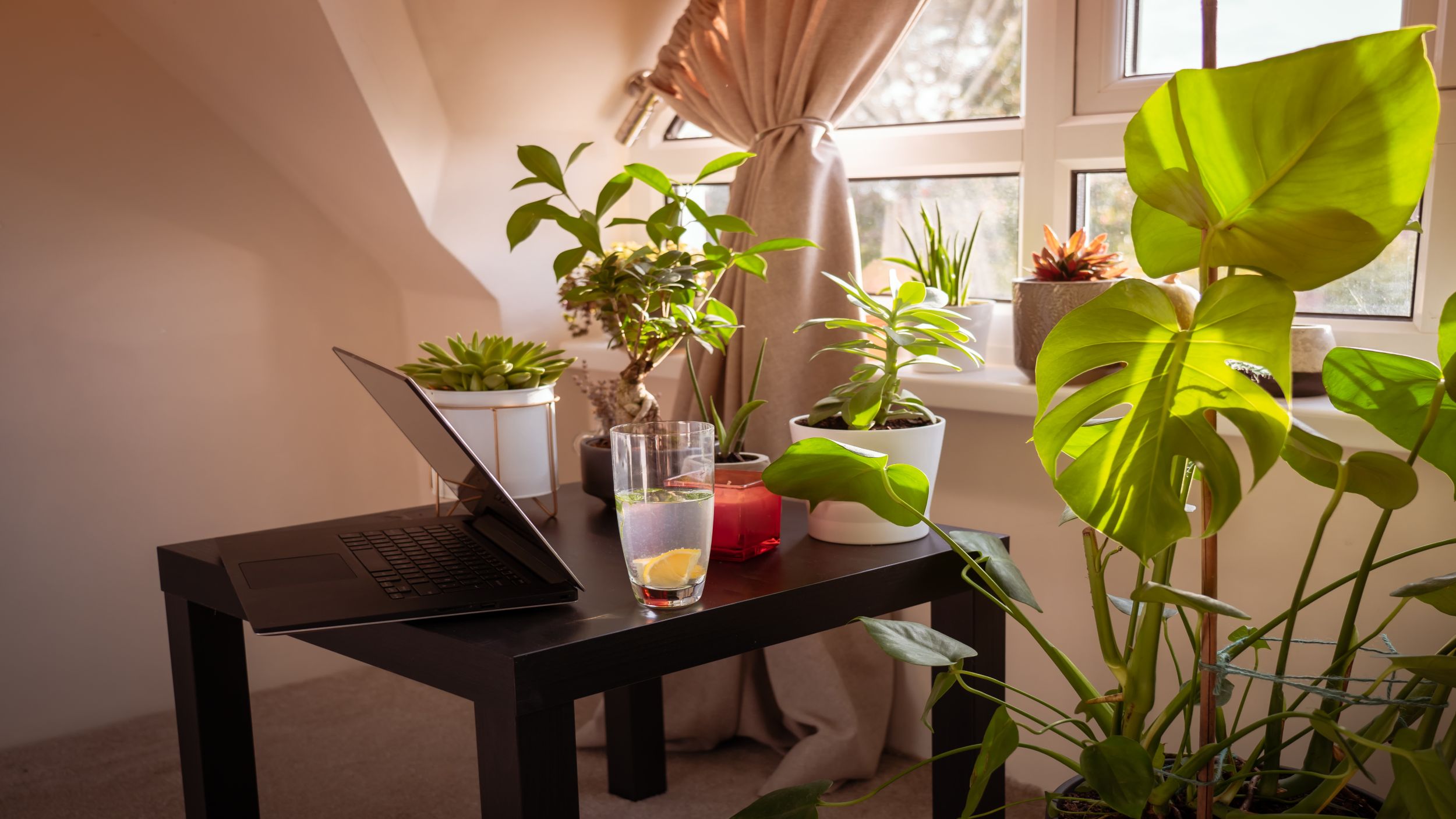
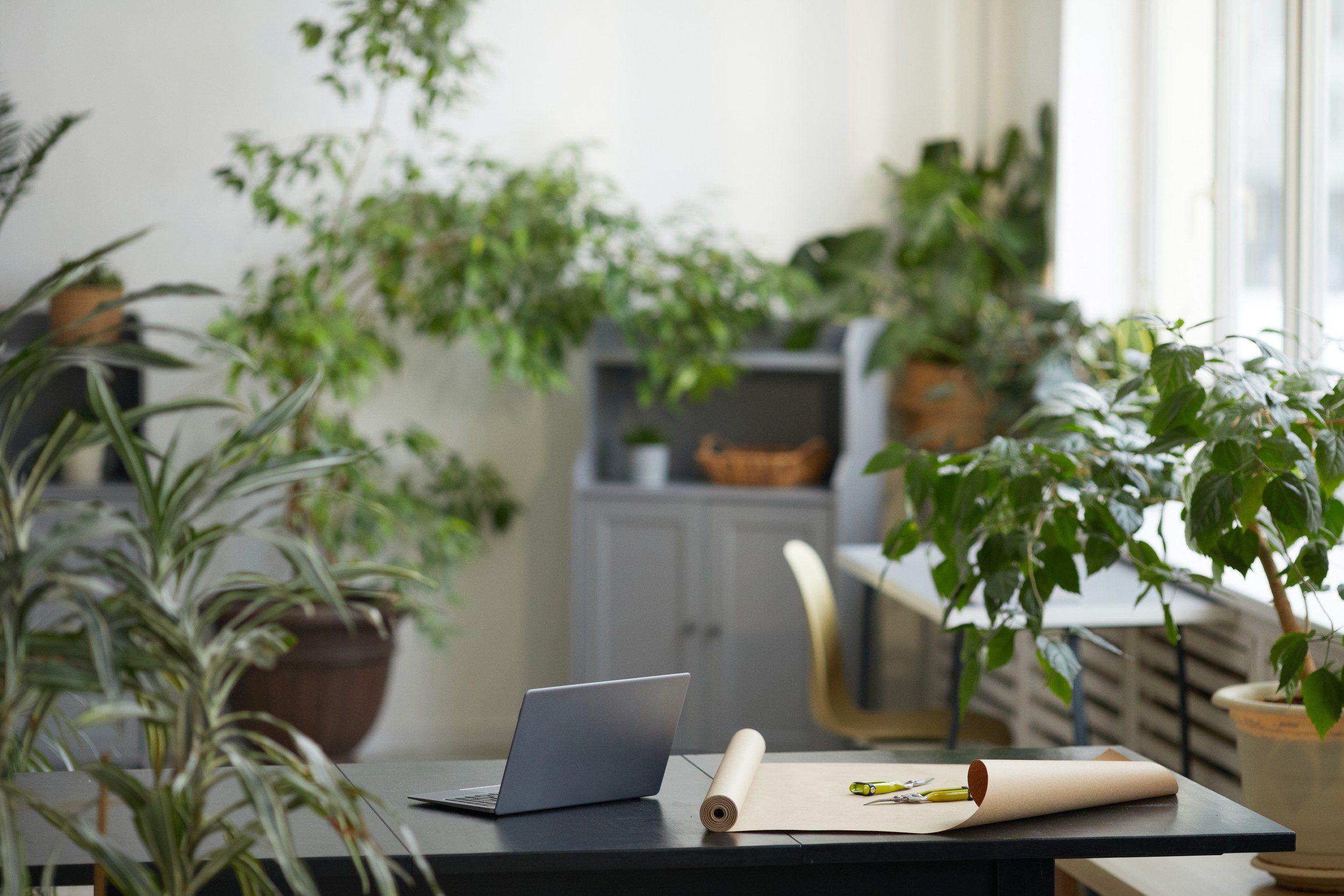
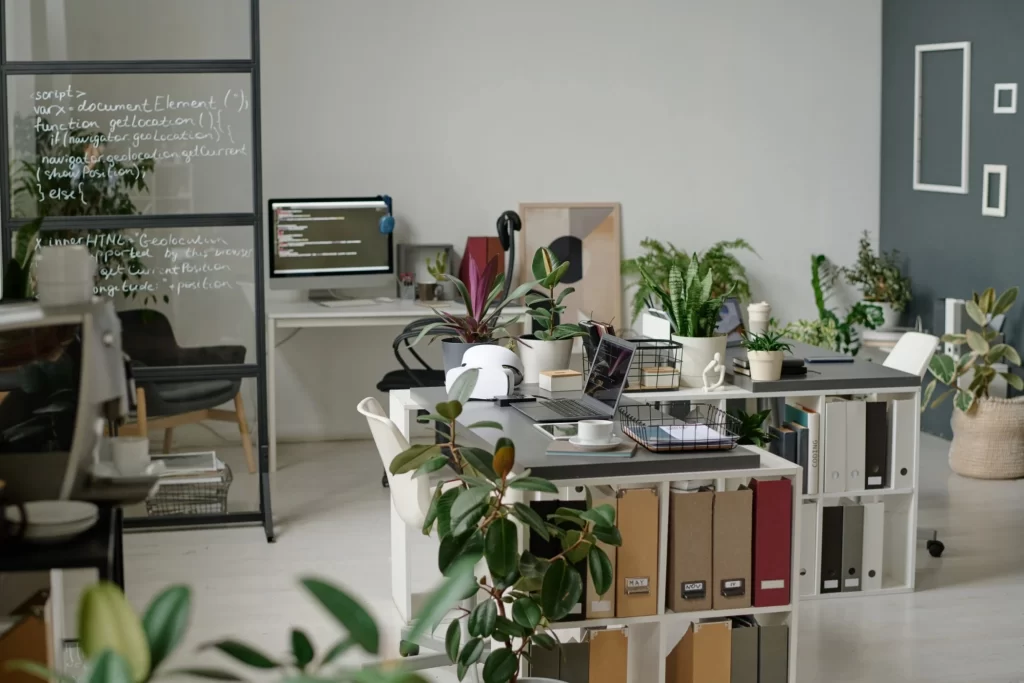
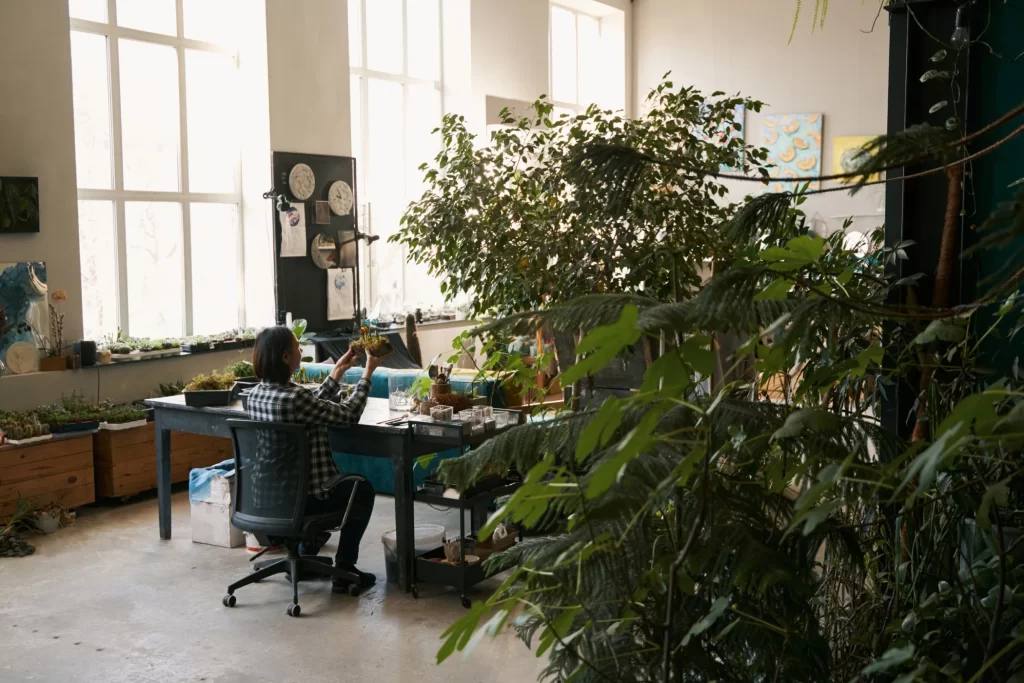
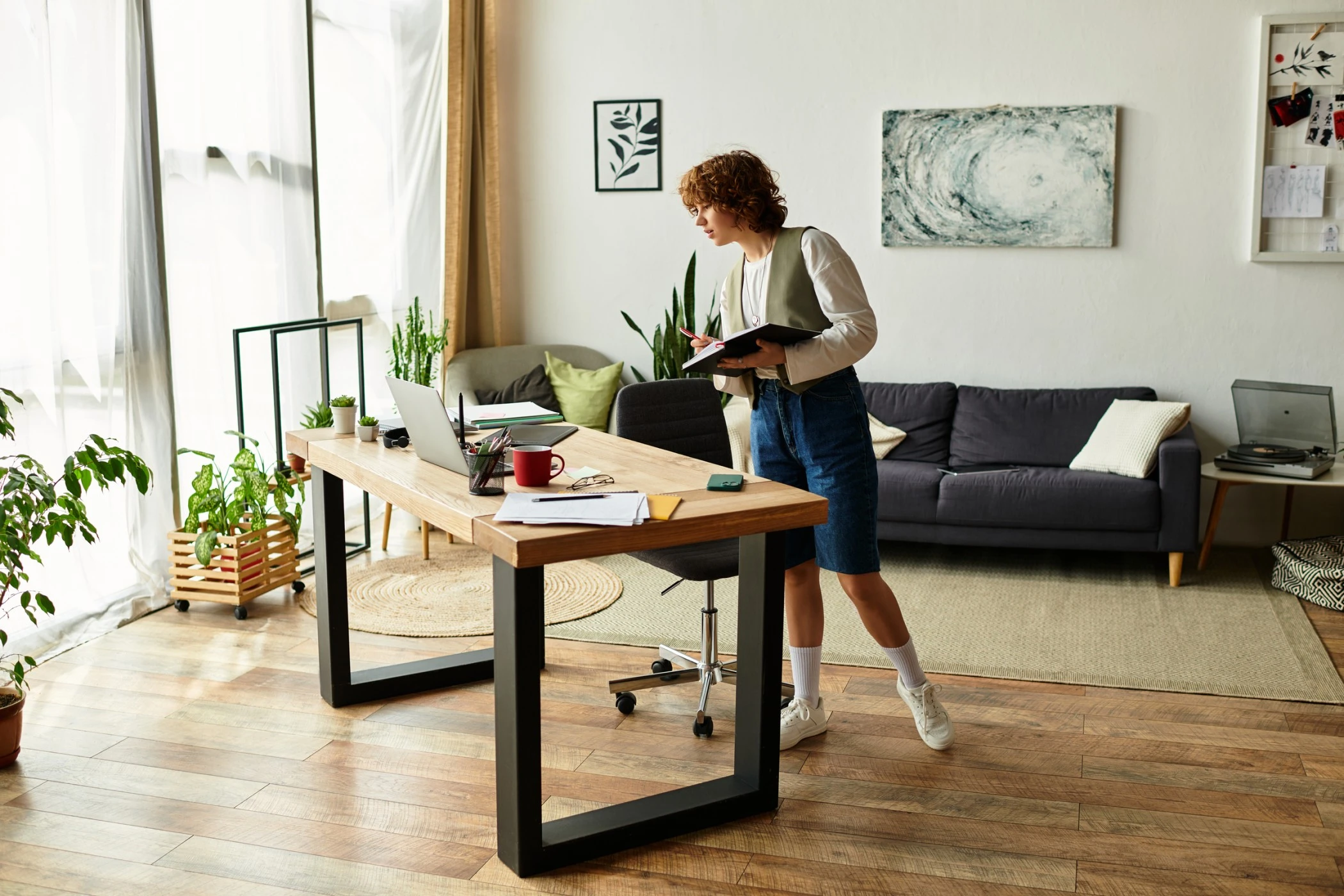
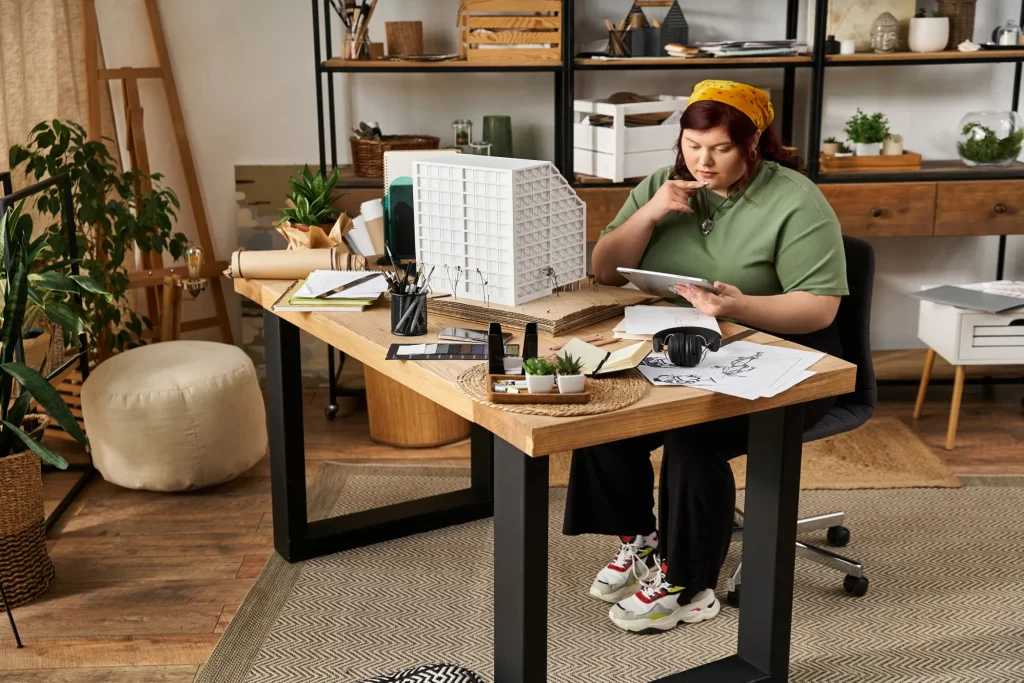
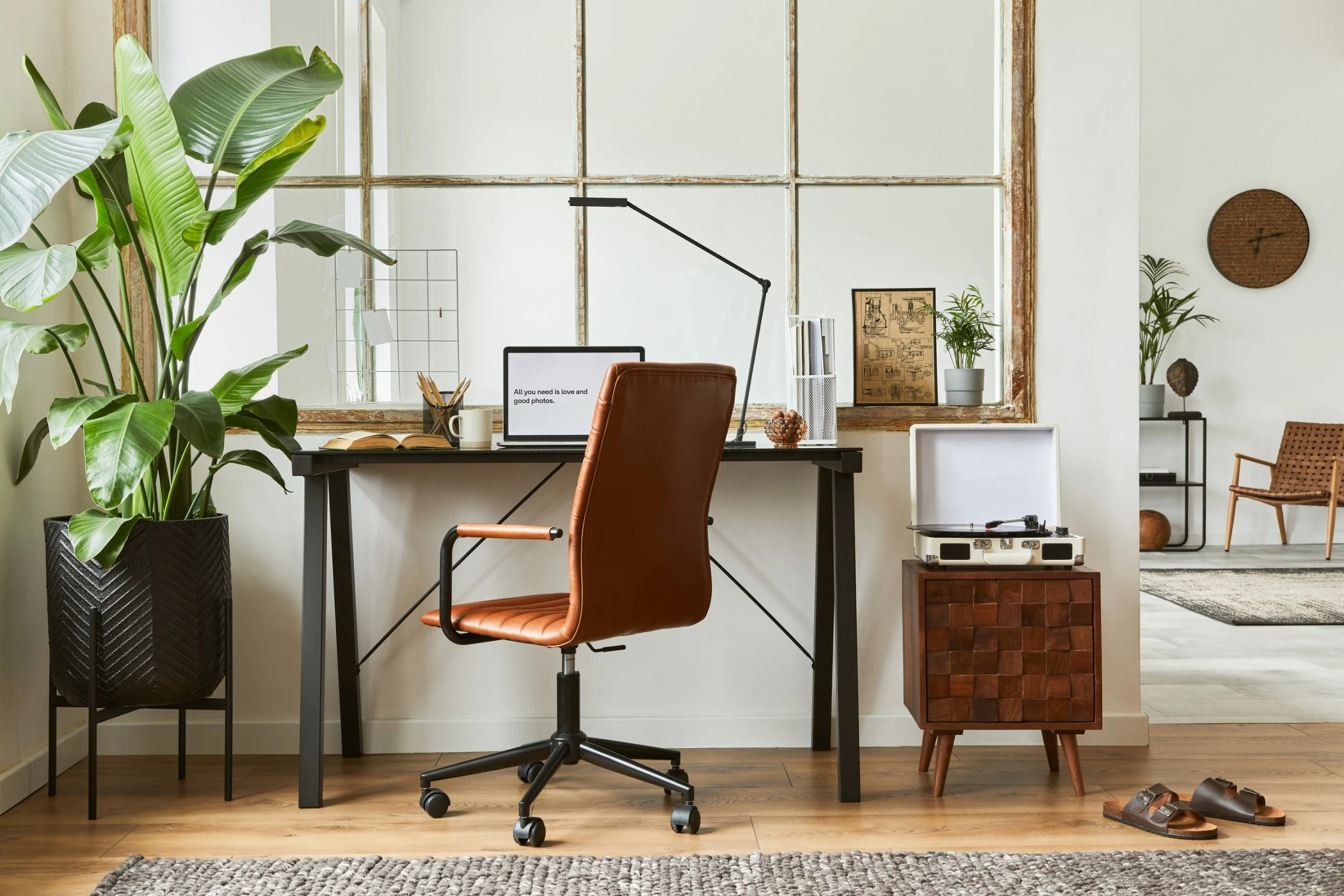
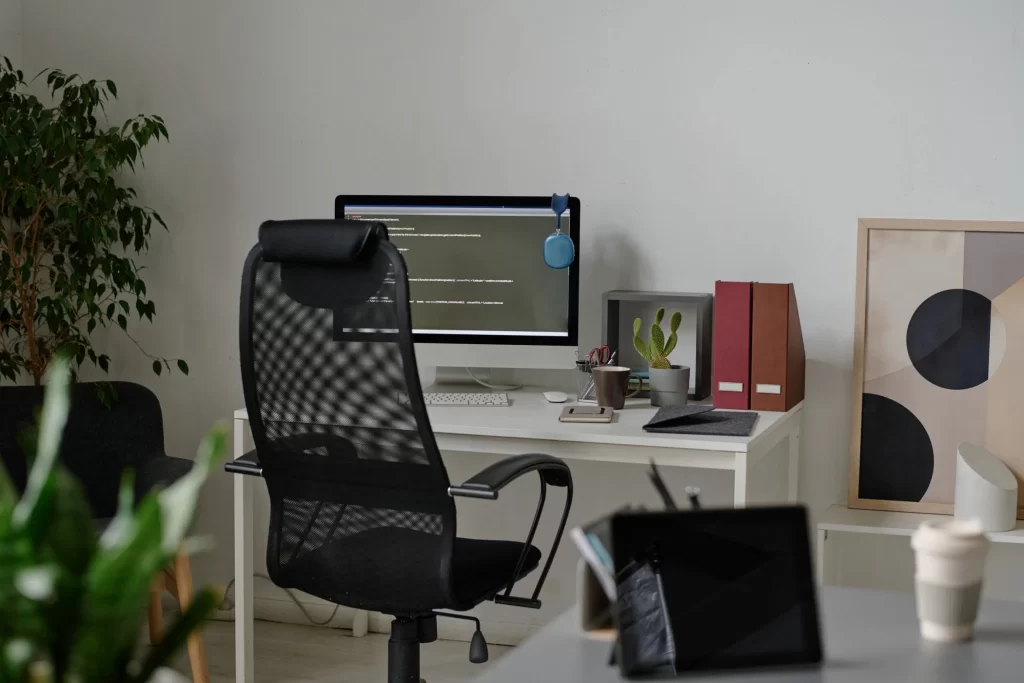
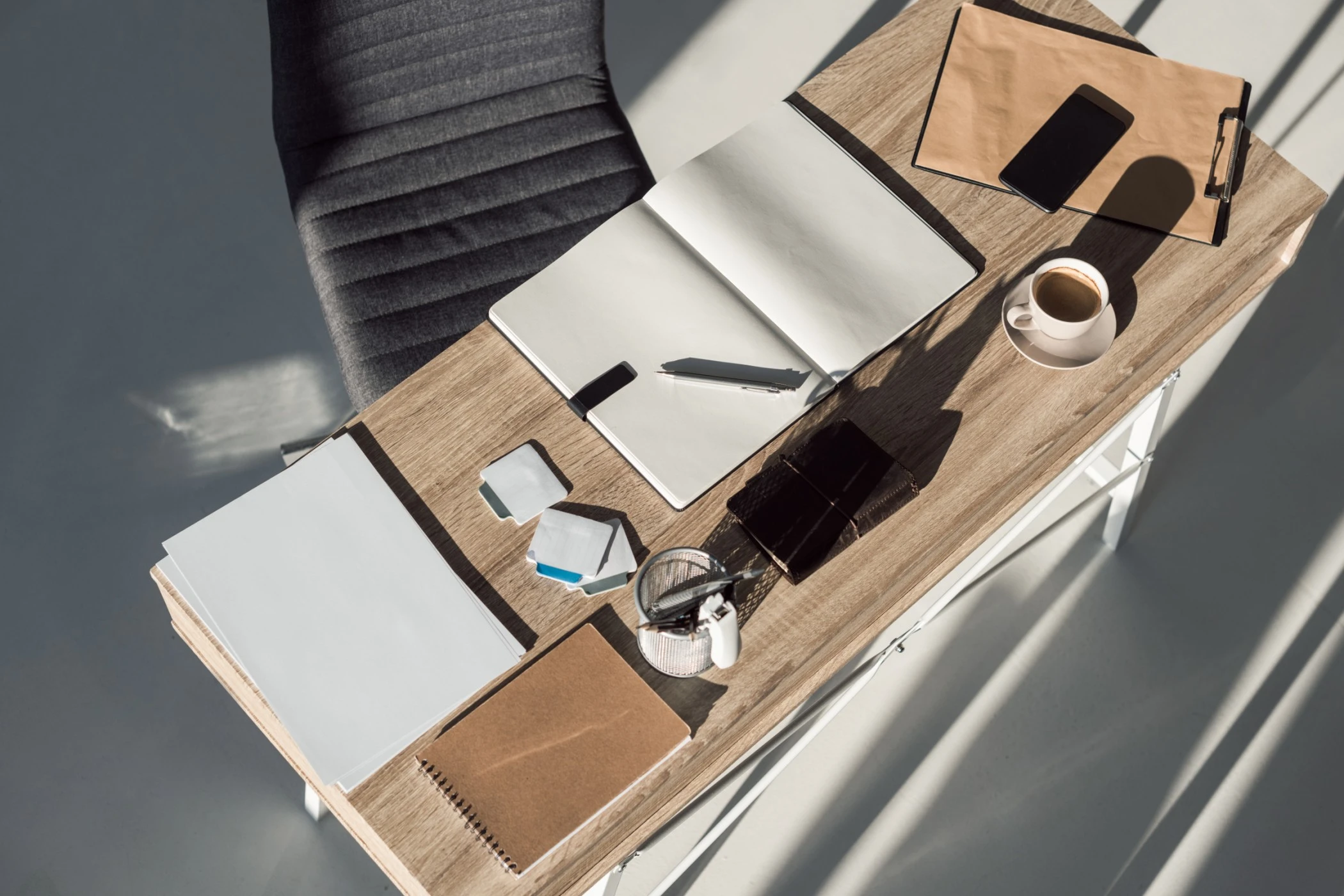
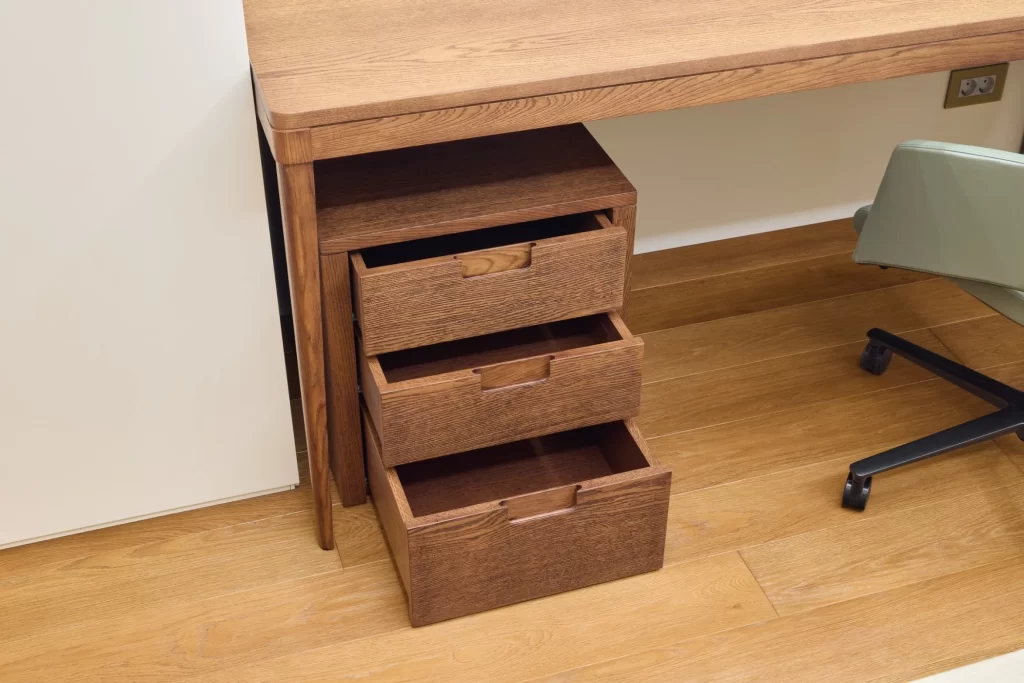
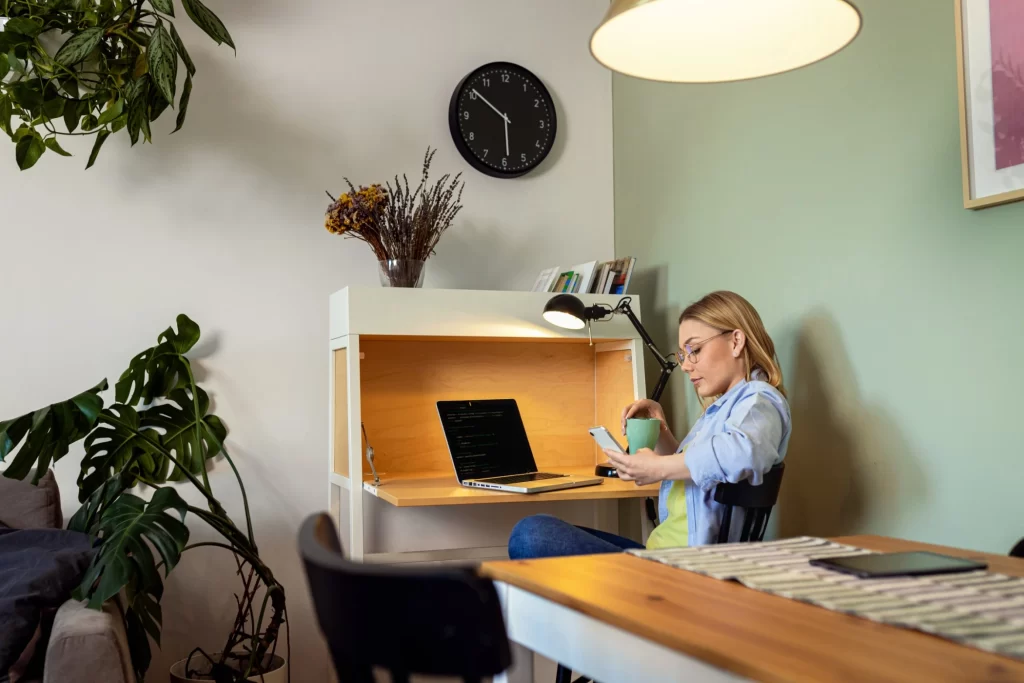
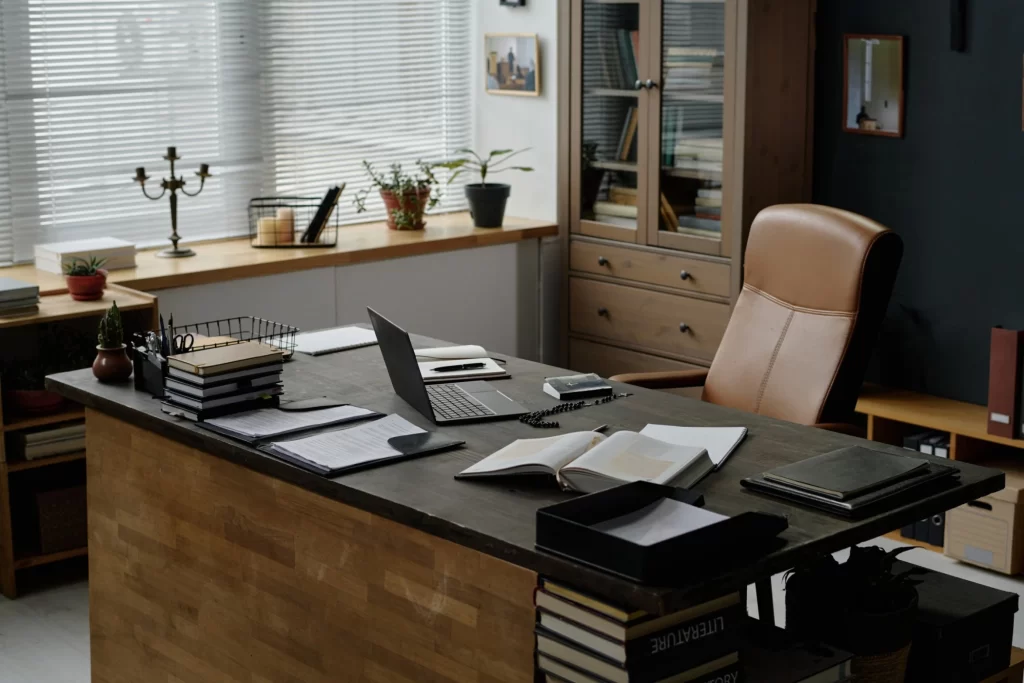
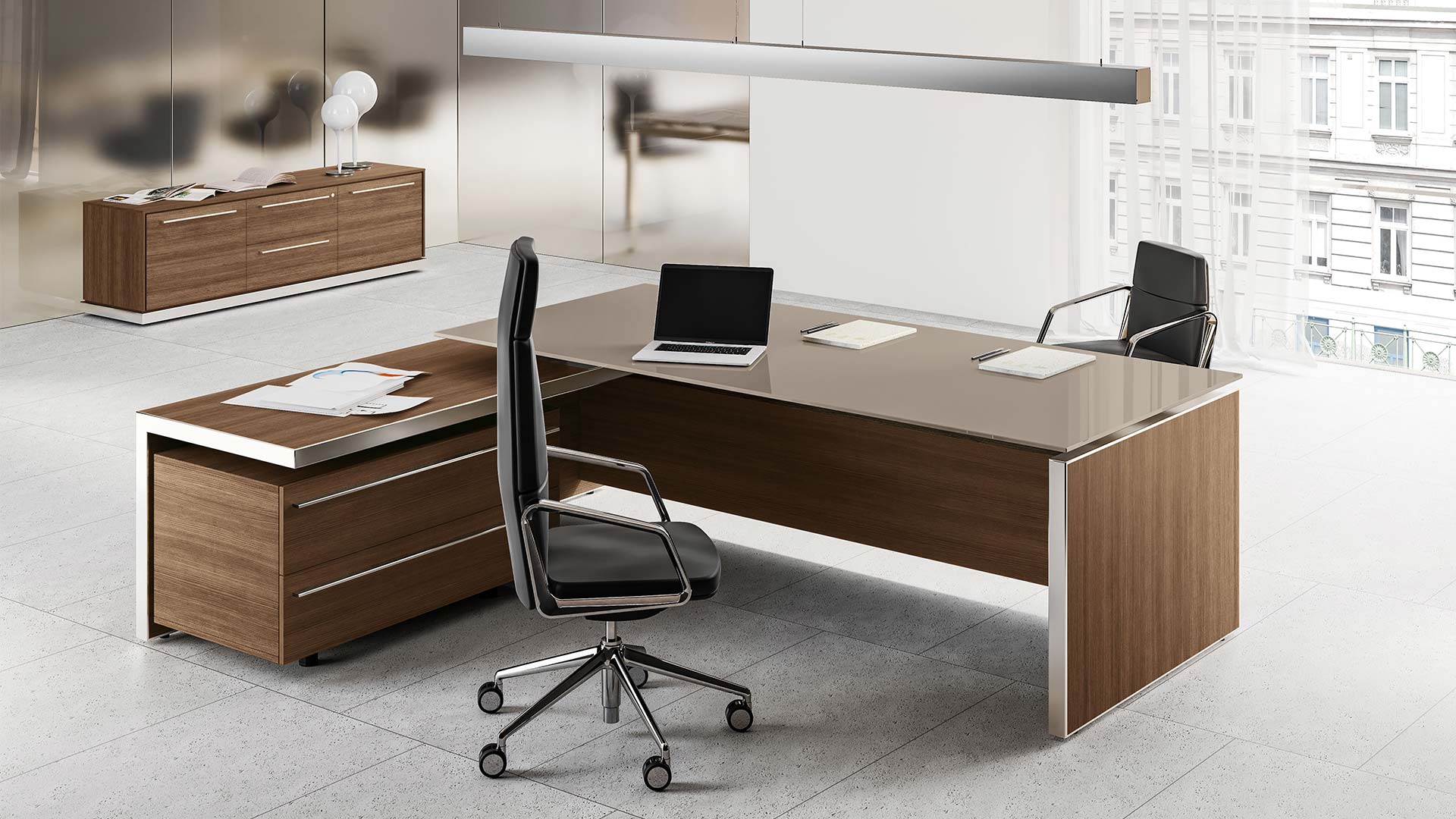
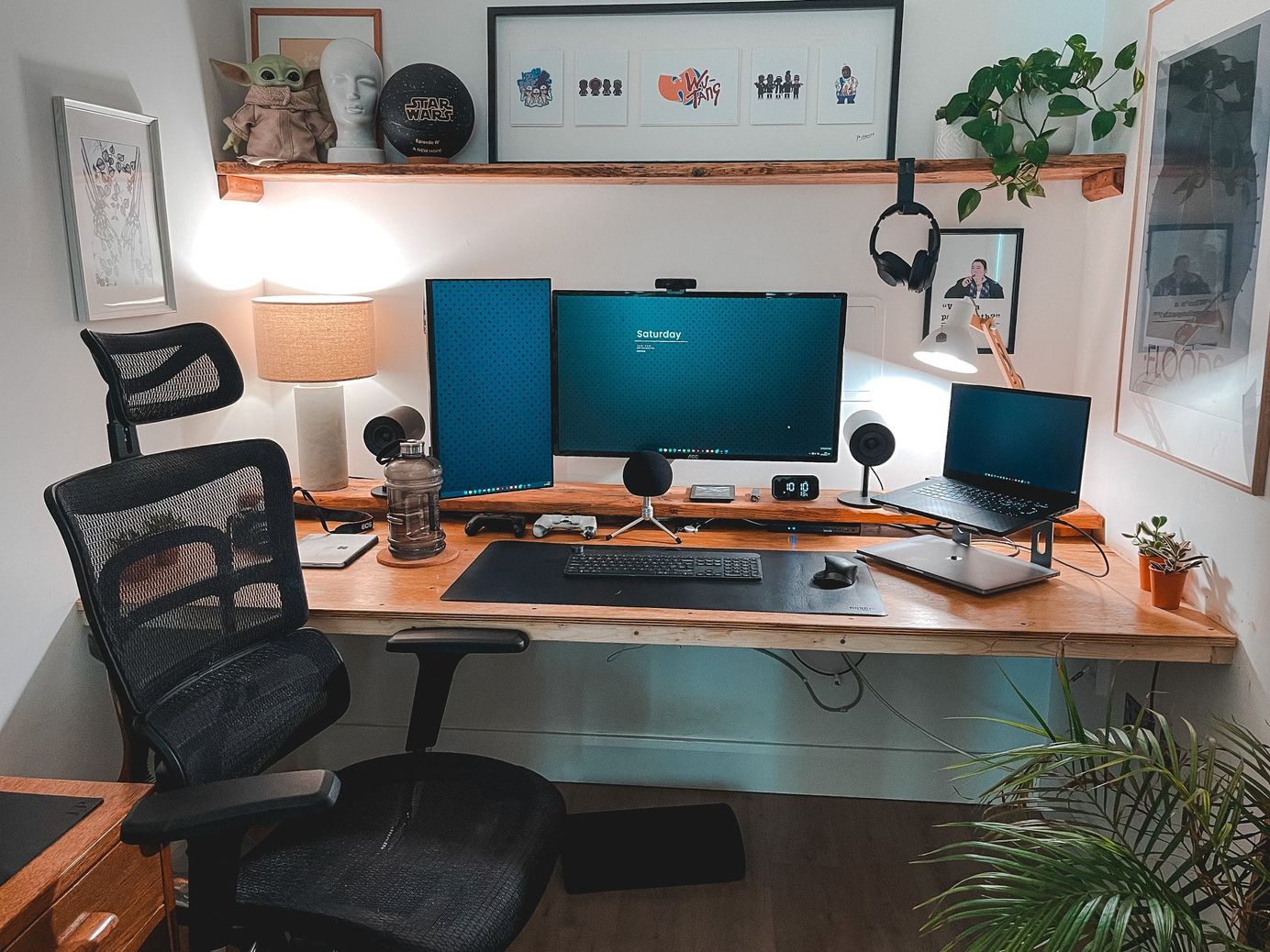
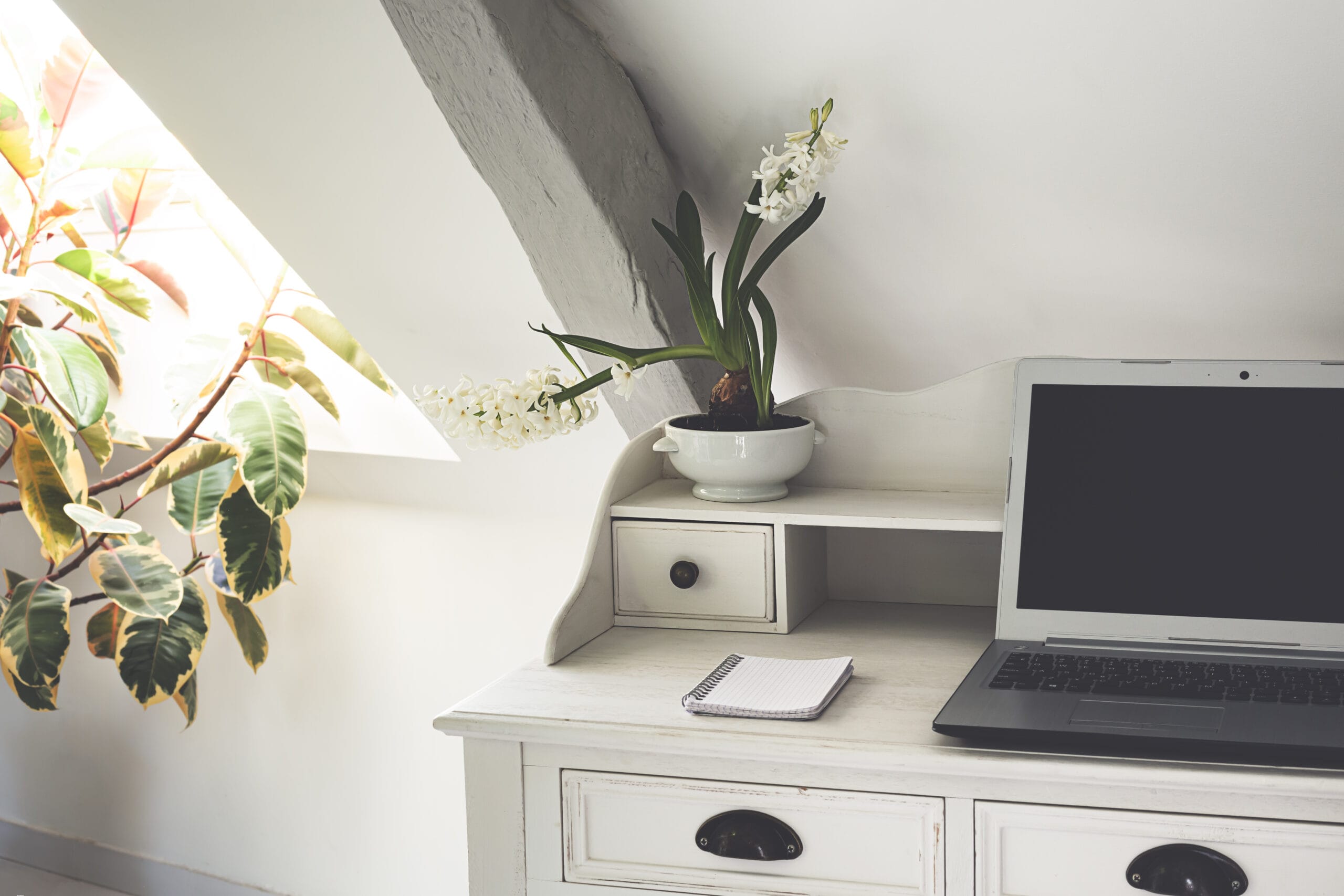
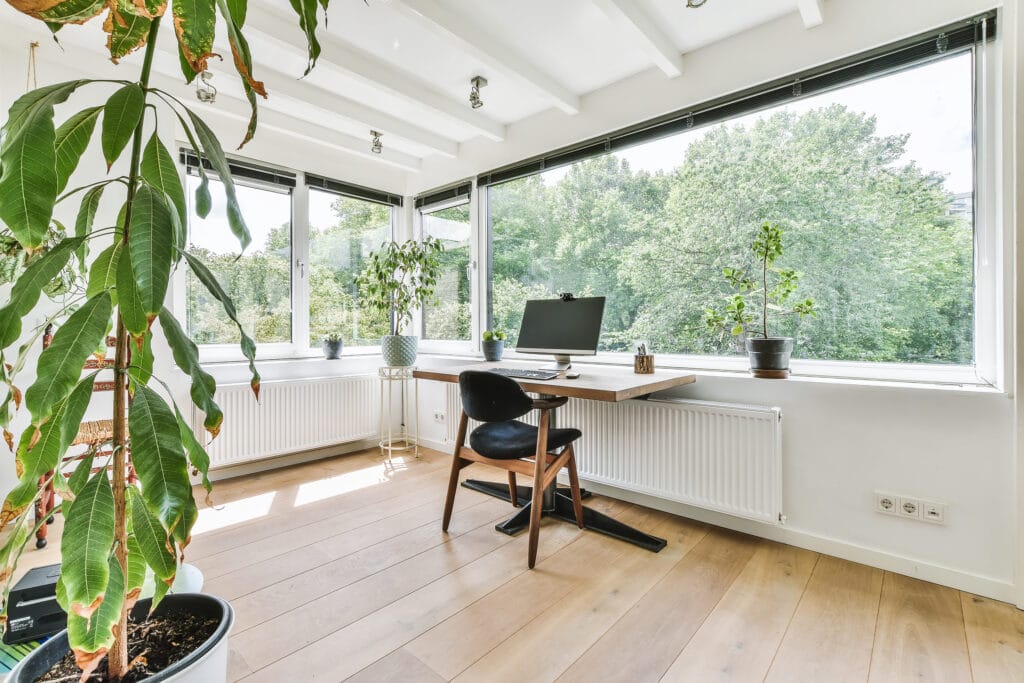
A home office workspace that resonates with your personality and creates a calming and soothing effect on the mind, and productivity is great. To do so, you can invest in some reasonably priced yet incredibly mind-freshening home office plants to boost productivity and focus.
While it may sound basic, adding indoor plants is one of the smartest and healthiest moves you can make for yourself. Plants, greenery, and the natural essence of these living accents bring a sense of comfort, calmness, and life into your room. Indoor plants, of any kind that you may like, will help in enhancing your overall productivity setup and maintain your mind’s focus throughout the day – hopefully!
Why Do You Need Indoor Plants in Your Home Office
Why not? I mean, most of our time is being spent in front of a laptop, 90% screentime with nothing else, nothing natural to soothe or calm the eyes and mind. We highly encourage putting a low-maintenance green plant in your workspace. It really helps. Need more proof? Check what the research says:
Recent research around the same topic confirms the healthy benefits of having greenery or indoor plants in one’s home office. One of the 2025 studies states that plants in indoor environments can positively improve air quality and offer energy-saving perks as well.
Other studies show that adding indoor plants to your workspace can help in reducing stress hormone levels, slow down heart rate, and improve overall mood. And we all desperately need that while working, as work itself can become quite overwhelming for the mind and body.
So, all in all, in a general home office scenario, your productivity setup includes a workstation (laptop/PC), artificial lighting, desk, chair, plus some other accessories. Adding plants helps in creating a productive and light environment where you would want to work and where you can work with a focused mind.
5 Low-Light Indoor Plants for Your Workspace
Did you know that there are hundreds of individual plant species, with each offering 80+ different varieties? Why not consider getting home office plants for yourself?
There are SO many home office plants that exist out there. So choosing some preferable, low-maintenance plants for your home office shouldn’t be a problem.
It is one of the easiest to manage. Snake plants are mostly low-maintenance and work as an air purifier for the place. They are considered ideal for rooms, home workspaces with minimal natural light. While they do the work, add greenery and calm to your work environment, and they don’t need frequent maintenance. Plus, if you don’t want something big, you can always go for a ‘Hahnii’ Dwarf Snake Plant – a cute variant of Snake Plant.
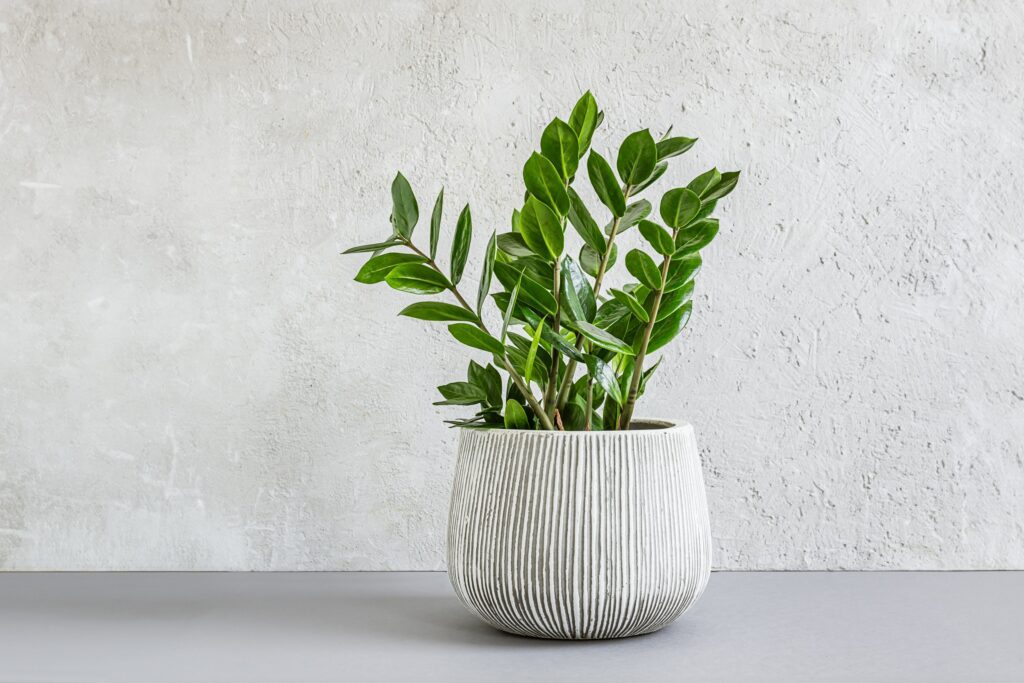
2. ZZ Plant (Zamioculcas zamiifolia)
It’s a tough plant, but with ‘green vibes’ only. It is drought-resilient and doesn’t require much light. So, if you like to work in low light or in a dark room, then this plant can become your new workspace best friend. Fun fact, it is also known as the Zanzibar Gem because it originates from East Africa. The growth is quite low, so you wouldn’t have to worry about it. Moreover, it works as a natural air-purifier, removing airborne toxins such as xylene, toluene, and benzene.
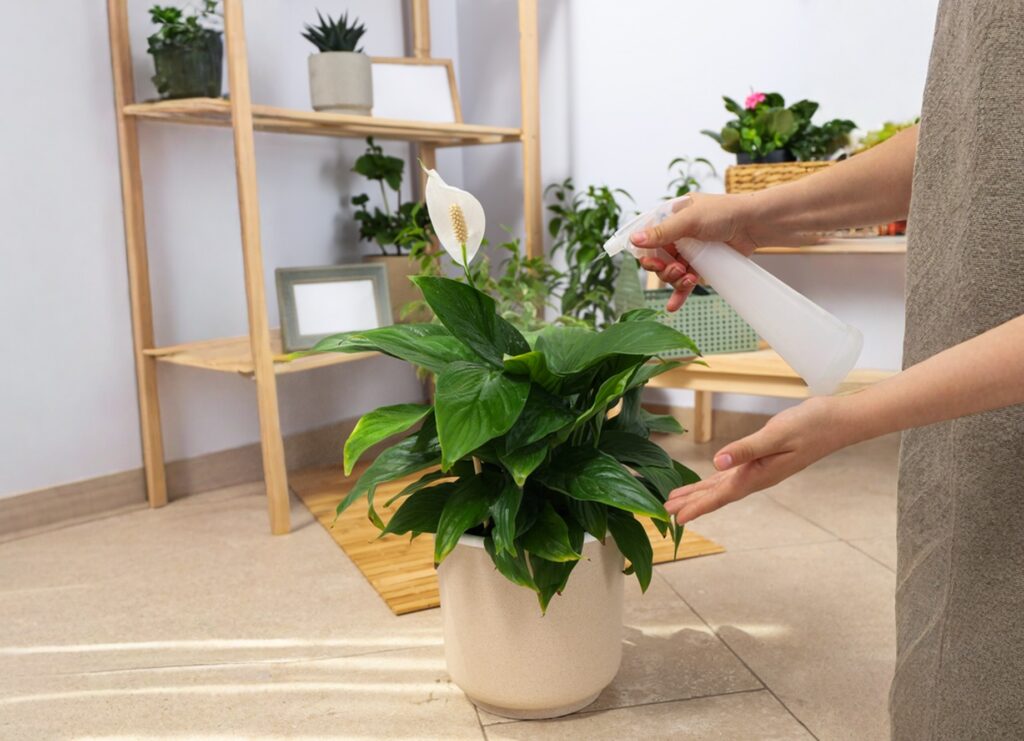
3. Peace Lily (Spathiphyllum)
A white little fairy, we would love to call it. But the actual name is peace lily, a cute little white flower that blossoms between the green petals. In fact, it is a very popular indoor plant and adds some peace to your workspace (amidst all the work chaos, if you know you know LOL). Again, a very low-maintenance plant that works as a natural air-purifier as well. If you want something cute, environmentally friendly, consider a peace lily.
4. Spider Plant (Chlorophytum comosum)
Spider plant (Chlorophytum comosum – the botanical name) is one of the most common indoor plants of all time. Being a not-so-demanding plant, it is very popular among beginners. So, if you don’t want to put too much effort into maintaining a plant, yet need something green and pleasant, then this is your plant. Why is it called a spider plant? Because of its physical appearance and spider-like branches, and stripes. They are very easy to grow indoors in low to medium light throughout the year.
5. Chinese Evergreen (Aglaonema)
Yet another amazing indoor plant for beginners. Chinese evergreen is easy to grow (grows on its own) and doesn’t mind some neglect. But you can always take care of it, you know. It’s considered one of the best foliage plants for cleansing the room air of harmful toxins such as benzene and formaldehyde. Fun fact: According to Chinese traditions, it is considered a good luck plant in China. Consider adding it to your workspace for good luck.
Final Thoughts
In the era of remote work, many of us spend more time in one room than ever before. Your surroundings shape your mindset. By adding indoor plants to your home office, you improve your environment, support your health, and enhance your productivity setup.
Choose low-light-tolerant species, pair them with good ergonomics, and treat your workspace as a habitat for focus, not just a place you sit. Your performance, mood, and well-being will thank you.
Subscribe to What Works Next today and join a community dedicated to transforming the way we work. Working smarter starts here!
Are you one of those who are always on the lookout for how to work from home with high-paying remote jobs and opportunities? If yes, then you are not alone. Most of us are also, especially in this competitive economy, where having a secondary income stream has become a necessity.
When learning how to work from home, the most important lesson is that productivity does not stem from expensive gadgets. It starts from within and the mindset.
Your first home office setup can be as simple as a kitchen table, a laptop, and an old monitor. It is mostly the case with new work-from-home employees. This shows that while a proper work table and accessories can boost comfort, they are not the foundation of a focused mind for work. However, gradual improvements aligned with personal needs make remote work more manageable and healthier in all aspects.
Let’s break down some essentials for a decent home office setup ?
Protecting Devices with Power Bars
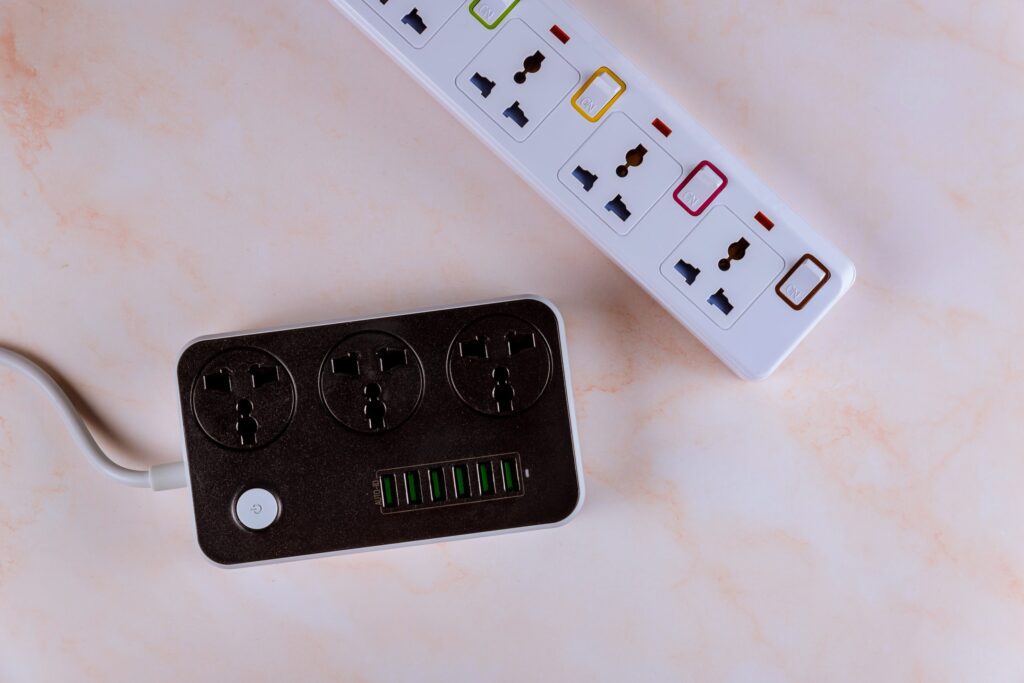
A surge protector power bar is one of the simplest yet most valuable additions to a workspace. Sudden and unannounced power surges can permanently damage laptops, monitors, and routers (this overburdens you with absolutely unnecessary expenses to repurchase the damaged equipment). According to the Insurance Information Institute, power surges cause an estimated $26 billion in damages annually in the U.S. alone.
Choosing a power bar with wide outlets prevents bulky chargers from blocking other sockets, while built-in USB ports make charging phones or headphones more convenient. You can also mount the bar to the wall to keep cables tidy and clutterfree around the work table.
Managing Cables the Right Way
We live in a no-cable era, or let’s call it an era where wireless is preferred. Hence, cable management is not just about keeping the workspace clutterfree. Managing cables can reduce hazards and equipment strain, and can save your money, too.
If you are using cabled equipment, make sure your desk is at standing height. It ensures that cables have enough slack for all positions. If wires are too tight, they can weaken connections or even snap. Elevating the PC tower slightly above the ground also makes a difference. Research shows that dust is the number one cause of desktop overheating, and keeping devices raised reduces dust intake. Other tools, such as cable clips, Velcro ties, and under-desk trays, not only improve organization but also create a professional-looking home office setup.
Comfort Through Ergonomics
Comfort is central to learning how to work from home efficiently. Studies from Cornell University found that improper seating increases musculoskeletal disorders by 64% among office workers. Ergonomic chairs, with adjustable lumbar support and armrests, reduce back pain and improve posture during long sessions.
For those on a budget, models like the IKEA Marcus, Flexispot Chair, or Staples Hiken offer practical alternatives to high-end models and designs. Pairing any chair with a footrest improves blood circulation, while an anti-fatigue mat reduces strain for users of standing desks.
The American Chiropractic Association notes that good posture can increase energy levels by up to 30%, proving ergonomics is an investment in both health and productivity.
Screen Position and Accessories
A poorly positioned monitor can cause neck pain and “tech neck,” which affects 70% of office workers worldwide, according to the British Chiropractic Association. Monitor arms allow screens to be set at the correct height and angle, helping reduce long-term strain.
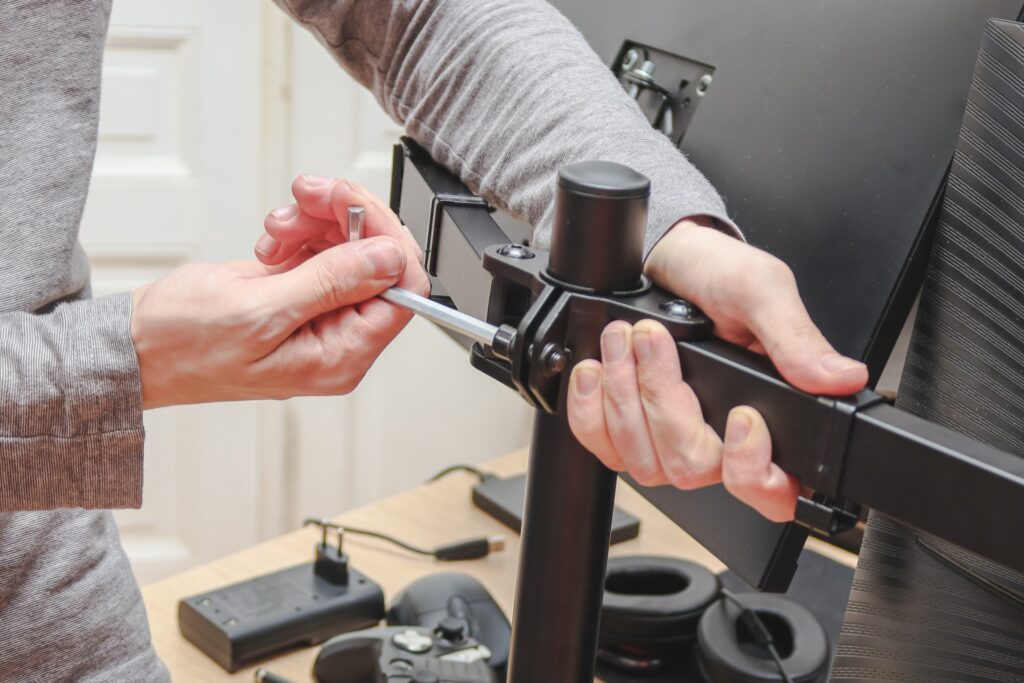
Before investing in a monitor arm, make sure to measure the desk’s thickness to ensure the clamp fits securely. This small detail prevents frustration later on and ensures the workspace is safe and stable.
Correct screen positioning is one of the simplest changes to improve comfort in a home office setup.
Lighting and Eye Comfort
Lighting plays a bigger role than most realize. Let it be natural light or use the right angles if artificial light is available within your workspace. Poor lighting contributes to digital eye strain, affecting 90% of people who use screens for more than three hours daily, according to the American Optometric Association. How can you lessen the effects of this issue? A monitor light bar is an excellent solution, reducing glare and preventing reflections while keeping the workspace bright.
Natural light during the day also has proven benefits. Harvard research shows that workers in naturally lit environments report 51% less eyestrain and 63% fewer headaches. Combining natural light with smart desk lighting creates a healthier, more energizing atmosphere at the work table.
Air Quality in the Workspace
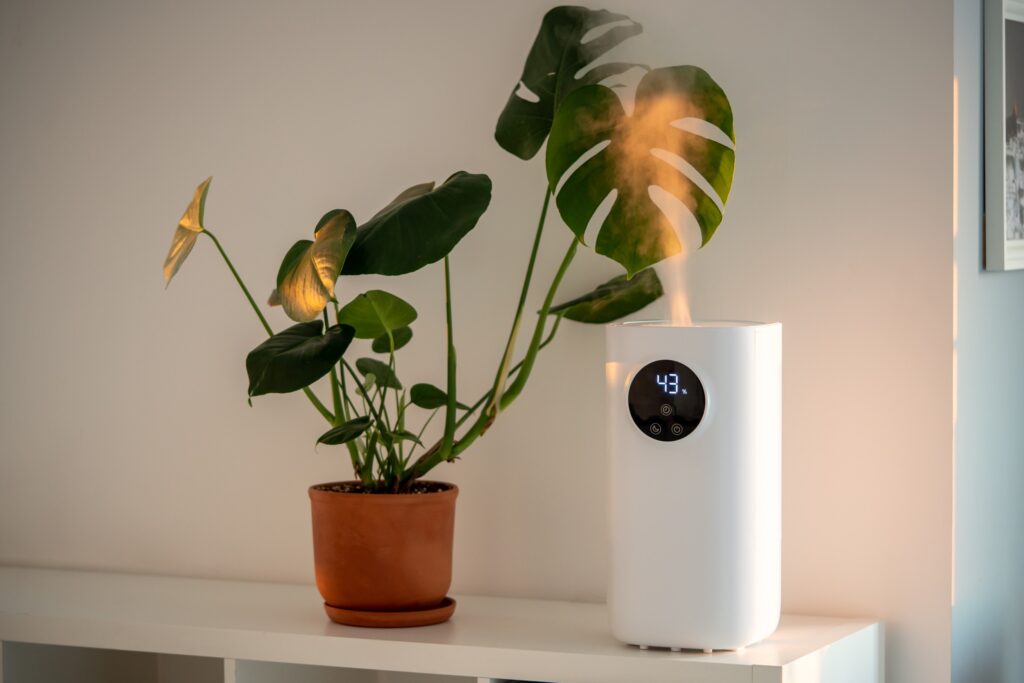
Air quality directly impacts productivity. The World Green Building Council reports that improved indoor air quality can boost productivity by 8-11%. For closed rooms or spaces with pets, an air purifier keeps dust and allergens under control while protecting devices from buildup. A humidifier can also help in cleansing the indoors by adding moisture to the air, increasing the humidity level to relieve problems caused by dryness, such as dry skin, irritated eyes, and respiratory issues.
NASA’s Clean Air Study also revealed that common indoor plants like peace lilies and snake plants can remove up to 87% of toxins in just 24 hours. Adding indoor plants adds freshness and personality, making the home office setup both healthier and more inviting.
Switching to a Better Setup
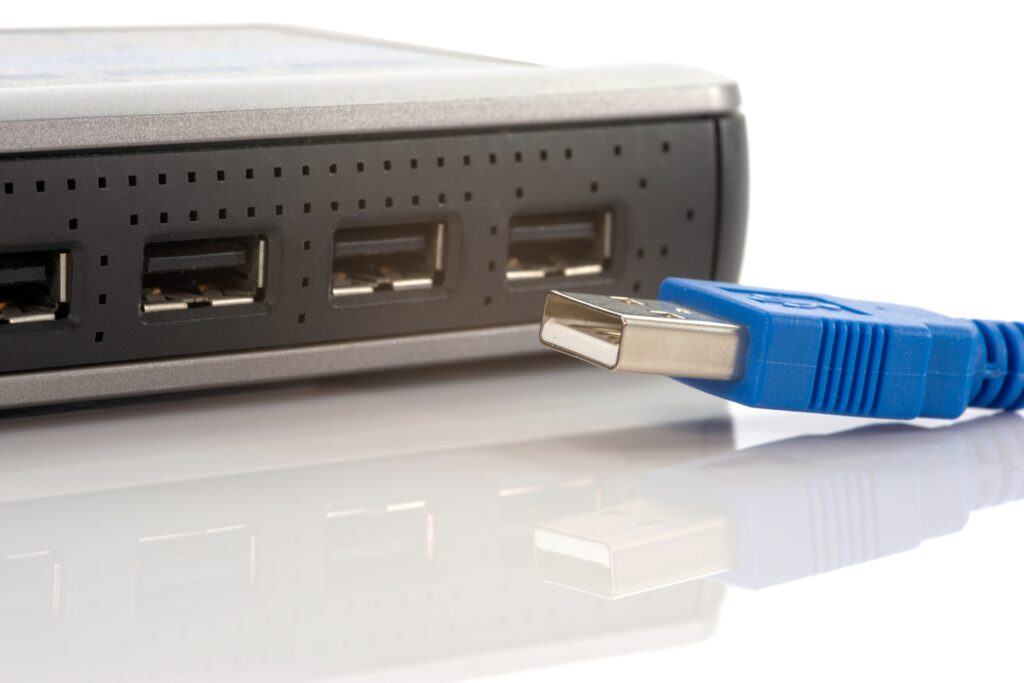
Constant switching between a work laptop and a personal one can become frustrating. However, having a USB switch allows easy sharing of peripherals like keyboards, mouse, and external hard drives. For a more advanced solution, a KVM switch (keyboard, video, and mouse) can also be used. It enables both device and display switching with just one button.
These tools streamline workflows and can save time efficiently. Gartner research indicates that knowledge workers lose 20-30% of productivity due to inefficient processes, and a messy dual setup is one of those avoidable inefficiencies.
Not to Forget the Analog Tools
In an age of digital apps, pen and paper still hold surprising value. Research from Princeton and UCLA found that students who took notes by hand retained concepts 25-40% better than those who typed. For brainstorming, quick reminders, or sketches, analog tools reduce mental friction and prevent distraction from app-switching.
Keeping a personal notebook on the work table creates balance between digital demands and creative freedom, a habit that can boost focus during long stretches of remote work.
A Personal Touch
Doesn’t matter if you are working from home or remotely from any other place in the world. Workspaces should feel motivating, not sterile. Adding greenery (indoor plants that resonate with your personality and liking), personal photos, or small decorative items transforms a dull space into an energetic one that encourages creativity and reduces stress. A study in the Journal of Environmental Psychology showed that office plants improved concentration by 15% among workers.
Personalizing the workspace also makes work feel less transactional and more fulfilling. Whether it’s your favorite quote, a coffee mug, or a framed picture of loved ones, these touches make the home office setup truly your own.
Final Thoughts
The real secret behind how to work from home is not about expensive upgrades or fancy gadgets. It’s more about creating an intentional, functional space that supports health, focus and productivity. Each improvement from surge protectors and ergonomic chairs to lighting and indoor plants (greenery) adds layers of comfort and focus.
The perfect home office setup is the one that evolves with personal needs. It could be different for everyone, as per their personal liking and choices. A thoughtfully arranged work table, good air quality, proper posture, and smart tools and accessories all contribute to making remote work less of a challenge and more of an opportunity to thrive.
Subscribe to What Works Next today and join a community dedicated to transforming the way we work. Working smarter starts here!
Did you know spending at least two hours a week in nature can have a profoundly positive impact on both your physical and mental health?
While not all can go out that frequently, having office decor ideas can help. If you can’t go out in nature, bring it inside your workspace!
Meh, I already have my workspace set up. Doing an office lighting overhaul or adding office plants can’t do much is something we often hear. Unfortunately, office decor ideas are often underestimated by most, and yet they can completely transform the way we feel and work in a given space.
We can vouch for it because we have tried it. Have you ever walked into a workspace and felt instantly calm, relaxed, or even energized? Somewhat like how you feel when you see mountains, valleys, and streams? That very reaction mostly comes from subtle elements we often tend to ignore, like lighting and plants. Curiously, these two simple elements can enhance good mood, boost creativity, and improve productivity.
Let’s explore how to make your office feel less like a dull cubicle and more like a dynamic, motivating place.
Why Office Decor Matters?
Most of us, whether working from home or the office, spend most of our time in that workspace. And if our surroundings and overall ambiance feel sterile and uninspiring, our work can suffer. It’s not just us! Many individuals on Reddit, Quora, and other online communities share how dull workspaces make them feel drained by midday. It happens even to the most active and energetic employees.
Without the right office decor ideas, even the best desks or ergonomic chairs can feel lifeless or like a cage. To make our workspace a little less burdened, we need surroundings that balance functionality with warmth. And if you are working from home, you can leverage it like a pro.
Incorporating office lighting and indoor plants is an affordable way to create that balance within your workspace. You do not need to do a full-scale renovation or put expensive furniture. Yet, the impact they deliver is surprisingly impactful – in a good way. A calm glow from a standing lamp next to your workstation or the greenery of a small fern can refresh the whole vibe.
The Power of Indoor Office Lights
As part of office decor ideas, it is important to understand why lighting matters.
While we all have our preferences for working in a dark or light environment. We are here to shed light on the power of indoor office lights. Good lighting can make or break the whole feel of the workspace. It literally changes your mood.
Tip – if you are already feeling low and gloomy, do not work in a dark room with dim lights, as it will make you feel even lower and less energetic. Keep your mind and ambiance lit with lights.
Harsh fluorescent bulbs, or neon lights, often cause headaches and fatigue. On the other hand, natural light has been shown to improve mood and focus. But what if we do not have big windows or sunny skies every day?
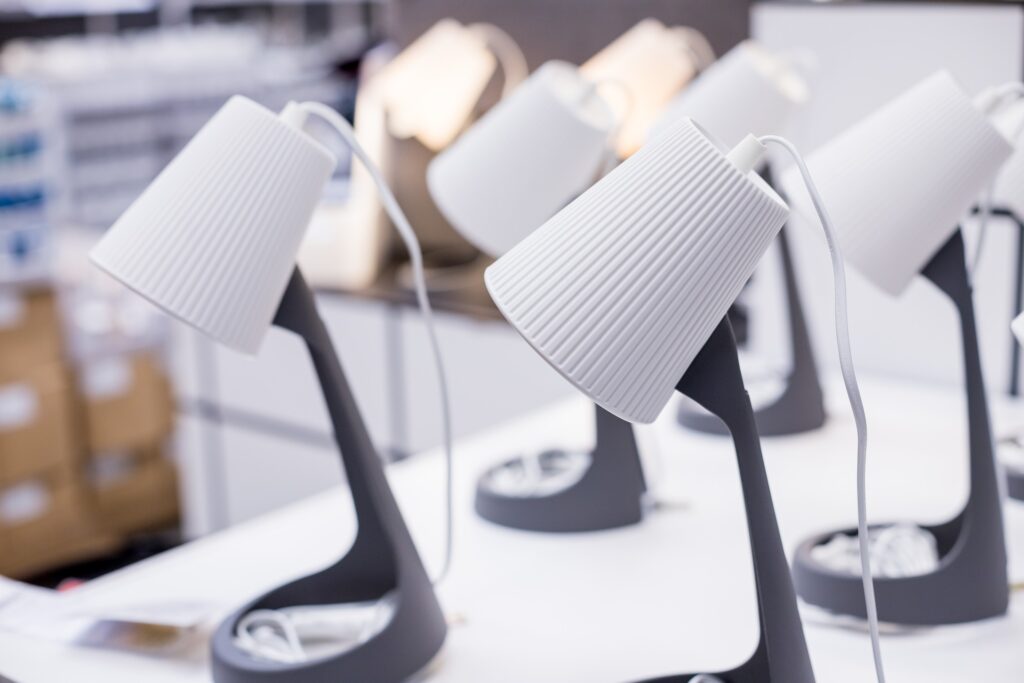
That is where intentional office lighting comes in. Warm-toned LED desk lamps, side-table lamps, standing lamps, and even wall lights can create a cozy, light, and productive environment. Many online communities discuss how workers replace overhead fluorescents with softer alternatives to reduce strain.
Sometimes, swapping just one bulb for a daylight-spectrum lamp can improve your concentration dramatically. Try?
So, investing in smart lighting for your home workstation or office setup is not only about aesthetics. It is about peace of mind, comfort, health, and performance. When the lighting feels good and easy on the body and mind, working longer hours does not feel as draining.
Indoor Lights Options for Every Space
When considering office lighting, the possibilities are endless. But by concentrating on a few trustworthy choices, you can simplify the process. Select that resonates with your setup and energies.
1. LED Desk Lamps
You must have heard of these already. These are energy-efficient, adjustable, and easy to position lamps that can add a little mood to your workspace. You can find different models that offer dimming features and color temperature controls to match your needs.
2. Floor Lamps
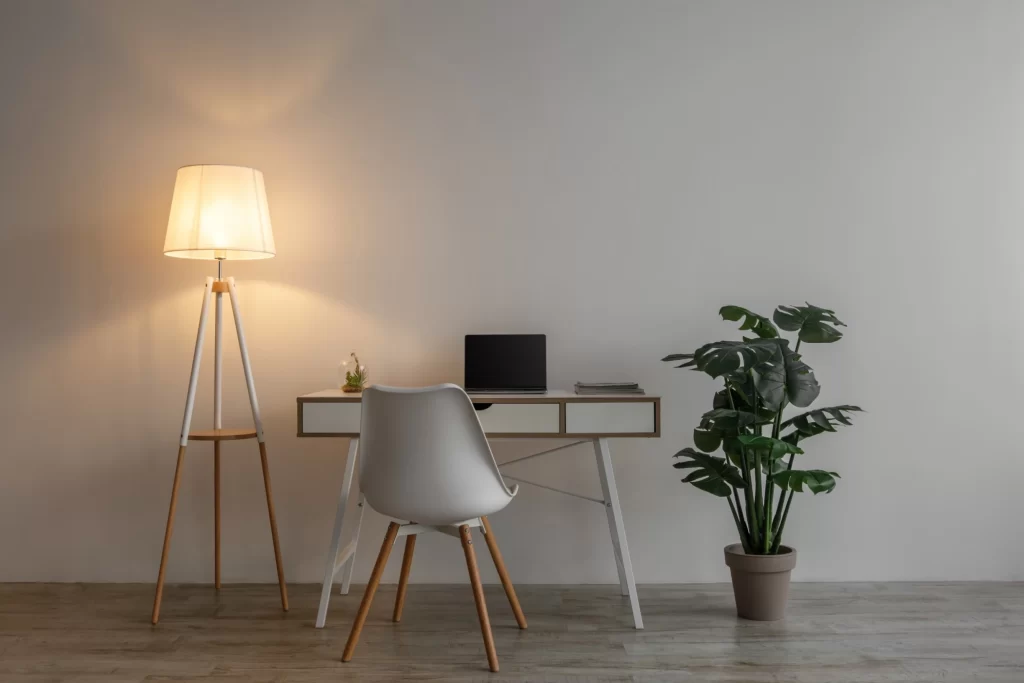
If you don’t want your workdesk to be cluttered with extra stuff, then consider having a standing floor lamp. Tall standing lamps spread soft, even light, and they are perfect for corners that feel dark or uninviting.
3. Pendant Lights
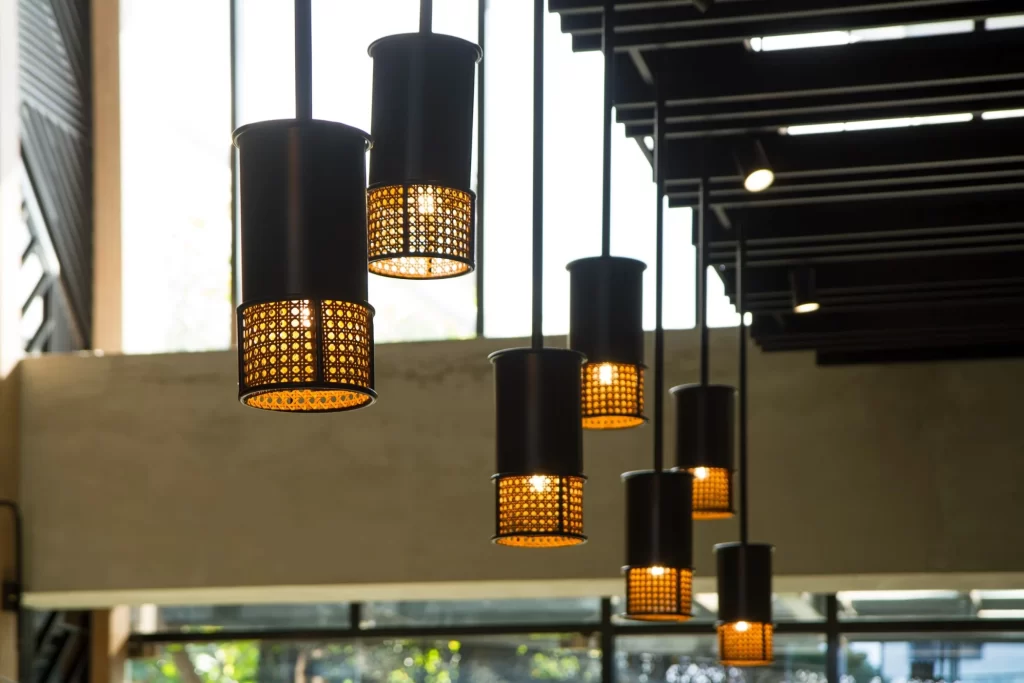
You don’t have to invest in chandeliers. Hanging pendant lamps can come in handy! They create stylish focal points and are especially useful for shared office spaces or conference rooms.
4. Smart Lighting Systems
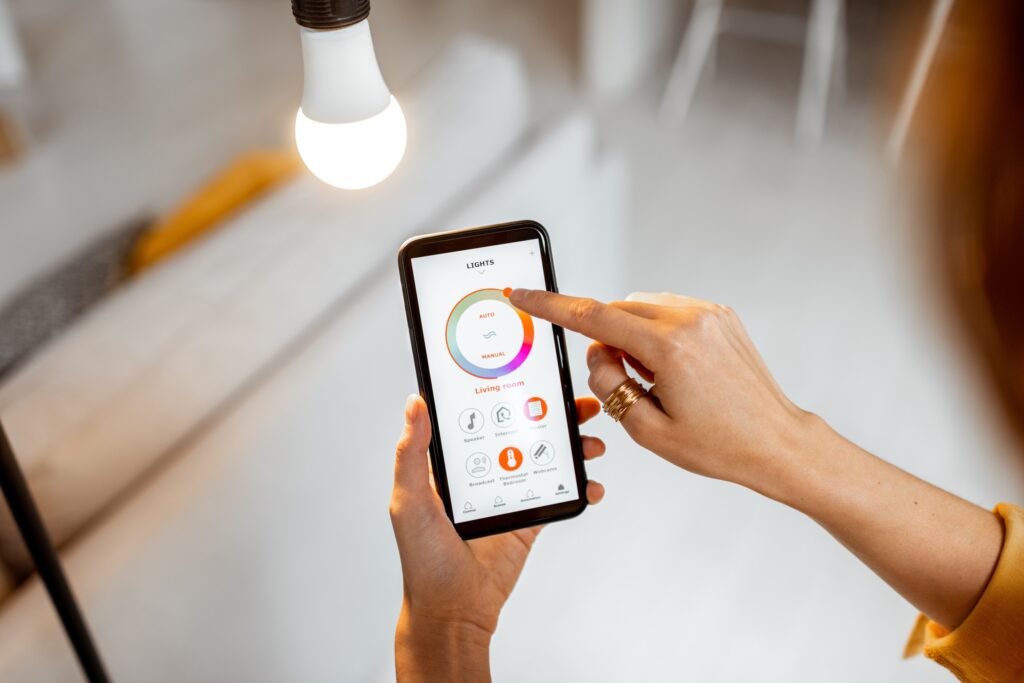
We are living in an era of “everything smart”. Smart bulbs or strips let you control brightness and color with an app. Many remote or office workers love using them to mimic daylight and reduce fatigue.
5. Clip-On Lamps
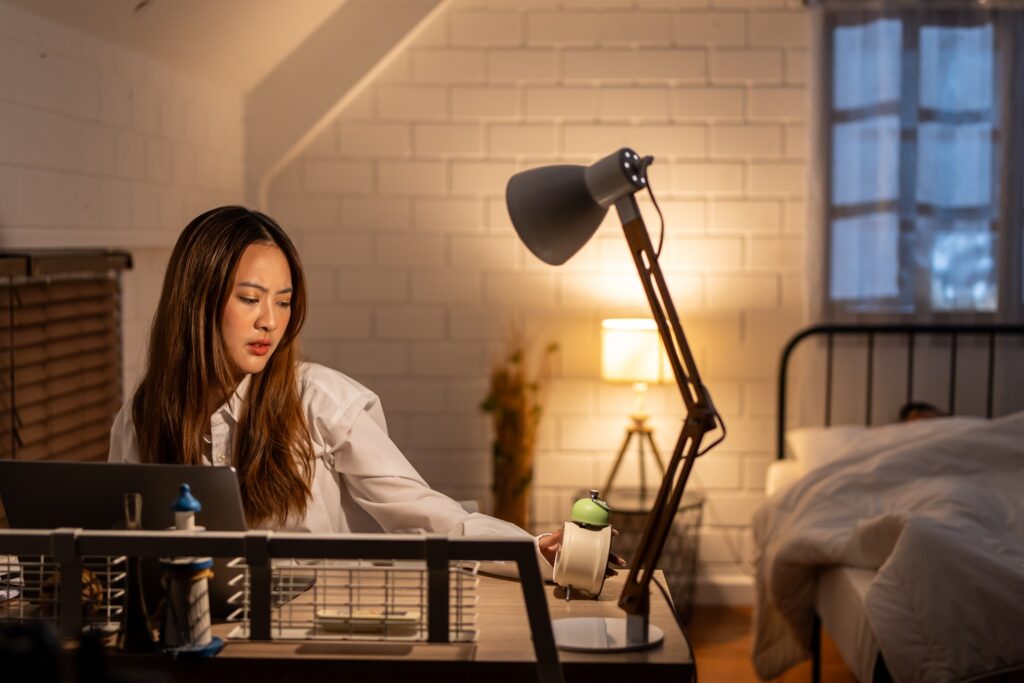
A small, portable lamp type that can add a big impact. Clip-on lamps are Ideal for small desks. These flexible options provide direct task lighting without taking up valuable workspace.
Choosing the right indoor lights is not only about style. It should be focused on how they can help in improving focus, energy, and mood during your workday.
The Power of Indoor Office Plants
Having natural plants at your workstation can bring a range of benefits, from lower stress levels and better moods to improved focus and higher productivity.
Plants aren’t just for decoration. Indoor natural plants actively improve how we feel, and on top of that, they help us perform better at work. Studies reveal that greenery lowers stress, boosts focus, and even reduces noise levels in open offices. One often-cited research study from the University of Exeter showed a 15% productivity increase when plants were added to workplaces.
Unlike lighting, which shapes mood through visual comfort, plants influence us through nature’s calming presence. A glance at green leaves can reduce eye fatigue caused by constant screen use. Adding a small plant to your workplace can change your mood during long workdays, take it as a “simple fix that feels like magic.”
Plants in the office can also boost air quality by removing toxins and adding humidity. This makes breathing easier, especially in spaces with recycled air. When paired with thoughtful office decor, plants become crucial for both mental and physical well-being, rather than just decorative accents.
Indoor Plants Options to Freshen Up Your Workstation
As we have emphasized above, greenery is one of the simplest office decor ideas that delivers instant results. The right indoor plant can brighten up a dull corner, freshen up your mood, and reduce stress levels.
1. Snake Plant
Relax! Not that kinda snake. It’s a low-maintenance and air-purifying plant that thrives in almost any environment.
2. Pothos
Known for its trailing vines, pothos looks amazing in hanging baskets or on shelves. It can complement your wall lamps, too.
3. ZZ Plant
This glossy green plant handles neglect well (doesn’t mean you have to neglect it). It’s a pretty low-maintenance plant and is perfect for busy professionals.
4. Peace Lily
Meet the infamous peace lily, an indoor houseplant. It’s a great choice for improving air quality and a refreshing sight to the eyes. It has white blooms that also add elegance.
5. Succulents
Drought-resistant plants. If they can resist drought, then they can blend well in a work environment as well (if you know, you know). They are cute, small, and stylish. Succulents are perfect for desks with limited space.
6. Spider Plant
No, they don’t attract spiders! It’s just the same because of its texture and physical look. Hardy and very easy to grow, spider plants work well in small pots or hanging baskets.
By combining large and small office plants, you can add variety to your workspace without overcrowding. These options not only boost your space’s appearance but also bring health benefits to your daily work. Plus, they are pretty low-maintenance too.
Final Thoughts
Office decor ideas go beyond style. They influence how we feel, think, and work every day. The right office lighting eases strain, sharpens focus, and creates a productive atmosphere. Indoor office plants bring calm, freshen the air, and add a touch of nature that helps us feel grounded, even during the busiest hours.
Subscribe to What Works Next today and join a community dedicated to transforming the way we work. Working smarter starts here!
Creating a productive and stylish home office starts with choosing the right work table, right? Especially when you are working from home.
This essential piece of furniture must balance functionality, comfort, and a look that matches your taste. Whether you’re in a small apartment or a full home office, the right table can transform how you work. It did the trick for me, should do the trick for other users, too. A comfortable, well-structured table is a must!
A work table that blends modern design with smart features like storage can help you stay organized and inspired.
Let’s explore what makes a work table modern, functional, and perfect for your daily workflow.
Why Modern Design Matters for Your Work Table
Modern design is not just about looks. It shapes how you interact with your space. A modern desk is sleek, clutter-free, and built to enhance your focus. Clean lines and minimal finishes support mental clarity. Neutral colors, soft textures, and sustainable materials add to the appeal.
More importantly, modern design often includes hidden or built-in solutions. These reduce distractions and allow you to focus. If your workspace feels good, your brain works better. That’s why a table that blends style and function can be a game changer.
Different Types of Work Tables for Remote Professionals
Not all work tables are made the same. Your role and working style should influence your choice.
1. Minimalist Tables for Writers and Creatives
Writers, designers, and creators benefit from a clean, open table. They need space to think, sketch, or write. These work tables typically offer just the surface and maybe one drawer. This promotes flow and reduces distractions. Pair it with natural light and a comfortable chair, and you’re good to go.
2. Executive Desks for Managers and Planners
If your work involves meetings, calls, and planning, you’ll need a desk with storage. These are bigger, with drawers and shelving. They offer room to place a laptop, documents, and even dual monitors. Look for one with a cable management system to keep wires neat. Many executive tables now feature a clean, modern desk look without being bulky.
3. Standing Work Tables for Health-Conscious Professionals
Standing desks are more than a trend. They’re practical for people who care about posture and energy levels. Many standing work tables come with programmable height settings. These help you shift between sitting and standing without losing focus. They’re great for those on video calls or working long hours.
The Benefits of a Desk with Storage
A desk with storage helps you keep everything within reach. You don’t have to search drawers in a cabinet across the room. Everything is right there, making work smoother.
Choose a design that offers smart storage rather than bulky shelves. Pull-out drawers, hidden compartments, or vertical storage options make the most of small spaces. This keeps your desk clutter-free while holding your must-have items.
When storage blends into the design, your modern desk still feels sleek and open. That’s the beauty of combining function with style.
How to Choose the Right Work Table for Your Space
Choosing the right work table is about more than looks. Here’s what you should consider:
Size: Measure your space. A too-large desk can make the room feel cramped.
Functionality: Do you need a desk with storage? Do you work with multiple screens?
Material: Wood adds warmth. Metal frames offer durability. Glass brings in more light.
Style: Choose a modern desk that fits your room aesthetic. It should feel like part of your space.
Comfort: Make sure the table height fits your chair and posture.
You might love a certain look, but if it doesn’t suit how you work, it won’t help your productivity. Always balance beauty with purpose.
Style Trends for 2025: What’s New in Work Tables
Home office furniture is evolving!
In 2025, the trends are leaning toward eco-friendly materials, curved shapes, and smart tech integrations. Think bamboo surfaces, soft rounded edges, and desks with wireless charging pads.
Another rising trend is convertible work tables. These can be folded away, expanded, or rearranged. They’re great for shared spaces and small apartments.
Modular designs are also becoming popular. You can add or remove parts of the desk to fit your needs. These options work best for remote professionals who want flexibility.
Must-Have Features in a Modern Desk Setup
A modern workspace is more than just a table and chair. Here are a few features that elevate the experience:
Built-in USB ports and charging hubs
Adjustable height for sitting and standing
Cable management slots
Soft-close drawers and hidden compartments
Eco-friendly finishes
When these features are integrated into a modern desk, they make your workday smoother. You don’t waste time looking for chargers or dealing with tangled cords. Every item has a place, and your desk looks good all the time.
Small Space Solutions: Compact but Efficient Work Tables
Many professionals now work from small rooms, kitchen corners, or shared spaces. A compact work table with smart storage can make a huge difference. Foldable desks or wall-mounted tables offer great function without taking up too much room.
Try a corner desk if you want to use dead space. It gives you surface area without intruding into the room. Look for a desk with storage, like side drawers or under-table organizers.
These setups may be small, but they are powerful when designed right.
Real User Tips: What Makes a Work Table Actually Great
Let’s hear what remote workers say about their favorite tables:
“I love that my desk has a drawer for everything I use daily. It keeps my mind clear.”
“The cable holes keep my table looking clean, even with all the gadgets I use.”
“My standing desk changed everything. I’m more energetic and alert all day.”
“It folds away when I’m done working, so my living room doesn’t feel like an office.”
These real insights prove that design and function matter equally. Choose a work table that serves your lifestyle, not just your work hours.
Final Thoughts
Your work table should do more than just hold your laptop. It should boost your productivity, match your style, and make your workdays more enjoyable. Whether you prefer a modern desk with clean lines or a desk with storage to manage your busy routine, the key is to find a balance.
Functional design doesn’t mean boring. Modern trends prove that smart, stylish furniture can elevate your space. So take the time to choose a table that supports your work, your wellness, and your vision of success!
Subscribe to What Works Next today and join a community dedicated to transforming the way we work. Working smarter starts here!
Your workspace should feel like a sanctuary, not a storage closet. If your current chair is bulky or doesn’t quite fit your setup, it might be time to rethink your choices. A small office chair can change everything. Whether you’re working from home full-time or balancing hybrid hours, the right chair can elevate comfort, style, and productivity.
In this blog, we’ll explore why the small office chair is the unsung hero of compact setups, which types to consider, and how it fits perfectly with different table set up styles. We’ll also touch on how portable chair options give you the flexibility to move around and make the most of your space.
Why the Small Office Chair Is a Game Changer
Let’s face it, most workspaces are not giant executive suites. Many of us are setting up desks in small corners, bedrooms, or even shared living rooms. A small office chair offers all the benefits of a full-sized one without taking up half the room.
Unlike traditional chairs that overwhelm small spaces, these chairs offer ergonomic support in a compact design. That means you can stay comfortable during long meetings or creative marathons without sacrificing floor space.
Another bonus? They are usually lightweight and easy to tuck away. If you’re working from a portable chair, you can even shift your setup around depending on the mood or light.
So, if you’re struggling with back pain or cramped quarters, this is a switch that genuinely pays off.
The Key Benefits of a Small Office Chair
You might wonder why a smaller chair would make a big impact. But the benefits go far beyond just saving space.
Better Mobility: Many small chairs come with smooth wheels that glide across any surface.
Posture Support: Despite their size, many models offer lumbar support and adjustable features.
Style and Aesthetic: Smaller chairs often come in sleeker designs, which blend better with your decor.
Space Optimization: They slide right under your desk or table when not in use, keeping the room neat.
Budget Friendly: Most compact office chairs are more affordable than larger executive ones.
When you combine these features, it’s easy to see how a small office chair can boost both your comfort and your room’s overall vibe.
Match Your Chair with the Right Table Setup
The ideal table set up looks different for everyone. Maybe you’re using a floating wall desk, a compact standing desk, or even a kitchen nook. The key is pairing your setup with a chair that complements both the size and style.
Here’s how to choose the right fit for popular desk types:
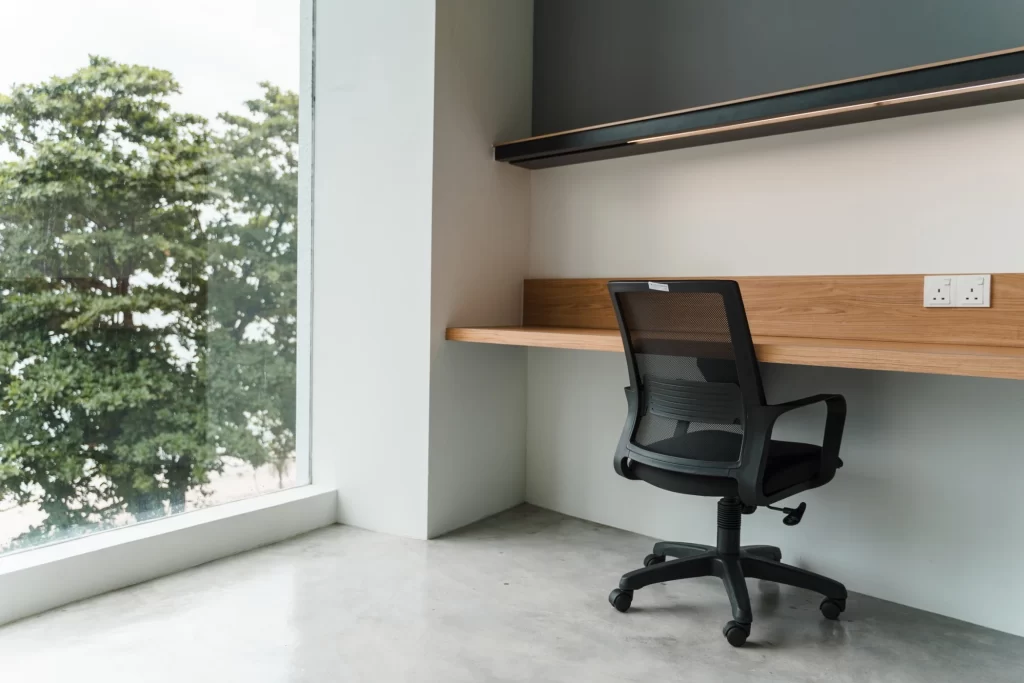
Floating Desk in a Tight Corner
For this minimalist style, a low-back armless chair works best. Look for one with a breathable mesh back and wheels. This keeps the space looking open and allows you to move easily.
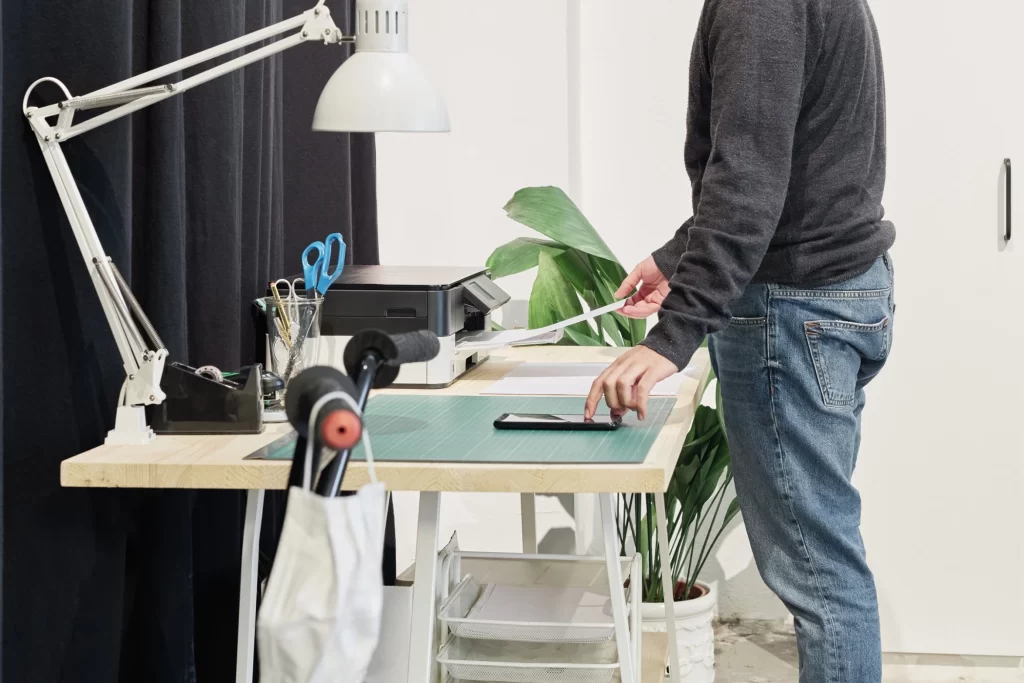
Compact Standing Desk
If you prefer standing desks, try a stool-style small chair with height adjustment. These chairs provide quick rest breaks without undoing your posture progress.
Foldable Work Tables
Many remote workers use portable chair and table combos. A small folding chair with a cushion is ideal here. Choose one with ergonomic curves to avoid discomfort during long sessions.
Dining Table Turned Workstation
Sometimes, your table set up isn’t a traditional desk. Dining tables are spacious but high. In this case, opt for a small chair with adjustable height and solid seat padding.
Choosing the Right Small Office Chair for Your Needs
There is no one-size-fits-all when it comes to your seating. Consider the following factors before clicking “Add to Cart”:
Height and Adjustability
Make sure the chair height suits your desk. Your arms should rest at a 90-degree angle when typing. Many small office chair options offer hydraulic lifts or manual levers for adjustments.
2. Material and Breathability
If you’re in a hot climate or sit for long hours, go for mesh-backed chairs. For a more stylish look, leather or fabric seats work well too, especially in home offices.
3. Back and Lumbar Support
Compact doesn’t mean compromised. Look for chairs with curved backrests and some lumbar padding. It makes a huge difference during 3-hour Zoom calls.
4. Armrests or Armless?
If you’re in a particularly tight spot, consider going armless to save space. However, if your elbows need support, padded armrests make your life easier.
5. Mobility and Weight
Want to move your chair easily? Pick one with smooth caster wheels and a lightweight frame. Portable chair models are perfect if your workspace changes daily.
Best Small Office Chair Types by Workspace Style
Each work environment demands different features. Let’s match chair types to specific remote work desk setups.
For Minimalist Workspaces
A sleek, armless mesh chair fits seamlessly into small rooms. It blends in and doesn’t overpower your table set up.
For Multi-Tasking Parents
If you’re toggling between work and parenting, a portable chair that you can move from room to room works best. Look for one that folds or stacks easily.
For Studio Apartments
You need beauty and function. Select a mid-back chair with concealed wheels and a cushioned seat that complements your decor.
For Dual Setups (Work + Gaming)
Opt for a small office chair with firm lumbar support and adjustable tilt. These chairs keep you comfy during long hours without the bulk of gamer chairs.
For Shared Workspaces
If your desk is in a shared area, go for a quiet rolling chair with minimal footprint. That way, you’re not disturbing others, and your space stays neat.
The Portable Chair Advantage: Flexibility for Every Day
Sometimes, your workspace isn’t fixed. Maybe you work from your bedroom in the morning, then shift to the patio in the afternoon. In such cases, a portable chair can be a game-changer.
They’re foldable, light, and easy to carry. Plus, many now come with cushions or even back support. Pairing one with a laptop tray or rolling cart turns any area into a productive table set up.
This option is ideal for digital nomads, freelancers, and anyone working in tight or shared environments.
How to Style Your Workspace Around a Small Office Chair
Even small chairs deserve to be part of a stylish setup. Here’s how to create a functional and beautiful workspace:
Add a Soft Rug. This anchors the space and softens any wheel noise.
Use a Side Table or Storage Cart. Keep clutter off your main desk.
Include Plants or Art. Even one framed piece adds personality.
Match Chair Colors to the Room. A black chair suits a tech look, while white or pastels bring softness.
The goal is to make your space feel like it’s truly yours, even if it’s just a corner.
Expert Tips to Keep in Mind When Buying
Before making your final choice, consider these quick expert tips:
Measure your desk height and floor space before buying
Read real user reviews, especially ones that mention setup and durability
Check return policies, especially for online purchases
Go for reputable brands with ergonomic certifications if possible
Don’t overlook secondhand deals on quality chairs in good condition
Sometimes, you don’t need a brand-new product. You just need the right fit.
Final Thoughts: Let Your Chair Do More Than Just Sit There
Choosing a small office chair is more than just a seating decision. It’s about transforming how you feel and function every day. Whether you have a permanent home office or switch between a portable chair and table depending on the day, the right chair offers comfort, style, and serious space-saving perks.
So, don’t wait for backaches or tight corners to make you rethink your setup. Evaluate your table set up, consider your day-to-day flow, and invest in a chair that supports your hustle.
Your body and your productivity will thank you!
Subscribe to What Works Next today and join a community dedicated to transforming the way we work. Working smarter starts here!
Working from home can boost flexibility, but only when your environment supports it. A cluttered workspace reduces focus and increases stress. That’s why investing in a desk with storage is one of the smartest decisions remote professionals can make. It helps you stay organized, improves your efficiency, and even adds to your home’s aesthetic.
This guide is designed to help you choose the right desk, based on your needs, space, and working style. You’ll also find recommendations for optimizing your desk setup and choosing the best desk accessories to support your workflow.
Why Choose a Desk with Storage?
Choosing a desk with storage offers multiple benefits. It’s not just about having drawers. It’s about creating a system that supports your work routine and eliminates distractions.
Here’s why it matters:
Keeps Your Workspace Clutter-Free. Everything has its place, from stationery to cables.
Boosts Mental Clarity. A clean space supports better concentration and decision-making.
Enhances Efficiency. Easy access to tools saves you time throughout the day.
Supports Long-Term Organization. You don’t need to reorganize constantly if everything has a home.
The right desk with storage can turn a chaotic room into a productive haven.
Different Desk Types with Built-in Storage (and Who They’re For)
Each desk type supports a different need. Below is a breakdown to help you decide what works best for you:
1. Floating Desks with Wall Storage
Best for: Small spaces, minimalists, and those who prefer open floor plans.
Floating desks mount directly to the wall, saving precious floor space. Many models include wall-mounted shelves or overhead cabinets. These desks keep your essentials within reach without taking over the room.
Pros:
Maximizes small rooms
Clean and modern look
Great for light laptop-based work
Storage Tips:
Use vertical shelves for notebooks and decor
Add magnetic organizers for small items
Use a cable box to keep things tidy
Pair it with the best desk accessories like compact lighting and wireless chargers to boost convenience.
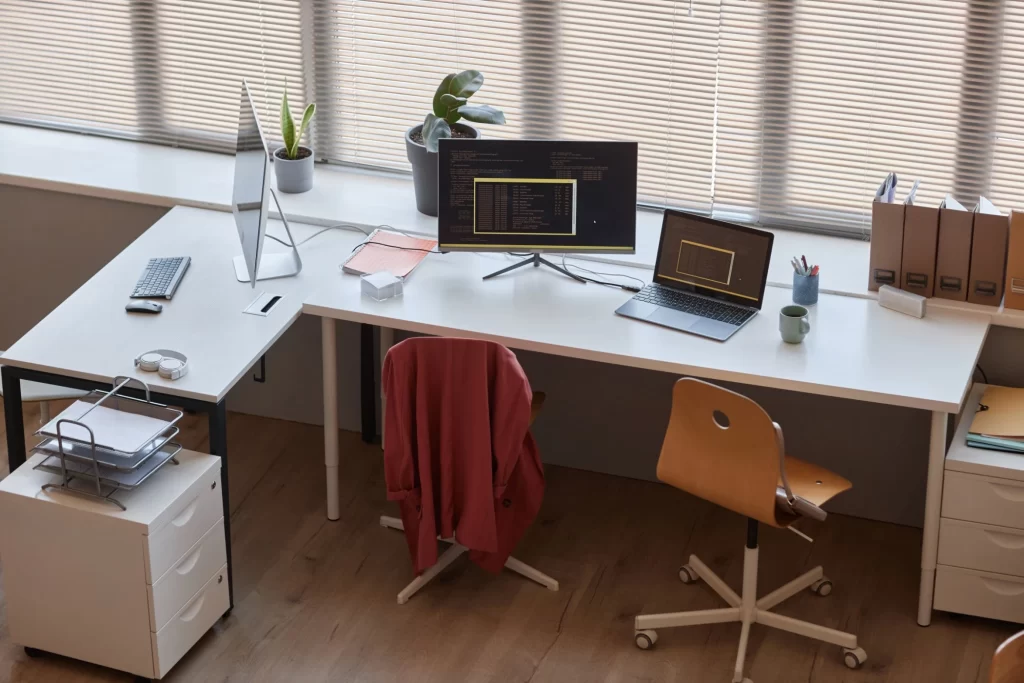
2. L-Shaped Desks with Drawers and Cabinets
Best for: Multitaskers, professionals with dual monitors, or people managing different types of work.
These desks offer an expansive surface and extra drawer units, often with multiple sections. One side can be used for your computer and the other for paperwork or planning.
Pros:
Spacious layout
Excellent for separating tasks
Generous built-in storage
Storage Tips:
Assign each drawer a purpose: tech, paperwork, or supplies
Use drawer dividers to prevent clutter
Install under-desk hooks for headphones or bags
This desk with storage works best in larger home offices.
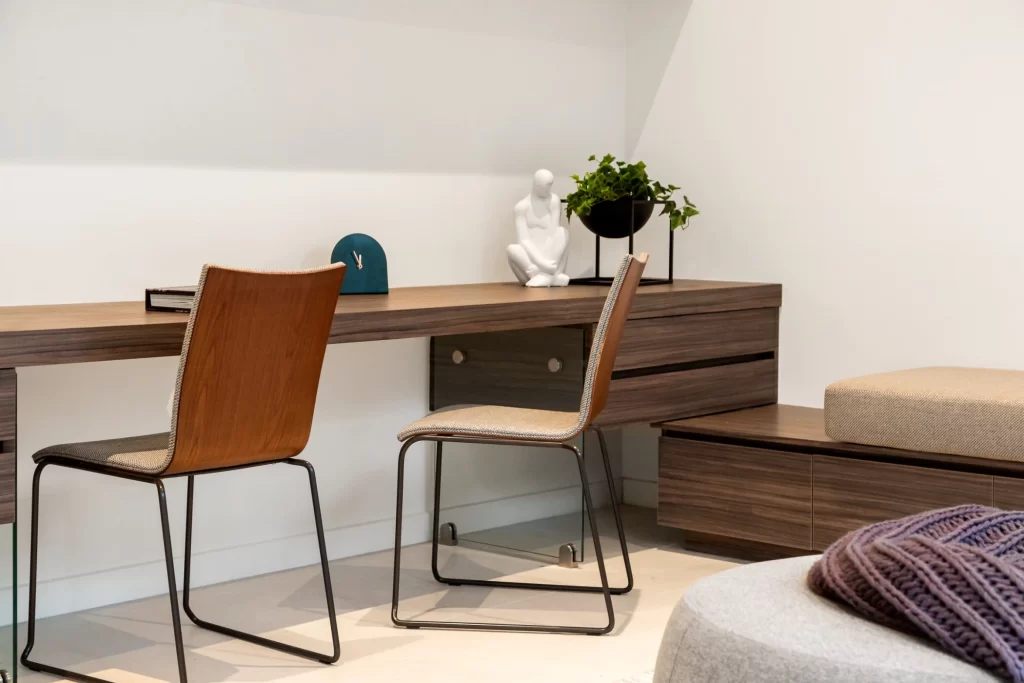
3. Mid-Century Modern Wood Desks with Hidden Drawers
Best for: Style-conscious professionals and creatives working in a visible area of the home.
These desks offer hidden or minimal drawer systems that blend into the design. If you want a functional yet beautiful wood desk, this is a strong contender.
Pros:
Visually appealing
Often handcrafted or made of premium materials
Can double as decor in shared spaces
Storage Tips:
Use low-profile organizers inside drawers
Choose stylish desk accessories that complement the wood tones
Keep the surface clean for maximum impact
This type is ideal when your desk setup is part of a living or dining room.
4. Standing Desks with Integrated Storage
Best for: Health-conscious workers who alternate between sitting and standing.
Many standing desks now include drawers or shelving underneath. This makes it easier to transition positions without sacrificing organization.
Pros:
Supports better posture
Encourages movement
Allows flexible work setups
Storage Tips:
Opt for models with sliding drawers to avoid interruption when adjusting height
Use under-desk baskets for files and tech accessories
Keep frequently used items at arm’s level for easy reach
Add ergonomic desk accessories like footrests and wrist pads for extra support.
5. Fold-Out Desks with Secret Storage
Best for: People working in shared or multi-use spaces who want to “hide” their workspace when not in use.
Fold-out desks often come with hidden compartments or flip-down surfaces. When work is over, everything folds back into a cabinet or shelf.
Pros:
Saves space
Disguises your workspace
Portable or movable in many cases
Storage Tips:
Use compartment trays for small tools
Label hidden sections for quick access
Include compact lighting inside the fold-out panel
This desk works well for those balancing home and work life in one area.
6. Executive Desks with File Cabinets and Lockable Storage
Best for: Professionals dealing with sensitive documents, consultants, or high-volume planners.
Executive desks often come with deep drawers and file cabinets, and some models include locks for security. These are heavy-duty and suitable for long work hours.
Pros:
Large surface area
High-capacity storage
Looks professional and polished
Storage Tips:
Use file organizers and document trays inside the drawers
Keep client records secure with the locking mechanism
Store printers or scanners underneath, if space allows
Ideal for dedicated home offices that mimic a corporate setup.
Best Desk Accessories to Pair with a Desk with Storage
The right accessories complement your desk with storage and help you work more efficiently. These accessories are highly recommended:
Accessory
Why You Need It
Cable Management Box
Prevents tangles and keeps power strips out of sight
Monitor Riser with Drawers
Elevates the screen and adds secret storage underneath
Pen Holder and Organizer
Keeps stationery sorted and easy to access
Drawer Dividers
Prevents clutter inside your storage drawers
Under-Desk Mounts
Holds headphones, USB hubs, or routers
Sticky Note Boards
Tracks to-do lists without crowding your desktop
Incorporating these best desk accessories can help you build a smart, streamlined workspace. Choose accessories based on your workflow rather than what looks trendy.
Desk Setup Tips for Maximum Productivity
No matter which type of desk you choose, your desk setup plays a big role in how focused and comfortable you feel during the day. Here are a few tips to make your setup truly effective:
Ergonomics First: Your elbows should be at a 90-degree angle, and your monitor should be at eye level.
Keep Essentials Close: Only keep frequently used items on the surface. Store everything else.
Go Vertical: Use wall organizers or stackable trays to save desk space.
Minimize Cables: Use Velcro ties, clips, and charging stations to manage wires neatly.
Personal Touches: Add a plant, photo, or desk lamp to make the space yours.
Your desk with storage should not only hold things. It should also reflect your working style and support your goals.
Final Thoughts: Invest in the Right Desk with Storage
Your desk is more than furniture. It’s the control center of your remote work life. A smart desk with storage provides order, efficiency, and a sense of calm in your daily routine.
Whether you’re a designer, project manager, writer, or digital nomad, there’s a solution tailored to your needs. Match the desk style to your work habits. Then, upgrade with the best desk accessories to finish your desk setup.
Invest in a setup that supports you, not just for today, but for your long-term success. It’s not about working harder. It’s about working smarter, with a space that’s organized and built for you.
Choosing the right executive desk for home office can change how you feel about work. It can boost your productivity, help you stay organized, and even make your workspace feel more inviting. If you spend a lot of time working from home, this one piece of furniture can either become your best investment or your biggest regret. So, you’ve got to choose wisely. I spent days reading reviews, comparing prices, and examining features before purchasing the one that seemed most aligned with my needs.
So, how do you decide which desk is right for you? Let’s walk through what you need to know from size and material to storage and design. Whether you’re setting up a brand-new office or upgrading your current setup for a work-from-home (WFH) setup, this guide will help you make the best choice.
Consider the Size of Your Space
Before falling in love with a desk online, take a good look at your home office. Do you have a dedicated room, or are you working from a corner of your bedroom or living room? Size matters, especially when you’re working with limited space.
A large executive desk for home office may feel luxurious, but if it cramps your walking area or blocks natural light, it’s not the right fit. Measure your space before browsing. Then, stick to those dimensions when shopping. It might feel tempting to go bigger, but trust me, comfort and movement are just as important as the look.
Additionally, remember to factor in legroom and space for a chair. If you’re tight on space, consider an L-shaped desk with storage. It gives you more surface area without taking up too much room.
Choose a Style That Matches Your Interior
Your desk should reflect your personality and also complement the look of your home. A traditional wooden desk with a polished finish gives off a classic vibe. On the other hand, a sleek, minimal design in white or matte black might suit a modern setup better.
Now that more people are working from home, furniture companies offer a wide range of stylish options. You no longer have to settle for something bulky and boring. Think of your executive desk for home office as a design piece as much as a functional one.
Try to visualize the desk in your room. Will it go well with your existing furniture? Does the color match your floor or walls? These small details can make a big difference in how your space feels.
Think About Storage Needs
If you’re someone who likes to keep everything neatly stored away, don’t overlook storage. A desk with drawers can help you keep paperwork, office supplies, and electronics out of sight. This is especially useful if you want your workspace to feel clean and calm.
There are desks with shallow drawers for pens and sticky notes, and there are desks with deep drawers for files and folders. Some even offer built-in shelves or side cabinets, turning your desk into a full workspace.
For multitaskers, a desk with storage becomes a lifesaver. It helps you avoid clutter, saves time searching for items, and keeps your mind focused. After all, a clean desk really can lead to a clearer mind.
Pick a Material That Suits Your Lifestyle
The material of your desk affects both its appearance and durability. Solid wood is a great long-term investment if you want something sturdy and traditional. However, it’s heavier and usually more expensive.
Laminate and MDF desks are more budget-friendly and come in many styles and colors. If you’re into modern or industrial looks, glass or metal might appeal to you, though they require more maintenance.
Since your executive desk for home office will likely face daily use, think practically. If you eat at your desk or have young kids around, avoid materials that stain or scratch easily. A balance between style and function is key.
Don’t Ignore Ergonomics
Looks aren’t everything. A desk that doesn’t support good posture can lead to discomfort over time. Always check the height of the desk and make sure it allows your arms to rest comfortably when typing. If it’s too high or low, you’ll find yourself straining your neck and back.
Pair your desk with a supportive chair. If you’re petite or tall, you might need to consider adjustable height desks. Your comfort should always be a top priority, especially if you’re working long hours from home.
A good executive desk for home office will keep you productive, but also relaxed and physically supported. Comfort leads to better focus and fewer distractions during work hours.
Factor in Cable Management
Most of us have laptops, monitors, printers, and phone chargers cluttering our workspace. Without good cable management, it quickly becomes a mess. When choosing your desk, look for built-in grommets, cable trays, or cutouts that allow you to tuck wires away.
If your desk doesn’t offer cable management features, consider adding external organizers. Velcro straps, under-desk baskets, and adhesive clips can make a huge difference.
Having a desk with drawers also helps you hide away charging stations or store tech accessories. That way, your desk looks clean even when it’s powering multiple devices at once.
Choose a Design That Inspires You
Your home office is a space you visit every day. So why not make it inspiring? Think about what kind of space makes you feel motivated. Is it light and airy with neutral tones? Or maybe you feel more creative in a bold, colorful setup?
An executive desk for home office can easily become the centerpiece of your room. Whether it’s a rustic design with warm textures or a high-gloss surface with sharp lines, pick something that makes you look forward to sitting down at your desk.
Don’t underestimate the emotional value of your workspace. When your environment reflects your taste, you feel more connected to your work.
Budget Smartly
You don’t have to spend a fortune to get a great desk. But it’s also not worth choosing the cheapest one just to save a little. Look at this as a long-term investment. If your desk wobbles or chips within a few months, you’ll end up paying more to replace it.
Compare prices, read reviews, and think about what features matter most to you. A desk with storage might cost a bit more, but if it helps you stay organized, it’s probably worth it.
You can also check out refurbished or second-hand options. Many quality desks are available at lower prices if you know where to look.
Assembly and Delivery Matter Too
It’s easy to forget this part until the desk shows up at your door in five separate boxes. Before you order, check if the seller offers assembly services. If not, make sure the instructions are clear and that you have the tools you need.
Some executive desks for home office are easy to put together, while others may require help. It’s also worth checking if the desk can fit through your doorways and hallways, especially for larger or pre-assembled models.
Delivery time is another important detail. If you’re in a hurry to set up your space, avoid backordered products or long shipping delays.
Get Input from Real Users
Finally, always read the reviews. Customer feedback gives you insight into real experiences, beyond what the product description tells you. You’ll learn how the desk holds up over time, how easy it is to clean, and whether the desk with drawers has enough space.
Don’t just look at the star rating, read what people liked and didn’t like. It helps you avoid surprises after your purchase.
You can also ask friends or colleagues who work from home. Sometimes the best advice comes from someone who’s already gone through the process.
Final Thoughts
Picking the right executive desk for home office is more than just a shopping decision. It’s about creating a space that supports your daily workflow, matches your style, and keeps you organized and comfortable.
Whether you need a desk with storage for all your files or a stylish desk with drawers that adds charm to your space, there are endless options out there. Just be sure to choose with intention. Think about your habits, your workspace size, and how you want to feel when you sit down every morning.
After all, your desk isn’t just a piece of furniture. It’s where your goals come to life.
Setting up a perfect work from home desk setup can change the way you feel about your job. Whether you’re a remote worker, freelancer, or someone juggling hybrid work, a good work environment helps you stay focused and relaxed. It’s more than just a desk and chair. It’s about creating a space that works for you mentally, physically, and even emotionally.
With so many of us spending long hours at our desks, it only makes sense to optimize our workspace. From choosing the right lighting to picking the perfect chair, every decision matters. Let’s walk through exactly how to create your ideal setup step by step.
1. Choose the Right Location
Before anything else, pick a quiet and comfortable corner of your home. Ideally, choose a spot with natural light. You’ll feel more energized and alert during the day. If possible, avoid working in your bedroom to separate work from rest.
Think about distractions. If your kitchen or living room sees a lot of foot traffic, it may not be ideal. Even a small nook with privacy can make a big difference. Use curtains, bookshelves, or plants to section off your space.
The key is to train your mind that this is your work station. This space should trigger focus and productivity every time you sit down.
2. Invest in a Comfortable Chair
Your chair plays a massive role in your work from home desk setup. Don’t underestimate it. A bad chair leads to back pain, shoulder strain, and poor posture. Over time, these small issues can turn into long-term health problems.
So, what should you look for in a chair? Go for something ergonomic. Look for adjustable height, lumbar support, and breathable material. Your feet should rest flat on the floor, and your knees should form a 90-degree angle.
If a premium chair feels too expensive, think of it as a health investment. You’ll work better and feel less tired at the end of the day.
3. Get the Right Desk for Your Needs
Not all desks are created equal. Your desk should match the kind of work you do. Do you use one laptop? Or do you need space for a large computer monitor, a notebook, and a tablet?
Consider the width, depth, and height of the desk. If you need extra storage, look for options with built-in drawers. If you move a lot, a lightweight desk is easier to shift around. A standing desk is a great choice if you prefer flexibility and movement during the day.
Avoid clutter. Keep only the essentials on your desk. A clean space helps you think clearly and get more done.
4. Elevate Your Screen for Better Posture
Your screen should be at eye level to avoid neck strain. Many people look down at their laptops, which creates a hunched posture. Over time, this causes discomfort and tension in the shoulders and neck.
If you use a laptop, consider getting a laptop stand. Even a stack of books can work as a temporary fix. For those using a large computer monitor, make sure it’s elevated enough to meet your line of sight.
Some people even use a second screen to increase productivity. It helps when multitasking or referencing multiple documents at once. Just make sure both screens are aligned to reduce eye movement and fatigue.
5. Focus on Lighting
Lighting can influence your mood, energy, and focus. Natural light is best, but not always available. In such cases, add a good desk lamp to your work station.
Avoid harsh fluorescent lights or overhead lighting. Instead, use warm, adjustable lights that reduce eye strain. Place your light source to the side to avoid screen glare.
Also, consider using blue light filters on your devices, especially in the evening. This helps protect your sleep cycle and reduces digital eye fatigue.
6. Use Quality Tech and Accessories
Your tools can either support your workflow or slow you down. Invest in a reliable internet connection, a fast computer, and noise-canceling headphones. These are the basics.
For better comfort, use an external keyboard and mouse. This lets you position your laptop or large computer monitor at the right height. Your arms should rest comfortably while typing.
Don’t forget a good webcam and mic if you take regular calls. Clean audio and video help you show up professionally in every meeting.
7. Optimize Cable Management
Messy cables can make your desk feel chaotic. They get tangled, collect dust, and make cleaning difficult. Luckily, cable management is simple and affordable.
Use cable clips, ties, or sleeves to bundle wires together. Label them if needed so you can unplug quickly without confusion. Route wires behind your desk or along the edges to keep them out of sight.
A tidy setup instantly feels more professional. Plus, it saves time when you need to switch devices or troubleshoot.
8. Personalize Your Workstation
Work from home does not mean your desk setup should feel sterile or boring. Bring in elements that make you feel good. Add plants, photos, or small art pieces. You can even use a favorite mug or coaster for a touch of comfort.
Scents like lavender or citrus can enhance mood. Soft textures, warm colors, or even a cozy rug under your feet can improve the space.
Just remember not to overdo it. Your desk should stay clutter-free, so decorate with intention and balance.
9. Manage Noise Levels
Noise is one of the biggest distractions when working from home. Whether it’s kids, traffic, or neighborhood sounds, it can pull you away from deep focus.
Try using noise-canceling headphones or a white noise machine. Instrumental music or ambient sounds can also create a calming background.
If possible, use rugs and curtains to absorb sound. The goal is to build a workspace that supports calm thinking and clear communication.
10. Add Movement and Flexibility
Sitting all day is not healthy. Include small ways to move and stretch in your work station design. A standing desk or adjustable riser lets you switch between sitting and standing throughout the day.
You can also place a yoga mat nearby for short breaks. Stretch, walk, or even do a few squats to reset your energy.
Even better, take calls while standing or pacing. Movement not only boosts your mood but also improves focus and circulation.
11. Keep It Clean and Organized
A clean desk is a productive desk. Make it a habit to tidy up at the end of each day. This small routine resets your mind and prepares you for a fresh start the next morning.
Use organizers, trays, or drawers to store your essentials. Avoid mixing personal clutter, like keys or random gadgets, with work tools. Keep things simple and easy to access.
Wipe down your desk and screen regularly. You’ll feel more refreshed and less overwhelmed when things are in order.
12. Plan for Comfort and Sustainability
Your work from home desk setup should be designed for the long haul. Think about your body, mind, and even the environment.
Use a footrest if your feet don’t touch the ground. Choose energy-efficient lighting and recycle old electronics. Invest in durable, long-lasting furniture rather than trendy items that wear out fast.
Comfort supports performance. When your workspace feels right, your work quality improves.
Final Thoughts
Creating a perfect work from home desk setup doesn’t require a huge budget or fancy tools. It’s all about being intentional with your space. Start with what you have and build from there.
Remember, your desk is more than just a work zone. It’s where you think, create, connect, and grow. Make it a place you want to sit down at every day.
So go ahead, take a look at your current setup and see what small changes you can make today. Your mind, body, and work performance will thank you for it.
Subscribe to What Works Next today and join a community dedicated to transforming the way we work. Working smarter starts here!
These 10 minimalist home office setup ideas prove that even the smallest spaces can be transformed into stylish and efficient home offices. With a dash of creativity (and maybe a pinch of humor), you’ll see that when it comes to a minimalist home office, less space doesn’t mean less fabulous!
I have a reasonably decent-sized room, and yet I sometimes struggle to have a fine home office setup. Btw, I like revamping my home office setup quite often, so I keep trying different ideas. Sharing some of these here, as they might help you with the indecisiveness as well.
Here are some ideas for Home office setup
Creating the perfect home office setup is essential for boosting productivity and maintaining work-life balance. A well-designed space should combine comfort, functionality, and personal style. From ergonomic furniture to smart storage solutions, every element plays a role. Explore creative ideas to transform your space into an efficient and inspiring home office setup.
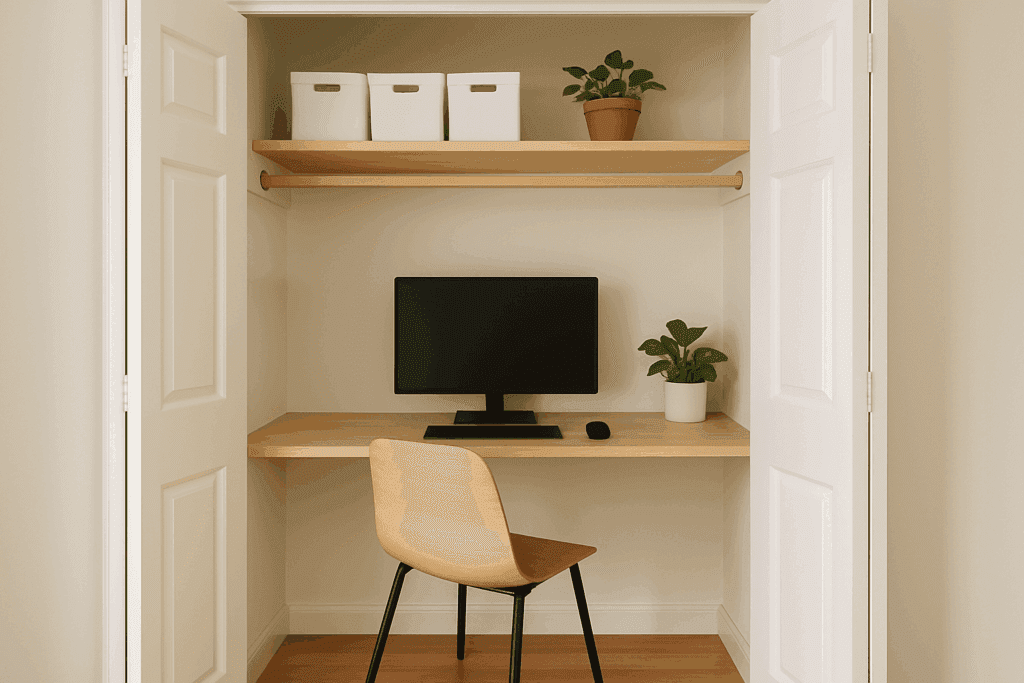
1. Cloffice: Closet Turned Office
What? A closet? Who says a closet is just for clothes? Turn that spare closet into a “cloffice” (closet + office) and create a hidden work haven.
All it takes is a small desk, a wall-mounted shelf, and maybe a touch of light and décor. When the workday is over, close the closet doors, and poof! Your office vanishes – minimalist home office magic!
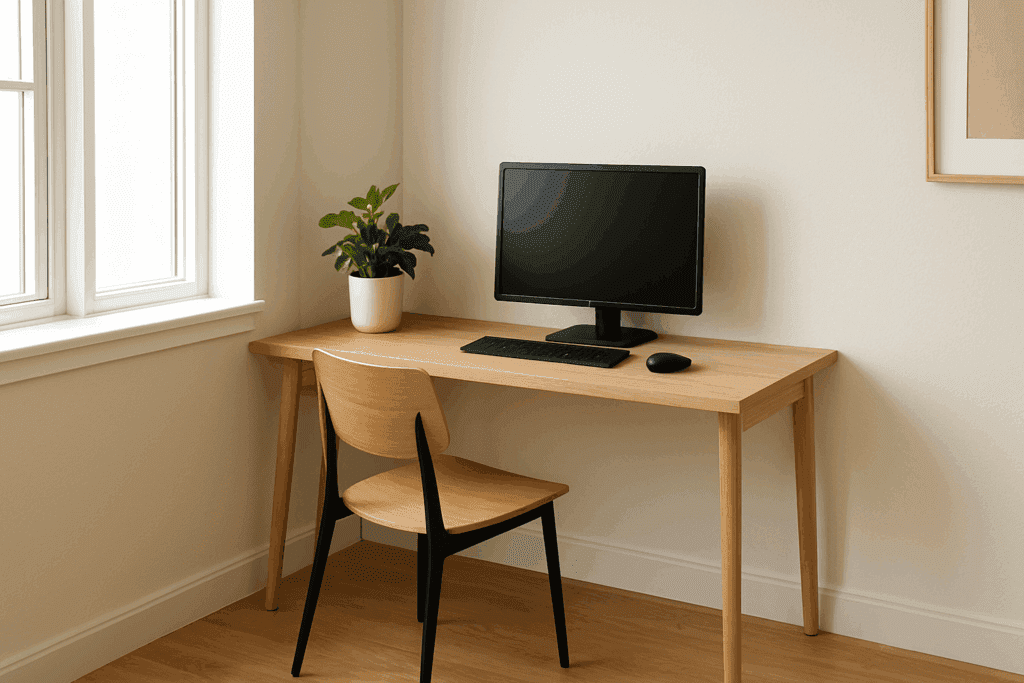
2. Corner Office, Literally: Cozy Corner Nook
Claim an unused corner and give yourself a literal corner office. A small L-shaped desk or a simple writing table tucked into a corner makes an instant minimalist home office. This smart Home Office Setup uses space that would otherwise gather dust bunnies.
Plus, you’ll feel a tiny bit like an executive whenever you tell people you have a “corner office” at home!
3. Floating Desk: Wall-Mounted Wonder
Save space with a wall-mounted desk. A floating desk attached to the wall gives you a workspace without gobbling up any floor area. Think of it as a shelf that works overtime as your office. Pair it with a sleek stool that slips under when not in use.
This minimalist home office setup idea keeps your small space feeling open, airy, and trip-hazard free.
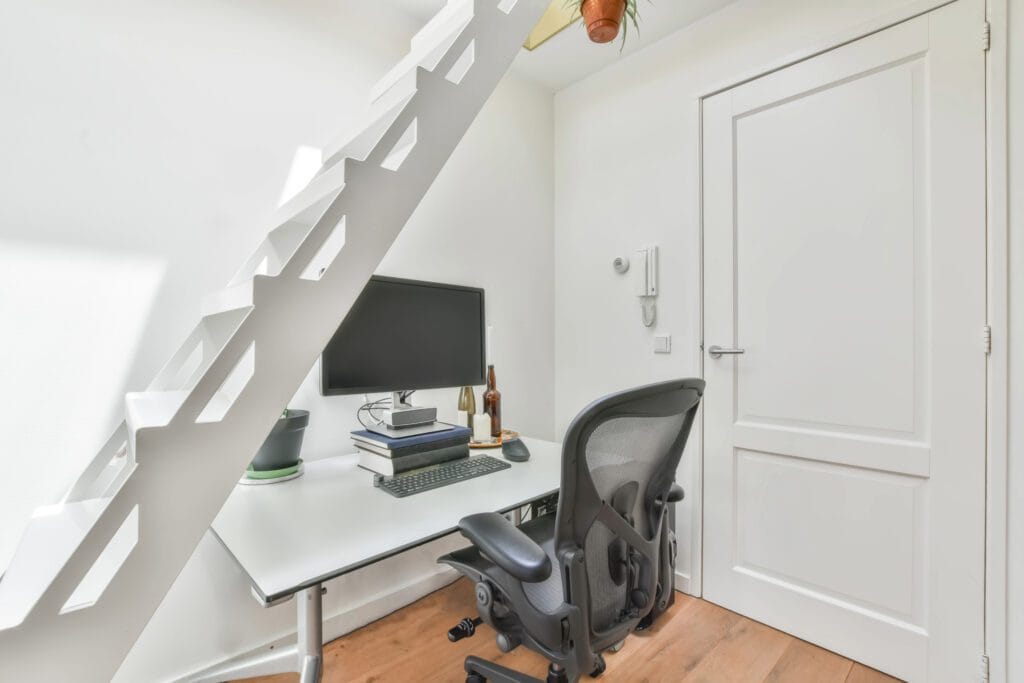
4. Under-Stair Station: Sneaky Workspace
The space under the stairs often collects dust. Why not give it a promotion to a home office? Clean it out, it doesn’t have to be your storage dump space as well.
Slip a petite desk and a chair into that nook, and you’ve got a minimal, cute little workspace. Built-in storage under the stairs can keep files and clutter out of sight. This is one of those small office ideas that hides in plain view, turning dead space into a productivity spot.
I had to move my stuff from the under-stair area as my mom wanted to utilise it for the empty cartons ? (you know that’s more important anyway).
5. Turn a Vanity Table Into a Stylish Workstation
When you’re short on space but still need a functional home office setup. Think creatively, your bedroom vanity can easily double as a minimalist desk. Repurpose it by clearing off personal items and adding work essentials like a laptop, notebook, and maybe a small plant for a productivity boost.
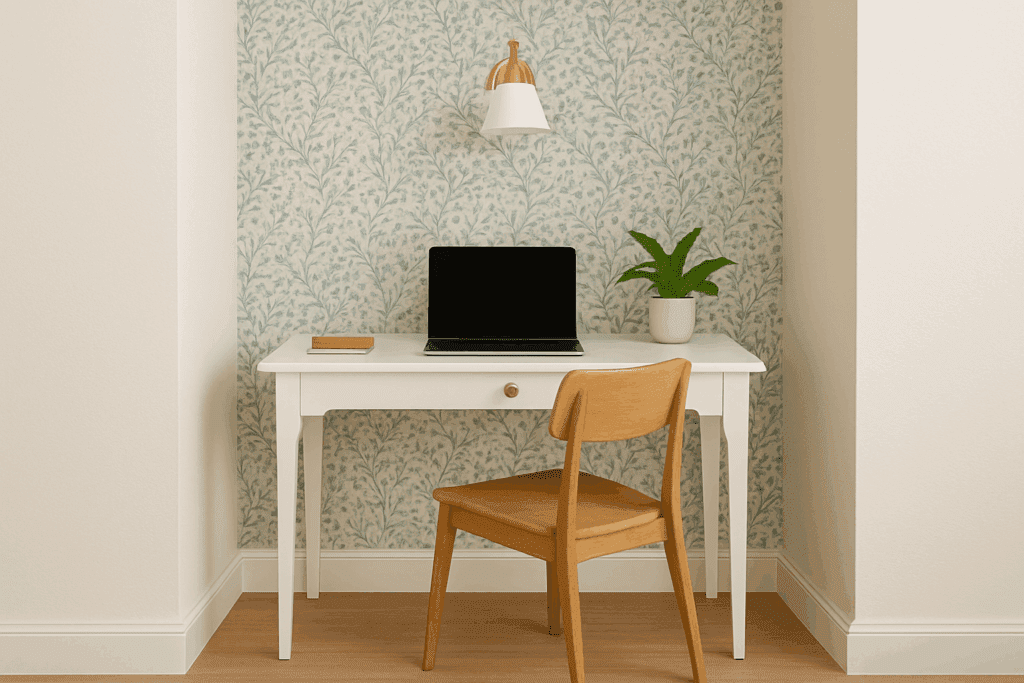
To make it feel like its own cozy nook, define the area with playful wallpaper or a bold accent wall. Swap out bulky lamps for a wall-mounted sconce to keep the surface clutter-free. It’s a clever way to blend beauty and function without compromising either.
6. Use a Room Divider
A room divider is a smart solution for separating a dedicated home office space without major renovations. Whether you’re working in a living room, bedroom, or studio apartment, a decent divider adds structure to your layout and signals a visual and psychological boundary between work and leisure zones.
You can opt for folding screens, lightweight bookcases, or even fabric curtains mounted on a ceiling track to create a separate zone. Whatever you think can be utilised for this, you don’t have to spend a lot. Utilise the things you have at home and see a way around.
Home office setup not only offers privacy during virtual meetings but also helps reduce distractions and improve focus during work hours.
7. Choose Multifunctional Furniture
When space is limited, multifunctional furniture becomes essential for optimizing every inch.
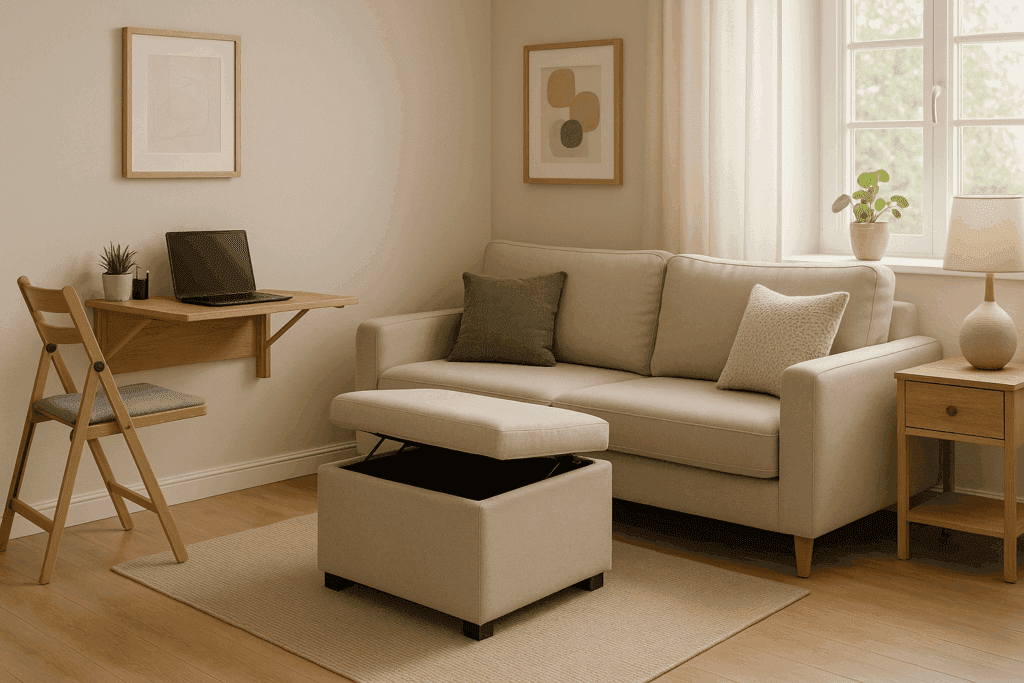
Consider pieces that serve dual or even triple purposes, like an ottoman that opens for storage, a wall-mounted desk, or a folding chair that can fold away when not in use. A dining table can double as a work surface during the day, and a storage bench can act as both seating and a place to keep office supplies.
The key is to invest in smart, adaptable furniture that fits your lifestyle and helps reduce clutter while maintaining a professional-looking space.
8. Use Portable Foldable Desks
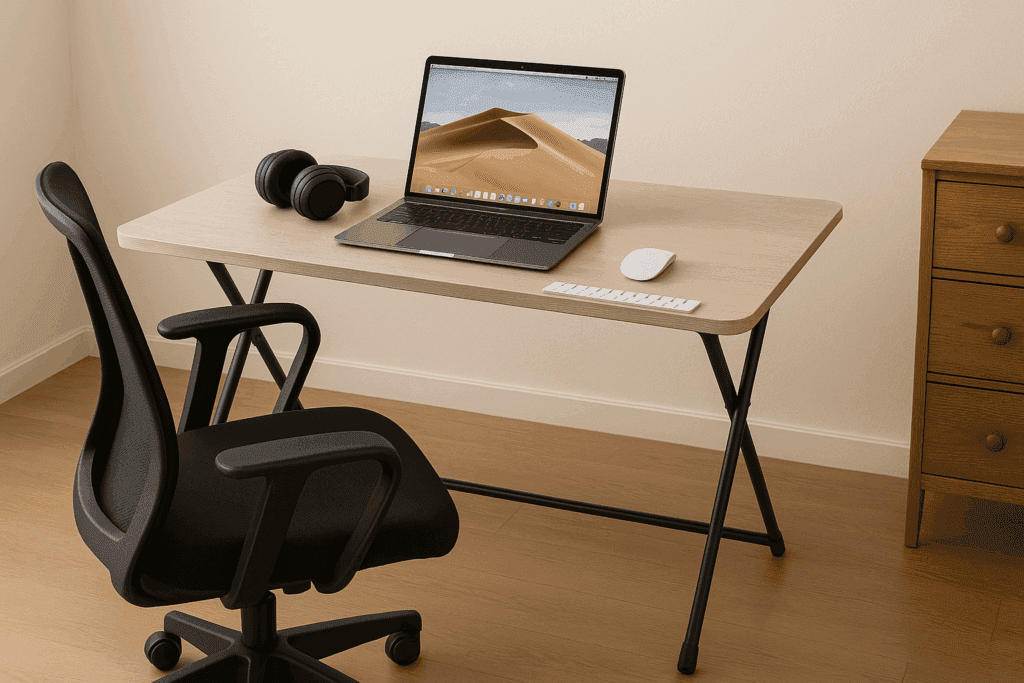
Portable, foldable tables are perfect for people who need a flexible and temporary setup ( I have a small portable table and it goes with me wherever I move around the house, lol).
These desks can be set up in minutes and stored away just as easily, making them ideal for those who don’t have a permanent space to work from. You can bring them out during work hours, then tuck them behind a door or under a bed once you’re done.
They’re also great for those who like to change their work environment throughout the day (someone like me who doesn’t like to sit in one place for a long time).
9. A Study Space by Day, a Dining Room by Night
In many small homes, the dining area is one of the few available spots with a flat surface and decent lighting – two essentials for productive work.
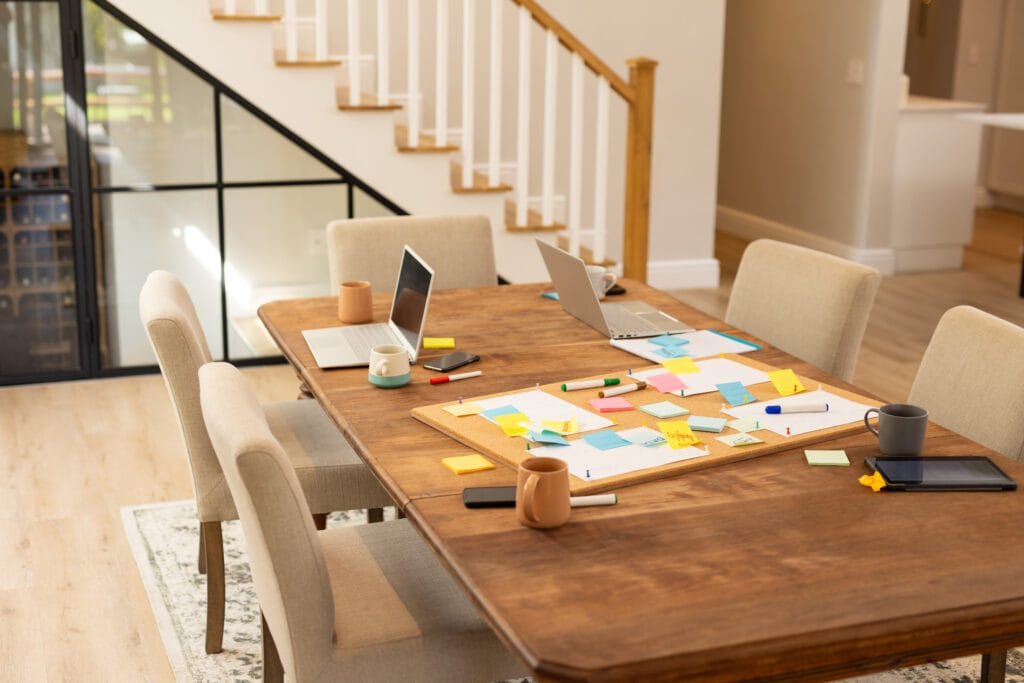
So, by being intentional with furniture placement and accessories, you can transform this area into a functional study zone during the day and switch it back to a cozy dining setup in the evening.
Rolling storage carts can be tucked into corners to hold office supplies, and minimal décor helps maintain the dual-purpose functionality. The versatility of this space-saving idea is ideal for small apartments and shared households.
10. Convert Garage into Home Office
If you have a garage at home, you can leverage the space for setting up your work zone. Converting a garage into a home office can be a game-changer for those needing a completely separate workspace within their home.
With proper insulation, ventilation, and lighting upgrades, this underutilized area can be turned into a quiet, professional environment.
Add electrical outlets, ergonomic furniture, and perhaps a few personal touches like plants or artwork to make it inviting. A converted garage provides the benefit of physical separation from the main living space, which can greatly improve focus and help maintain work-life balance, especially for those who work full-time from home.
Final Thoughts About Home Office Setup
In conclusion, investing time and effort into designing a thoughtful home office setup can significantly enhance your productivity, focus, and overall well-being. Whether you’re working remotely full-time or just need a dedicated space for occasional tasks, the right setup makes a big difference.
With a pinch of creativity, even the tiniest nook can become your productivity zone, helping you keep a work-life balance.
The key to a great home office setup in a small space is embracing the minimalist mantra: less clutter, more clever.
Mix and match these tips to craft your own cozy mix that aligns the best with your space and taste.
Subscribe to What Works Next today and join a community dedicated to transforming the way we work. Working smarter starts here!
A well-designed home office setup isn’t just about aesthetics only (I know, I know it matters!). It’s a must-have setup for better focus, comfort, and productivity. Whether you’re new to remote work or just looking to upgrade your space as a settled WFH employee, it’s time to set up a perfect home office that works with you, for you, and not against you.
After working from home for almost half a decade, I have experienced, learned, and relearned many things that have helped me maximize my productivity. It hasn’t been easy, but we all gotta learn as we grow, especially when it comes to setting up your home office for your own good! So, I thought of sharing my two cents on how you can improve your productivity while working remotely.
But first, let’s throw in some reality checks. Working from home sounds like a dream until you’re typing away on your laptop from the couch, balancing it on a pillow, wondering why your back feels like it aged a decade.
Let’s jump in and learn about some tips that might help you build a modern, productive home workspace that looks good, feels better, and functions like a dream.
How to Set Up a Perfect Home Office
Create a comfortable, productive workspace at home by choosing the right furniture, lighting, and technology. Prioritize ergonomics, minimize distractions, and personalize your environment for maximum efficiency. Whether for remote work or freelancing, knowing how to set up a perfect home office can boost focus and performance.
Designing the ideal home office starts with selecting a quiet, well-lit area that encourages concentration. Invest in a supportive chair, a spacious desk, and essential tools like a reliable computer and high-speed internet. Keep your setup organized with smart storage solutions and add personal touches to inspire creativity. When you Set Up a Perfect Home Office, you create a space that enhances both comfort and productivity.
1. Designate a Dedicated Work Zone
This may sound too basic, and you’ll be like ya right as if I don’t know about this…I know, but sometimes even despite knowing something, we tend to ignore it until it hits back (literally your back – remember the laptop placement on your lap while adjusting the pillow for your back?) Yeah…so time to transition those “I know thoughts’ into something actionable – by creating and designating a dedicated work zone for yourself with proper equipment.
So, the first step in creating the best home office setup for productivity is defining a workspace that’s just for work. Even if you don’t have a spare room, a quiet corner or a sectioned-off nook will do the trick. Physically separating your work area from your space signals to your brain that it’s “go time” when you sit down.
Invest in comfortable work chairs and desks, I’ll talk about it further in the next point.
Tip: Use rugs, white lights, or high high-standing lamp, or even indoor plants for your home office space to create a visual boundary if you’re sharing a room or utilising the same space for work and personal stuff.
2. Invest in Ergonomic Furniture and Accessories
It’s truly time to say goodbye to the constant neck pain and awkward, hunched-over typing. I took some time to do this, you shouldn’t! It affected my back so badly that I still feel recurring pain sometimes. Have some mercy on yourself and go sit in a chair!
Invest in an ergonomic chair that offers lumbar support and adjustable features. Pair it with a functional desk, preferably a home office desk with drawers, that gives you room to work without clutter.
Your monitor should be at eye level (if you have the budget, you can also invest in electric standing desks and adjust the height as per your preference and needs), your arms at a 90-degree angle, and your feet flat on the floor or use a foot support to avoid puffy feet. This classic setup boosts comfort and helps prevent long-term strain.
Do take breaks, though! Apart from having all the right equipment, your body needs movement. Take a 5mins break after every 1 hour. It helps with focus and productivity.
3. Let There Be Light (Natural Light, If Possible!)
Lighting is a game-changer in any productive home office setup. Natural light improves mood and alertness while reducing eye strain. If possible, position your desk near a window. No window? Use a full-spectrum daylight lamp or LED desk light that mimics natural light. You can find budget-friendly indoor lamps online.
You can also look for home sales around your place. You may find something cheap yet valuable for lighting up your workspace.
4. Upgrade Your Tech Stack
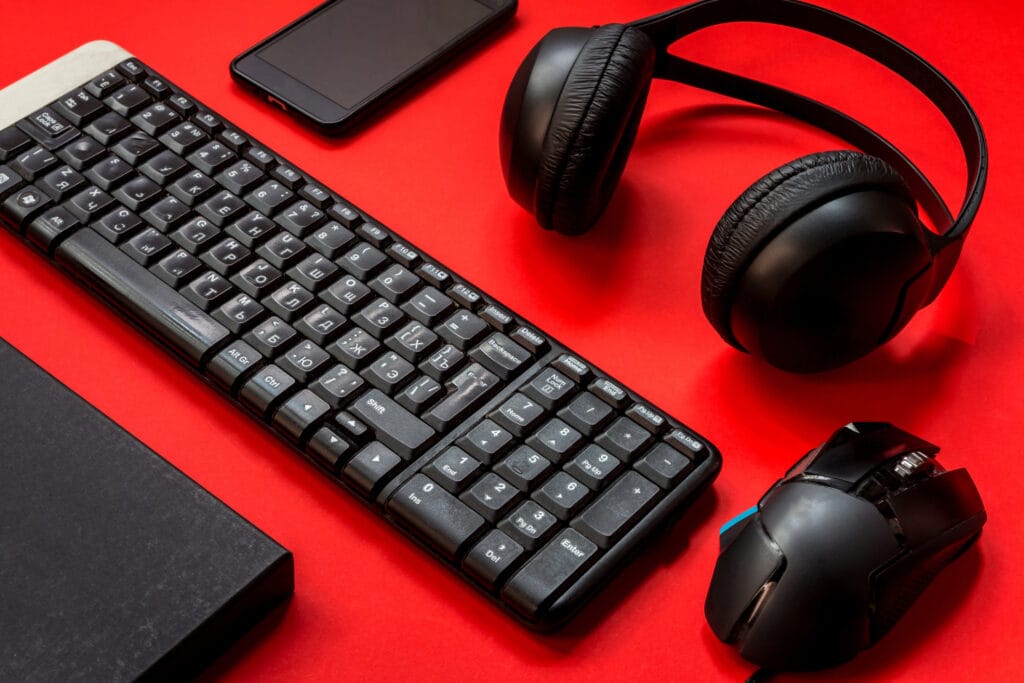
If you’re working from a single laptop screen with a tangled mess of cables, it’s time to level up. There are hundreds of productivity boosting gadgets and tools that you can use as per your needs. Consider adding a second monitor to expand your screen space, a wireless keyboard and mouse for comfort, and a quality webcam and microphone for clear communication. A good docking station can also help reduce cable clutter and streamline connectivity. These upgrades not only improve efficiency but also make your workspace more enjoyable. Investing in the right tech is a smart way to Set Up a Perfect Home Office. However, here are a few productivity-boosting essentials that you can start with:
Best Monitors for Home Office:
You can find a cheap one, but can you compromise on your eyesight? Nope. Can you compromise on the quality of visuals/graphics? Nope. Hence, investing in best best-performing monitors can enhance your overall workflow. A dual-screen setup can drastically improve efficiency and multitasking.
Best Headset for Working from Home:
You can find multiple handsets in the market. However, getting noise-canceling headsets keeps distractions at bay during calls, especially when you are working from home with other people in the house (or imagine kids, lol).
Tech Accessories:
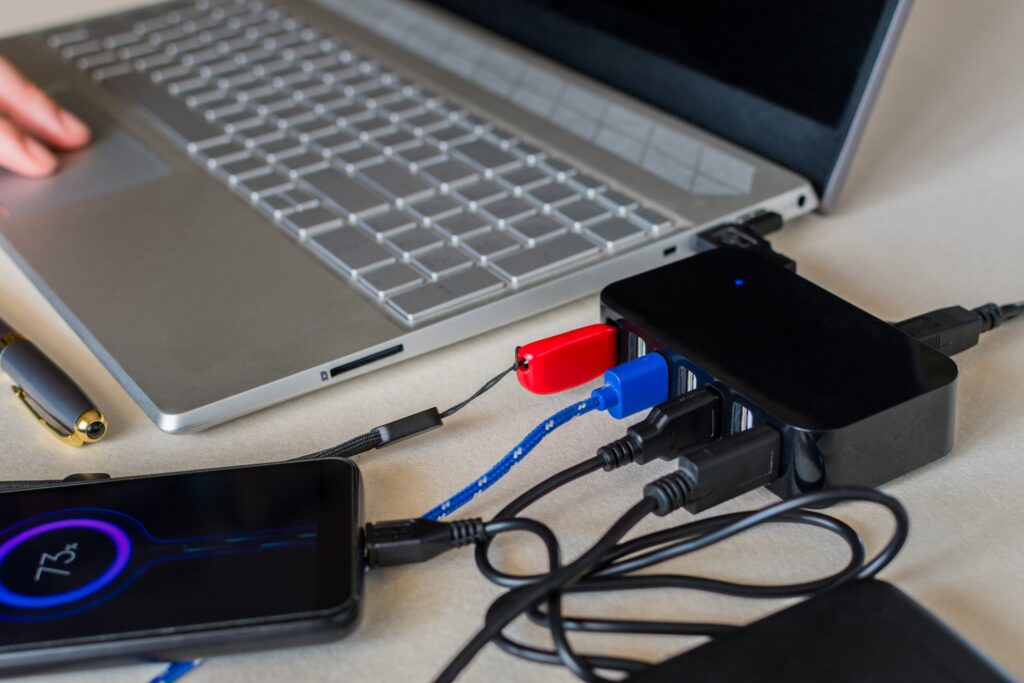
Only the table and chair won’t do. Invest in laptop risers (if you use a laptop), and for monitors, you can invest in wall-mount stands for monitors. Wireless keyboards and mouse should be in your tech stack list because managing tangled wires isn’t easy to deal with, and have USB hubs to keep your desk sleek and functional.
Remember, the most important thing is your Wi-Fi speed and overall setup. It’s the foundation of all remote work. Consider it your workflow’s lifeline.
5. Keep It Organized, Keep It Efficient
Cluttered desk = cluttered mind. If I talk about myself, my OCD doesn’t let me focus without an organized desk. So, I always keep it aligned before starting my work so that I don’t get distracted or annoyed by it.
You can use shelves, file organizers, cable trays, and drawer units to keep your workspace neat. Set up a perfect home office with built-in storage or nearby cabinets will help you avoid digging through drawers or piles of paper mid-task.
Try this: At the start and end of each day, take 3 minutes to reset your space. It’s a small habit that makes a big difference.
6. Control Distractions Like a Pro
Working from home comes with its own set of challenges, like the fridge calling your name or a rabbit hole of tabs you “accidentally” opened. Or something from 5 years ago started a combat within your thoughts. It’s natural and it happens. However, we must try to combat these distractions by set up a perfect home office:
Time-blocking techniques (Pomodoro works wonders)
5 minutes of focused breathing techniques (just inhale from the nose, exhale from the mouth, with your eyes closed)
Use website blockers during deep work sessions
Keep your phone on silent and upside down so that you don’t check it every 5 seconds
Noise-reducing accessories like noise-cancelling headsets or you can use foam earplugs, mostly used for sleeping with reduced surrounding noises, but you are not going to use them to sleep on your work desk, ok? Use them as noise reduction buds
A focused environment = more done in less time. That’s what a productive home office setup is all about.
7. Add Personality And Inspiration
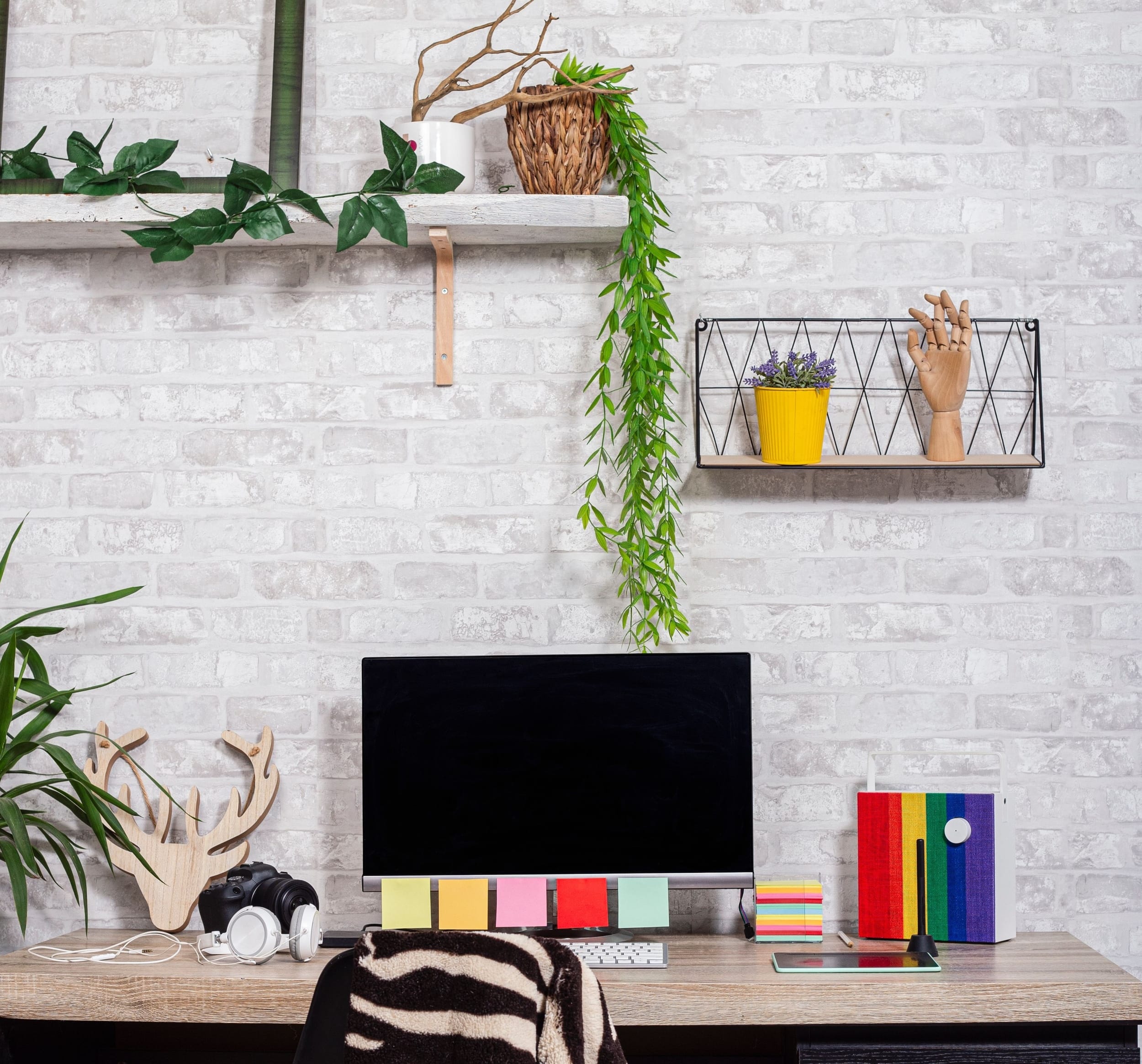
Don’t forget the final, but a fun step, which is making the space yours. Own it, nurture it so that you feel comfortable and productive in that environment. A workspace should be more than functional, it should spark joy and motivation. Think motivational quotes, your favorite artwork, or a splash of color that lifts your mood. These small touches can make a big difference in how energized and focused you feel. Personalizing your space is a powerful way to setup a perfect home office that inspires creativity and drive every day.
An indoor plant or two to freshen up the vibe. It helps you feel refreshed and calm
Motivational art, calming color schemes, or minimalist design, anything that aligns with your personality and preferences
Ambient lighting or a stylish lamp for mood and flair
If you are a collector of figurines, you can also put your favorite ones to make it more fun
The more you enjoy your surroundings, the more time you’ll want to spend there, and the easier it becomes to stay productive.
A well-designed workspace not only boosts motivation but also helps maintain a clear boundary between work and personal life. Add elements that reflect your personality—art, plants, or inspiring quotes—to make the space uniquely yours. Keep it tidy and clutter-free to encourage focus and clarity. When you set up a perfect home office, you create a space that supports both your professional goals and personal comfort. Taking the time to set up a perfect home office can transform how you feel about work every single day.
8. Maintain Work-Life Balance While You Set Up a Perfect Home Office
When you set up a perfect home office, it’s easy to blur the lines between work hours and personal time. To maintain balance, create a routine that signals the start and end of your workday. Simple actions like shutting down your computer, changing your clothes, or stepping outside for a walk can help you mentally disconnect from work and recharge effectively.
9. Revisit and Refresh Your Setup Regularly to Set Up a Perfect Home Office
Your needs and work habits will evolve, so regularly evaluating your setup ensures it still serves you well. Rearranging furniture, updating equipment, or even changing your wall art can reignite motivation. When you set up a perfect home office and revisit it often, you keep your workspace dynamic, efficient, and aligned with your goals.
10. Prioritize Health and Wellness as You Set Up a Perfect Home Office
While you set up a perfect home office, don’t overlook your physical and mental health. Incorporate habits like stretching, standing breaks, and staying hydrated. You can also keep a yoga mat nearby or use a balance ball chair occasionally to keep your body active and your posture in check throughout the day.
11. Budget-Friendly Ways to Set Up a Perfect Home Office
You don’t need to break the bank to set up a perfect home office. Look for second-hand furniture, repurpose items you already own, and gradually upgrade your space over time. Focus on essentials first, like a good chair and lighting, then add in accessories and decor as your budget allows.
Final Thoughts On Set Up a Perfect Home Office
There you have it, a blueprint to set up a perfect home office that’s functional, inspiring, and productivity-ready.
From optimizing ergonomics and lighting to managing tech and keeping distractions in check, each detail plays a role in building the best home office setup for productivity.
Ready to revamp your space? Start with one tip and build up over time. And if this guide helped you, feel free to share it with your fellow remote warriors. This is just a foundation for you to think and start. I am sure you can enhance it further by adding additional things.
Remember, the goal is to create a space that works for you—one that supports your workflow, boosts focus, and feels good to be in. Don’t hesitate to tweak and personalize as you go. Whether you have a whole room or just a corner, you can set up a perfect home office tailored to your needs. With consistency and creativity, you’ll find it easy to set up a perfect home office that truly elevates your work-from-home experience.
Subscribe to WhatWorksNext today and join a community dedicated to transforming the way we work. Working smarter starts here!
Get Remote Work Tips in your Inbox
Join our newsletter for expert tips on remote work, high-paying careers, productivity hacks, and work-life balance.