Tag: remote work

  • Where Americans Are Moving As Remote Work Changes in 2026

    Where Americans Are Moving As Remote Work Changes in 2026

    If you feel like your neighbor just packed up a U-Haul and headed for the hills, you aren’t imagining it. We are currently witnessing a massive migration shift as remote work changes the very fabric of where we choose to call home in 2026. The “Great Relocation” didn’t stop after the pandemic; it simply matured into a calculated, lifestyle-first movement that is redrawing the map of America. 

    Gone are the days when a high-paying career meant being tethered to a gray cubicle in Midtown Manhattan or a tech campus in Silicon Valley. Today, the office is wherever you open your laptop, and for millions of American remote workers, that place looks a lot different than it did three years ago.

    The New Map: Where Everyone is Heading

    The data from early 2026 is clear: Americans are trading the “cool factor” of expensive coastal hubs for the “quality of life” factor in the Sun Belt and Mountain West. States like South Carolina, Texas, and Tennessee are seeing a massive influx of new residents. South Carolina actually led the nation in net migration per capita recently, gaining nearly 80 new residents for every 10,000 people.

    Why the sudden love for the Palmetto State or the plains of Idaho? It’s the “Affordability Arbitrage.” People are taking their big-city salaries and moving to places where a mortgage doesn’t eat 60% of their take-home pay. In 2026, the trend has moved beyond just saving money; it’s about “Right-Sizing.” We see people moving to “Zoom Towns,” smaller, amenity-rich cities like Myrtle Beach, SC, or Boise, ID, where they can have a backyard, a home office, and a hiking trail within a ten-minute drive.

    The Rise of the “Hub-and-Spoke” Lifestyle

    While fully remote roles are still highly coveted, remote work in 2026 has largely settled into a sophisticated hybrid model. About 76% of companies now use a “3-2” approach—three days in, two days out. This has created a fascinating “Intrametro” migration. Instead of fleeing the state, many workers are moving further into the suburbs or “exurbs” of their current cities.

    If you only have to commute twice a week, a 90-minute drive suddenly feels doable. This is why we see explosive growth in places like New Braunfels, Texas, or Leander, outside of Austin. These areas offer the peace of the countryside with the safety net of the city nearby. Companies are following suit, ditching massive downtown headquarters for smaller, tech-forward satellite offices closer to where their employees actually live.

    Beyond the Border: The Global Nomad Boom

    For a specific segment of the population, the 50 states aren’t enough. We are seeing a record number of American remote workers looking toward the horizon. Countries like Portugal, Spain, and Mexico have become the “new suburbs” for those with the ultimate flexibility.

    Portugal’s D7 visa and Mexico’s welcoming expat hubs like Mérida are attracting thousands of families who want a slower pace of life. Imagine coding your next software update while looking at the Mediterranean or the Oaxacan mountains. With over 18 million Americans now identifying as digital nomads, the link between earning and geography has been officially severed.

    Why the Shift is Permanent?

    You might wonder if the “Return to Office” (RTO) mandates will eventually pull everyone back. The short answer? Not really. While some CEOs are making noise about full-time office work, the market has already spoken. Recent studies show that productivity actually increases by about 13% in remote settings due to fewer distractions and less “commute fatigue.”

    Furthermore, remote work changes the power dynamic of hiring. In 2026, if a company refuses to offer flexibility, they simply lose the talent war. Over 40% of employees say they would quit on the spot if forced back to a desk five days a week. For the modern professional, autonomy is the new currency.

    Top Destinations to Watch in 2026

    If you are looking to make a move, here are the cities currently winning the remote work lottery:

    1. Austin, TX: Still the king of tech-meets-culture, though people are moving to the outskirts like Katy and Cypress for more space.
    2. Huntsville, AL: A surprising dark horse with a booming tech scene and incredibly low cost of living.
    3. Denver, CO: For the “Laptop and Latitude” crowd who want the Rockies as their backyard.
    4. Charlotte, NC: The perfect balance of big-city infrastructure and Southern affordability.
    5. Myrtle Beach, SC: Leading the pack for those who want the ocean breeze without the California price tag.

    The Human Side of the Move

    At the end of the day, this migration isn’t just about spreadsheets and tax breaks. It is about a fundamental shift in the American Dream. We are no longer living to work; we are working to live. People are moving closer to aging parents, seeking out better school districts for their kids, or simply finding a community where they feel they belong.

    The remote work in 2026 landscape rewards the bold. It rewards the people who realize that they don’t have to wait for retirement to live in their favorite vacation spot. Whether it’s a cabin in the woods or a condo in a “middle-tier” city with a thriving coffee shop scene, the options are endless.

    How to Prepare for Your Move

    If you’re thinking about joining the millions of Americans on the move, here are three quick tips:

    • Check the “Digital Infrastructure”:
      Don’t just look at the view; check the fiber-optic availability. A beautiful mountain cabin is a prison if the Wi-Fi keeps dropping during your Zoom presentations.
    • Test the “Third Places”:
      Before you buy, spend a week there. Visit the local libraries, coworking spaces, and cafes. You’ll need these “third places” to stay sane when you need a break from your home office.
    • Understand the Tax Implications:
      Moving across state lines (or international borders) can get messy with taxes. Make sure your employer is on board with your new “tax home” to avoid a headache next April.

    Final Thoughts

    The world of work has changed forever, and the map of America is changing with it. We are entering an era where your zip code is a choice, not a requirement.

    So, where will your laptop take you next? The road is open, the Wi-Fi is getting faster, and the best version of your life might be just one relocation away.

    Subscribe to What Works Next today and join a community dedicated to transforming the way we work. Working smarter starts here!

  • How to Boost Remote Work with AI to Supercharge Workplace Productivity

    How to Boost Remote Work with AI to Supercharge Workplace Productivity

    Remote work has become a pillar of modern work culture, changing how companies hire, operate, and grow. Today, millions of people prefer this setup because it gives them flexibility, comfort, and focus. But beyond comfort lies something even more powerful! 

    When you pair remote work with smart AI, you unlock a new level of workplace productivity. Employees and companies both are discovering this in real time, and the results can change how we all work in the next decade.

    Before we go deep, let’s look at what the world is signaling right now about remote work and AI. Some recent data suggests that remote work offerings may be declining in certain markets, which ironically could reduce opportunities for people who thrive remotely outside traditional offices. Researchers are urging policymakers to protect and promote more remote roles because they can boost well-being, focus, and productivity for many workers. Remote work remains essential for thousands of people who perform better outside traditional office environments.

    Why Remote Work and AI Make a Perfect Pair for Productivity

    Remote work gives people more control over their surroundings and schedule. Studies find that working outside the office can reduce burnout and help with mental focus, which naturally supports deeper work and fewer distractions.

    But to truly lift workplace productivity, remote work benefits need support. This is where AI enters. AI allows teams to work smarter, not harder. It takes over repetitive tasks, brings clarity to workload management, and gives people back hours of their time every week.

    Employees who use AI frequently are rising quickly. In 2025, total AI usage among remote-capable employees grew to two-thirds of the workforce, with strong growth in frequent use. Leaders use AI more often than others.

    This adoption does not happen overnight. It requires culture, training, experimentation, and deliberate workflows. But the early evidence we have shows a clear trend. People who use AI consistently in remote work feel more productive and more empowered to focus on the work that matters most.

    The Power of AI for Workplace Productivity

    Let’s unpack what AI brings to the table for remote teams:

    1. Automation of Busywork Saves Time

    One of the clearest ways AI spurs productivity is by handling repetitive or administrative tasks. AI tools can write drafts, sort data, summarize documents, and manage calendars without human intervention. This means remote workers spend less time on routine tasks and more time on higher-value work. In fact, a study shows employees with access to generative AI spent about 25 percent less time handling email and admin work.

    This creates a huge shift in what people actually do during a workday. Instead of administrative detail, time gets freed up for strategy, planning, and creative thinking, the kind of work machines cannot do.

    1. Smart Scheduling and Time Management

    Remote teams often face scheduling challenges because of time zone differences, asynchronous work, and dispersed calendars. AI scheduling assistants solve these problems by suggesting optimal meeting times, rearranging conflicts, and even learning your preferences over time.

    This reduces stress and saves hours that would otherwise be lost adjusting time blocks. When people are less burdened by manual scheduling, their attention turns back toward meaningful outcomes.

    1. Better Communication Across Distances

    Remote work depends on clear communication. AI tools are now elevating collaboration platforms with automatic transcription, real-time language support, grammar help, and consensus summaries that keep teams aligned. When teams stay aligned, projects move faster, and decision-making becomes smoother.

    This kind of smooth communication is vital to maintaining workplace productivity in remote setups where people may never sit in the same room.

    1. Data and Insight-Driven Decisions

    AI can analyze patterns, spot trends, and give team leads recommendations on how to improve workflow based on data. It takes information that is too large for humans to process and turns it into actionable, bite-sized insights.

    Leaders who take advantage of AI insights can optimize schedules, streamline priorities, and understand performance gaps with more precision than ever before.

    1. Personalized Productivity Support

    AI now supports individual work styles. It can suggest personal work patterns that heighten focus, recommend breaks for mental refresh, or surface recurring productivity bottlenecks. By guiding individual productivity routines, AI helps people perform at their best, whether they are at home, in a cafe, or halfway around the world.

    This personal support is key because remote work often lacks the structure of office environments. AI fills that gap in real time!

    Balancing Optimism with the Realities of AI Adoption

    While AI can uplift productivity, not every company sees immediate game-changing results. Some surveys find that many firms using AI do not yet see strong productivity gains, and the impact on employment levels remains subtle so far. Leaders and researchers point out that adoption without strategy rarely produces meaningful change.

    Meanwhile, firms that encourage or even enforce AI usage tend to show stronger internal acceptance and return on investment. AI fluency is becoming part of performance reviews and career progression conversations at tech companies that depend on innovation.

    It is also important to be cautious about over-reliance on AI to do intellectual work. Experts warn that too much dependency can weaken core skills and reduce confidence if not paired with ongoing learning and human oversight.

    So the goal is not to replace human work with AI. The goal is to transform your work in ways that increase real productivity and personal satisfaction!

    8 Actionable Ways to Boost Workplace Productivity with AI in Remote Work

    Here are practical steps you can take right now:

    1. Select the Right AI Tools

    Not all tools are suitable for every team or job function. You need to look for AI that integrates with your remote tools, such as calendars, chat platforms, project management apps, file systems, and your overall workflow and needs. Good tools include scheduling AI, automated meeting summaries, task prioritization tools, and smart research assistants.

    1. Train Your Team on AI Skills

    Learning how to use AI effectively should be part of your remote work culture. Offer clear training and encourage experimentation so your team feels confident, not intimidated.

    1. Automate Repetitive Tasks First

    Start with automating what irritates people most, such as routine emails, data entry, draft writing, and scheduling. Freeing up time begins with taking away repetitive work.

    1. Focus on Outcomes Instead of Hours

    Measure productivity by results, not hours logged. When you give people flexibility to deliver results, they organize their time more effectively.

    1. Blend AI with Human Strategy

    Use AI to augment your decisions, but let humans remain in strategic leadership roles. Humans are still better at emotional intelligence, ethical judgment, and nuanced problem-solving.

    1. Monitor Collaboration Patterns

    Use AI insights to see where communication bottlenecks occur and adjust team workflows accordingly.

    1. Protect Well Being

    Remote work and AI can blur work-life boundaries. Encourage breaks, time off, and clear expectations so productivity does not come at the cost of personal well-being.

    1. Align Leadership and Team Goals

    Make sure leaders and teams understand why productivity matters and how AI helps achieve shared goals before adoption begins.

    The Future of Work Is Here – It Is Remote and Enhanced by AI

    Looking forward, employees around the world are increasingly confident that AI will make traditional offices less necessary. A large share of the workforce sees this transformation as positive and inevitable.

    This means that mastering remote work and AI skills now is not just a competitive advantage. It is becoming a core professional skill set that will define workplace success in the 2020s.

    Remote work continues to offer freedom and focus. AI continues to offer efficiency and insight. Put them together, and you have the fuel for dramatic productivity gains supported by data, practice, and real-world momentum.

    The future of work is not just about tools and flexibility. It is about how people work smarter, collaborate better, feel more empowered, and deliver more value in less time.

    Start experimenting with AI tools today, refine your workflows, and put your team in a position to thrive in the most productive era humanity has ever seen.

    Final Thoughts

    Over the past few years, the way we work has quietly but fundamentally changed. What once felt experimental now shapes how companies hire, collaborate, and measure success.

    When remote work meets AI, productivity stops being about longer hours and starts becoming about smarter systems. Teams gain flexibility, leaders gain insight, and results become easier to scale.

    The real advantage lies in using these tools intentionally. Build clear processes, train your people well, and focus on outcomes. That is how modern workplace productivity moves forward.

  • What does Gen Z think of Remote Work?

    What does Gen Z think of Remote Work?

    Remote work transformed how the world works, and many people now expect it as part of modern employment. But when it comes to Gen Z workers, the story is not what you might expect. This generation entered the workforce at a time when remote work was booming, and yet they offer a surprising perspective on how work should look. 

    We will talk about what Gen Z employees think about remote work, backed by the latest research and trends shaping workplace culture.

    The Unexpected Truth About Gen Z and Remote Work

    When companies rushed into remote work during the pandemic, the assumption was that Gen Z would embrace it more than any other group. After all, they grew up with technology, digital communication, and flexible learning environments.

    However, the latest data reveals a different picture: only a minority of Gen Z workers say they want to work fully remotely all the time. According to a Gallup survey, just 23% of remote-capable Gen Z employees in the U.S. prefer fully remote work, compared with about 35% across older generations. This makes Gen Z the generation least likely to choose fully remote roles.

    Research shows that Gen Z prefers working in a mix of environments and, in many cases, favors hybrid or in-person work arrangements. This doesn’t mean they reject remote work entirely. Instead, they want a smarter approach that combines flexibility with connection and professional development.

    Why Many Gen Z Workers Prefer Hybrid and In-Person Settings

    Several factors help explain why Gen Z employees don’t overwhelmingly choose fully remote work.

    1. Connection and Social Interaction Matter

    Even though Gen Z grew up online, they value in-person connection at work. Some surveys indicate that more than half of Gen Z workers say they work better with real human interaction and feel more productive around colleagues. Around 57% of Gen Z employees prefer in-person jobs, while only about 27% favor fully remote roles.

    Remote work can lead to feelings of isolation, and studies show Gen Z reports higher levels of loneliness than older age groups. That can make fully remote work less appealing, especially when compared with hybrid work that includes regular office time.

    2. Career Growth and Mentorship Are Key

    Gen Z employees are early in their careers, and many feel that in-person environments help them develop professionally. They want access to mentorship, real-time feedback, and informal learning moments that can be harder to replicate in a remote setup. This desire for connection supports hybrid models where remote work is balanced with structured office interaction.

    3. Flexibility Without Isolation

    While fully remote work might feel isolating, many Gen Z workers still value its benefits. A large percentage find workplace flexibility essential when considering job opportunities. One report found that about 65% of Gen Z see flexibility in remote or hybrid models as the most important factor they look for in a job.

    This means Gen Z wants freedom without sacrificing opportunities for connection and growth. A hybrid approach delivers this balance: work from home sometimes, work in the office when it enhances collaboration or helps build career skills.

    Hybrid Work Is the “Best of Both Worlds”

    The most consistent trend across multiple studies is that Gen Z thrives in hybrid work arrangements. Hybrid work allows Gen Z employees to manage their time, reduce commuting stress, and control their work environment while still being present in the workplace for key interactions and team dynamics.

    Hybrid work gives Gen Z the structure they need without forcing them into full-time office hours. It supports mental well-being through flexibility while supporting professional growth through face-to-face opportunities. Gen Z’s preference for hybrid setups may help explain why remote work remains popular, but fully remote roles are not as widely chosen as expected. 

    What Employers Can Learn From Gen Z’s View of Remote Work

    Employers looking to attract and retain top Gen Z talent must rethink how remote work is offered and structured.

    Prioritize Flexibility and Choice

    Instead of rigid remote or office requirements, allowing employees to choose where they work based on tasks can be a powerful strategy. Gen Z workers want autonomy over when and where they complete their work, as long as they still feel connected and engaged.

    Offer Professional Development Opportunities

    Gen Z employees care deeply about career growth. Remote work should never reduce access to learning, mentorship, or networking. Employers can design hybrid schedules that include collaborative days focused on professional development.

    Build Community and Culture

    Gen Z wants a workplace where they feel part of something larger. Regular in-person events, mentorship programs, and team building help build cultural connections that remote work alone can’t create.

    The Future of Remote Work and Gen Z

    Looking ahead, remote work will continue to evolve. Gen Z’s preferences are shaping how companies think about workplace strategy. Rather than fully remote or fully in-office models, hybrid work stands out as the most appealing structure for this generation.

    Workplaces that embrace flexibility while fostering connection and growth will attract and retain more Gen Z employees. Remote work remains a valued part of the work ecosystem, but it works best when combined with opportunities for real-world interaction and engagement.

    As employers adjust policies and people rethink their careers, the role of remote work is becoming more refined. Gen Z’s attitudes highlight that the future of work includes remote work, but in ways that support community, professional development, and quality of life.

    Final Thoughts

    Gen Z workers did not reject remote work. They simply see it as one part of a broader work experience that also values interaction, mentorship, and development. Remote work matters, but not in isolation. It works when employees can blend flexibility with connection and growth.

    Understanding this balanced view of work helps companies build workplaces that are effective, engaging, and welcoming to the next generation of professionals. It also shows that remote work will persist, but as a flexible option within a larger workplace strategy.

    Subscribe to What Works Next today and join a community dedicated to transforming the way we work. Working smarter starts here!

  • Portable Office 2026: Building Your Travel-Ready Workspace

    Portable Office 2026: Building Your Travel-Ready Workspace

    Digital nomads in 2026 are proving that with the right gear and setup, the world can be your workplace. The rise of remote work and “work-from-anywhere” culture means a portable office is no longer a luxury. It has become a necessity for anyone hopping between countries or coffee shops. 

    In fact, an estimated 40 million people now live as digital nomads globally. Whether you’re planning your first trip or are a seasoned wanderer, setting up an efficient, lightweight office-on-the-go will keep you productive and comfortable.

    We’ll share practical digital nomad tips for optimizing your portable workspace. From clever gear choices to community-driven hacks, so you can work effectively from Bali beaches, Alpine cabins, or wherever the next adventure takes you.

    2026 Remote Work Trends

    Remote work has exploded into the mainstream by 2026. Over 70 countries now offer special nomad visas for remote workers, and companies big and small have embraced flexible work arrangements. The stereotype of a backpacker coding from a café is evolving. Modern nomads include families and professionals of all ages. 

    Many are opting for longer “slowmad” stays of 3-12 months in one spot to avoid burnout and build routine. With this lifestyle shift, having a reliable portable office setup is more important than ever. Companies recognize that location independence can boost productivity, not hinder it. In short, you’re free to swap the cubicle for a beach or mountain lodge, but you’ll need the right tools to stay productive on the move.

    Crucially, technology has caught up to nomadic needs. Connectivity is less of a limiting factor now – global eSIMs, multi-carrier hotspots, and even satellite internet options (like Starlink) keep you online from virtually anywhere. This means your portable office can function on a remote island or a national park, not just in city centers. Likewise, the ecosystem of gear tailored to mobile workers has boomed. Ergonomic portable laptop desk solutions, compact monitors, and noise-canceling tech are making “working from anywhere” far more comfortable than it was a few years ago. 

    A recent 2025 report put it well: ubiquitous high-speed internet and powerful mobile devices have essentially put “the world’s office in your backpack”.

    Portable Office Gear Essentials

    Staying productive on the road starts with packing the right gear. You’ll want to balance lightweight and compact with comfort and functionality. Here are the portable office essentials that experienced nomads and community forums recommend:

    • Ergonomic Laptop Stand (Portable Laptop Desk)

    Hunching over a laptop all day can wreak havoc on your neck and back. A lightweight folding laptop stand (sometimes called a portable laptop desk) will elevate your screen to eye level for better posture. 

    Popular options in the nomad community include the Roost Stand and Nexstand. The Nexstand riser weighs only 8 ounces but can raise your laptop to a proper height. Another clever choice is the MOFT Z foldable desk, which is under 1 lb and folds flat like a magazine. Despite its slim profile, the MOFT Z can prop your device at multiple angles (even a standing height) and support up to 22 lbs. 

    • Secondary Monitor for Multitasking

    If you’re used to dual monitors at home, you’ll be thrilled to know you can carry that convenience with you. Slim portable monitors have become widely available and travel-friendly. Look for a 14-16″ lightweight screen (3 pounds or less) that connects via a single USB-C cable for power and display. For example, the Arzopa S1 is a 15.6″ Full HD portable monitor that’s thinner than a notebook. 

    Asus’s ZenScreen and the Lepow 15.6″ are also popular choices. Some enterprising nomads even go for triple-screen laptop setups – yes, some gadgets attach two extra screens to your laptop for a full cockpit of displays! (You may catch YouTube creators showing off these wild portable desk setups.) For most, a single portable monitor is a game-changer for productivity, letting you run spreadsheets on one screen and video chat or code on the other. 

    • Power Solutions (Chargers and Batteries)

    Working from different locations each day means you can’t always bet on finding an outlet. A high-capacity power bank is a must-have for keeping your laptop and phone charged during long work sessions or flights. Aim for 10,000-20,000 mAh with USB-C Power Delivery support for fast charging. This will reliably top up a laptop or multiple smaller devices. Brands like Anker make 20,000+ mAh banks that can even handle power-hungry MacBooks. Also, consider carrying a compact travel power strip or plug adapter if you’re visiting countries with different electrical outlet types.

    • Connectivity and Internet Tools

    Ask any remote worker about their number-one concern, and you’ll hear “Wi-Fi!” Reliable internet is the lifeblood of a portable office. Luckily, staying connected in 2026 is easier than ever. Always have a plan A, B, and C for the internet:

    • Plan A – Use local Wi-Fi at coworking spaces, cafes, or your accommodation. Many Airbnb hosts now advertise high-speed Wi-Fi, and coworking hubs around the world cater to nomads needing solid internet.
    • Plan B – Carry your own mobile data. An unlocked mobile hotspot (MiFi) with a local SIM or an international eSIM can save your bacon when Wi-Fi is slow or nonexistent. Multi-network hotspots that auto-switch between carriers are ideal for country-hopping. Some services offer eSIM packages covering dozens of countries.
    • Plan C – Satellite internet for extreme cases. If you plan to work from truly remote areas, consider something like Starlink Roam, which can deliver broadband via satellite. It’s pricey and bulky, so this is overkill for most people, but it’s a game-changer for those who really roam off-grid.

    Coworking, Habits, and Workspace Hacks on the Road

    Gear is only half the equation. The other half is how and where you use it. The digital nomad community has learned a lot about optimizing work habits away from a traditional office. 

    One key tip is to leverage coworking spaces wherever possible. Coworking hubs in cities like Mexico City, Lisbon, or Chiang Mai not only provide reliable desks and Wi-Fi, but also a ready-made community to plug into (antidote to the loneliness of solo travel). Many nomads mix up their week with a few days at coworking spaces for structure and networking, and other days working from “home” (hotel/Airbnb) or interesting public spots for variety. This balance can keep you productive and inspired.

    When working from an Airbnb or hotel room, take a few minutes to set up an ergonomic nook. Prop your laptop on that portable stand, plug into an external keyboard if you have one, and use a chair with back support (even if it means piling pillows behind you). If you must work from bed or a couch occasionally, a foldable lap desk can create a stable surface and help avoid the dreaded hunch. (Nomads in RVs and vans swear by these lap desks. They’re lightweight and stash easily.) 

    Another habit to cultivate is a consistent routine, even as your scenery changes. It might sound boring, but having set “office hours” or a morning ritual can anchor your day amidst the travel chaos. Maybe that means always starting work at 9 am after a walk, regardless of time zone. 

    Routines help maintain productivity on the road and keep work from bleeding into vacation mode entirely. On the flip side, remember to take advantage of your freedom – schedule breaks to explore your new locale. The beauty of a portable office is that you can close the laptop and be on a hiking trail or city tour in minutes. Just plan your workload around those adventures (procrastination is a bigger risk when nobody’s looking over your shoulder).

    Lastly, stay safe and savvy out there. Keep an eye on your belongings in public spaces; a laptop lock can secure your device if you need a bathroom break at a cafe. Use cloud backups or an external drive so your files are safe even if a device is lost or stolen. And tap into online communities for digital nomad tips on your destination. Often you’ll find a goldmine of info on the best SIM card to buy, which cafés have the strongest Wi-Fi, or where to rent a desk with a monitor. Nomad Facebook groups, subreddits like r/digitalnomad, and Nomad List forums are excellent resources to get the inside scoop on a location before you arrive.

    Final Thoughts

    Building a great portable office setup is a one-time effort that pays off every day. With a bit of planning and the right gear, you really can be effective from anywhere. One day it might be a coworking hub in a bustling city, the next day a hammock by the beach. 

    The key is finding the right balance between your tech, environment, and daily routine. Gear up, stay flexible, and embrace the freedom. Your next workstation could be under a palm tree or on a mountain vista, and with the tips above, you will be ready to get real work done from there. Safe travels and happy working.

    Subscribe to What Works Next today and join a community dedicated to transforming the way we work. Working smarter starts here!

  • Remote work is not dead – It’s just not 2021 Anymore

    Remote work is not dead – It’s just not 2021 Anymore

    We aren’t in 2020 anymore, and the 2025 year-end is just around the corner as well. Rumours have been that remote work is dead or will be in 2026 and later. However, from what we have seen and observed via different online discussions, forums, and communities, remote work is not dead. It is simply growing up, but in a different way than before. 

    The last few years have changed how the world works. In 2020 and 2021, companies hired remotely at record speed. Why? Because it was the need of the time.  Many decisions were made quickly and without long-term planning. In 2025, the conversation looks very different. Remote work still exists, but companies now apply it with more structure and purpose. Current remote work trends show a clear shift toward balance rather than extremes.

    What Remote Work Looks Like in 2025 and Beyond

    Recent workforce data from 2025 indicate that approximately one-quarter of professionals in the United States have part-time remote jobs. Whereas, fully remote roles now represent a smaller share than during the pandemic peak, while hybrid roles continue to grow across tech, marketing, creative, operations, and product teams.

    These remote work trends reveal one clear pattern for us. That companies are no longer hiring remotely by default or out of necessity. They now prefer to hire remotely when it makes business sense, aligns with their business goals, structure, and growth path.

    Roles that depend on focus, output, and digital collaboration still perform extremely well outside traditional offices. Marketing, design, engineering, product, and customer success roles continue to thrive through online work from home setups where physical location does not affect results. While it varies business to business, considering the dullness of remote work wouldn’t be wise. 

    Why Remote Work Still Makes Business Sense

    Remote work remains a strong business strategy for several reasons. Here are some that we think still matter:

    1. Companies continue to face talent shortages in key markets. So, hiring globally allows access to senior-level skills that local hiring cannot always provide.
    2. Cost efficiency also drives adoption. Many US companies hire professionals from Europe, South Asia, and Latin America. Why? They often save between 50% and 70% on salaries while maintaining senior-level expertise.
    3. Moreover, employee expectations have shifted permanently. Top talent or not, individuals now demand flexibility and fair compensation. Professionals increasingly prefer roles that support flexible online work from home rather than strict office-based schedules.

    Is the 2021 Remote Work Hype Over?

    Yes, the hype is over. But the concept isn’t!

    The idea that every company would become fully remote did not last. Offices still matter for collaboration, leadership, and culture in many organizations.

    However, remote work itself did not disappear. It has evolved into hybrid and flexible models that reflect modern business needs (which may differ from industry to industry). The updated remote work trends favor intentional policies rather than one-size-fits-all approaches.

    The Bigger Picture

    The big picture is that remote work has transformed into a deliberate business strategy rather than a pandemic need. Most companies use remote work to reduce costs, expand hiring reach, retain top talent, and scale efficiently. Yes, even in 2025!

    On the other hand, employees value flexibility, focus, and global opportunities enabled through remote roles. So, it’s a win-win for both. And so, online work from home, instead of fading, is becoming more selective, sustainable, and results-driven.

    Final Thoughts

    The hiring frenzy of 2021 may be over, but the need for flexibility, global talent, and efficient ways of working remains strong. As businesses mature their models and workers refine their expectations, remote work continues to prove its value. And it is settling into a more balanced and sustainable place that actually works for the long term for both companies and professional individuals. 

    Subscribe to What Works Next today and join a community dedicated to transforming the way we work. Working smarter starts here!
  • Remote Team Onboarding in 2025 and Beyond

    Remote Team Onboarding in 2025 and Beyond

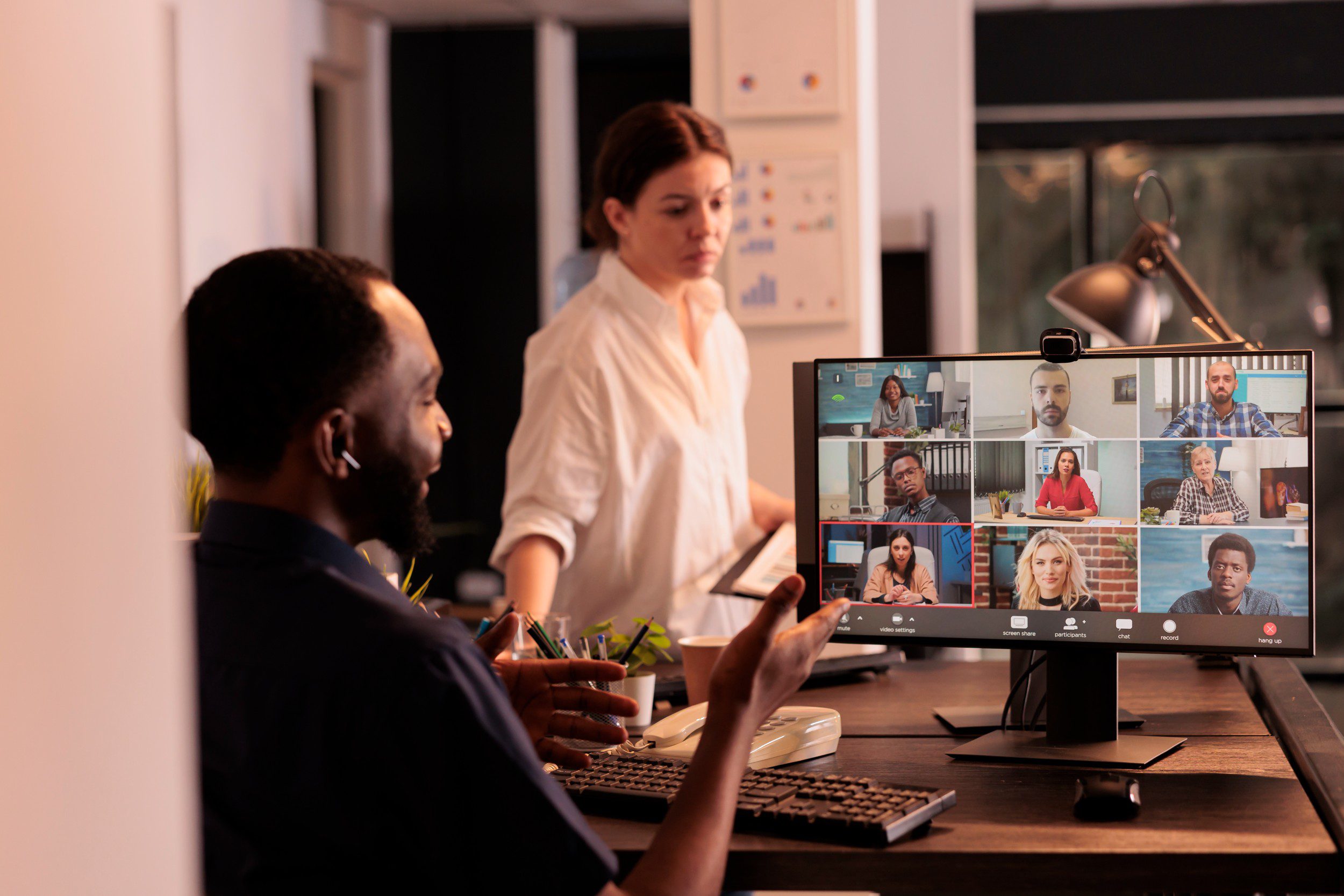
    Remote onboarding has become one of the strongest drivers of remote work culture. Teams no longer rely on offices to transmit values or expectations. Culture now forms through written norms, digital rituals, and early human connections. This matters because remote work is no longer a niche model.

    According to Robert Half’s 2025 hiring outlook, 36% of all US job postings now offer either fully remote or hybrid options, confirming that distributed work has become a permanent operating model.

    At the same time, Microsoft’s 2025 Work Trend Index paints a clear picture of overload. The average employee receives 117 emails and 153 chat messages per weekday, with many workers logging in before 6 a.m. This environment creates friction for new hires unless onboarding actively reduces noise and uncertainty.

    Why Onboarding Now Defines Remote Work Culture

    In physical offices, culture spreads through observation. In remote environments, culture spreads through systems. New hires decide whether they belong within the first two weeks, based on the clarity, responsiveness, and emotional safety they experience.

    Gallup’s 2024-2025 workplace research shows that companies with structured onboarding improve employee retention by up to 82% and productivity by over 70%. Yet only 63% of remote employees say their onboarding prepared them well to succeed, compared with higher satisfaction in hybrid setups.

    This gap explains why remote work culture often feels fragile. Without intentional onboarding, engagement drops quietly instead of failing loudly.

    Preboarding Reduces Anxiety Before Day 1

    Preboarding has emerged as a critical stage in remote onboarding. It sets emotional safety before any meetings happen. Studies referenced by HR research platforms in 2025 show that employees who receive structured preboarding materials feel up to 50% more confident on their first day compared to those who start without preparation.

    Rather than overwhelming hires with documentation, effective teams share a short working guide that explains how decisions happen, how communication works, and what success looks like in the first 30 days. This approach works especially well for global virtual teams, where time zone gaps amplify confusion.

    The First Week should Focus on People, not Platforms

    The first week sets emotional tone. New hires do not need mastery. They need momentum.

    Microsoft’s 2025 data shows that constant meetings and real-time messaging reduce focus and increase stress. Teams that limit live meetings during the first week and encourage async learning report faster ramp-up and higher early satisfaction.

    When onboarding prioritizes human connection over tool walkthroughs, remote work culture feels supportive instead of transactional.

    Weeks Two to Four turn Culture into Daily Behavior

    Culture becomes real when it shows up in everyday work. During weeks 2-4, new hires form habits around communication, feedback, and ownership.

    Gallup reports that employees who form at least three meaningful workplace connections within their first month are significantly more likely to stay engaged long term. This insight matters deeply for virtual teams, where relationships do not form organically through proximity.

    Teams that replace informal office learning with documented workflows and recorded walkthroughs reduce dependency and improve confidence without increasing meeting load.

    The 30 to 90-day Window Defines Identity

    By Day 30, employees should understand how their work connects to company goals. By Day 60, they should own a defined area. By Day 90, they should contribute ideas, not just execution.

    Gallup’s 2025 engagement data shows employees who feel a sense of ownership early are 2.6 times more likely to report high engagement. Teaching others reinforces belonging and strengthens remote work culture across teams.

    This approach aligns closely with modern digital work trends, where autonomy and clarity outperform micromanagement.

    Rituals Replace Office Energy

    Remote teams that sustain culture rely on rituals rather than perks. Gallup identifies loneliness as one of the biggest emotional risks for fully remote employees, even when engagement remains high.

    Simple rituals like weekly demos, written retrospectives, and new hire spotlights create predictability and visibility. Over time, these rituals act as cultural anchors for virtual teams.

    Measuring Onboarding Success in 2025

    Attendance no longer signals success. Behavior does!

    High-performing teams track time to first meaningful contribution, early collaboration frequency, and confidence scores during the first month. These indicators reveal whether onboarding supports a remote work culture or simply transfers information.

    Technology Supports Culture, but cannot Replace it

    AI-driven onboarding assistants and knowledge hubs are expected to continue growing in 2025 and beyond. Industry forecasts suggest over 60% of companies will use AI-supported onboarding tools by 2026. However, research consistently shows technology improves outcomes only when paired with a human connection.

    This balance reflects current digital work trends, where efficiency must coexist with well-being.

    Final Thoughts

    Remote onboarding in 2025 is not an HR checklist anymore. It is a cultural system for better productivity and balance.

    Teams that invest in clarity, connection, and early ownership build a resilient remote work culture, even when everyone works from home. The companies that win the next decade will be the ones that treat onboarding as culture in motion, not paperwork.

    Subscribe to What Works Next today and join a community dedicated to transforming the way we work. Working smarter starts here!

  • Portugal D8 Digital Nomad Visa – Guide for Remote Workers 

    Portugal D8 Digital Nomad Visa – Guide for Remote Workers 

    Portugal D8 Digital Nomad Visa opens a door for remote workers and digital nomads from around the world to live in Portugal and enjoy its vibrant lifestyle. 

    If you crave the freedom to work from anywhere, this digital nomad visa empowers you to transform that dream into reality by letting you do remote work legally while soaking up Portugal’s culture, climate, and charm. 

    In this comprehensive guide, we will break down all the essential details about the Portugal D8 Visa, including eligibility, costs to quality of life, and overall 2025 updates. So, you can decide if Portugal is your next destination for remote work or not. Let’s dig in!

    Quality of Life Attributes in Portugal

    Portugal offers a unique blend of affordability, safety, and lifestyle benefits that make it an attractive destination for remote workers. According to recent data, the country scores well on indices such as cost of living, safety, and overall comfort for expats. 

    • You enjoy a high quality of life without paying Western European-level prices for everyday expenses.
    • The country boasts modern infrastructure, reliable internet, and access to good healthcare systems.
    • Portugal offers a mix of urban energy (cities like Lisbon, Porto) and tranquil coastal or countryside towns. It is ideal for remote workers seeking balance.

    These factors make Portugal a compelling base for those who want to combine professional flexibility with a relaxed, fulfilling lifestyle.

    Quick Facts for Portugal D8 Visa

    • Visa name

    Portugal Digital Nomad Visa (D8 Visa).

    • Eligible for

    Non-EU/EEA/Swiss nationals who work remotely (employed or freelance) for clients or employers outside Portugal.

    • Minimum monthly income (2025)

    €3,480 (equal to four times Portugal’s minimum wage) for a single applicant.

    • Visa options

    The short-term (temporary stay) visa is up to 1 year, with a long-term residence visa leading to a residence permit and potential long stay.

    • Renewal/Permanent stay

    A residence permit can be renewed. A long-term visa can lead to permanent residency or even citizenship after fulfilling requirements. 

    Key Aspects for Digital Nomad Visa Holders (Portugal D8 Visa)

    Holding the Portugal D8 Visa unlocks multiple advantages for remote workers and digital nomads:

    • Flexibility

    Once you get the Portugal D8 Digital Nomad Visa, you can work remotely from anywhere across Portugal. It can be any city, from Lisbon’s historic streets to the Algarve’s beaches or a quiet town inland. Decide where you want to settle in based on your budget, needs, and personal preferences. 

    • Legal Remote Work

    Once you are in Portugal on a digital nomad visa, you can work for foreign employers or clients without needing a local Portuguese employer or sponsorship. This is also one of the prerequisites of this visa type, though. You can’t apply for a Portugal D8 visa if you are working remotely with a Portugal-based company. You need to have a foreign client as a mandatory requirement.

    • Travel Convenience

    Once in Portugal, you can travel freely within the Schengen Area (applicable for most nationalities).

    • Path to Long-term Residence or Citizenship

    For those looking to settle, the long-term route offers a pathway to permanent residency or citizenship after several years.

    • Access to Local Amenities

    You can enjoy co-working spaces, modern infrastructure, good healthcare, and a relaxed lifestyle. Making Portugal attractive for remote workers craving work-life balance.

    2025 Updates: Citizenship Law Change

    In June 2025, the government proposed changes to the nationality law. Under the proposed changes, the minimum residency period required to apply for citizenship may be extended from 5 years to 10 years.

    This means that even if you obtain long-term residency via the D8 Visa, the journey to citizenship could take longer. It also highlights how immigration regulations can evolve, so staying updated is crucial if long-term settlement is your goal.

    What is the Portugal Digital Nomad Visa?

    The Portugal Digital Nomad Visa, officially known as the D8 Visa, is a residence permit designed for remote workers. It allows non-EU/EEA/Swiss nationals to live in Portugal while working for employers or clients abroad, or operating as freelancers, giving them the freedom to work remotely without needing a local job offer.

    Launched in 2022, the visa responds to growing global interest in remote work and enables people to relocate while keeping their work intact.

    Once granted, the D8 Visa provides legal residency, the right to work remotely, and, depending on the path, potential for long-term stay, renewal, and even permanent residency. 

    Requirements and Eligibility Criteria for Portugal Digital Nomad Visa

    To qualify for the D8 Visa, you need to meet several core requirements:

    • Be at least 18 years old.
    • Be a citizen of a non-EU/EEA/Swiss country.
    • Provide a valid passport (with sufficient remaining validity) and passport-size photos.
    • Show proof of remote work: either a foreign employment contract, freelance client agreements, or self-employment documentation.
    • Demonstrate a stable monthly income of at least €3,480 (2025 benchmark) from foreign sources.
    • Provide proof of accommodation, rented or owned property, or a long-term lease.
    • Maintain private health insurance for the duration of stay.
    • Have a clean criminal record and comply with other general visa requirements. 

    Who Qualifies for it?

    The Portugal Digitai Nomand D8 Visa caters to:

    • Remote employees working for overseas employers.
    • Freelancers or independent contractors with international clients.
    • Non-EU/EEA/Swiss nationals seeking to relocate while keeping their source of income outside Portugal.

    If you meet the income, work-source, and documentation requirements, you qualify. Moreover, you can include dependents (spouse, children) in many cases,  provided you meet additional financial thresholds.

    Types of Portugal Digital Nomad Visa (D8 Visa)

    Although officially there is one D8 Visa, applicants can choose between two main pathways depending on their stay duration and long-term goals.

    Temporary Stay Visa (Short-Term)

    • Validity: up to 12 months, with multiple entries.
    • Best for: Those testing life in Portugal, or remote workers who prefer flexibility.
    • Renewal: It can be renewed (though long-term settlement benefits are limited).

    Long-Term Residency Visa (Residence Permit Route)

    • Initial permit: 4-month visa (for entry) that must be converted to a 2-year residence permit upon arrival.
    • Renewal: After the 2-year residence permit, you can renew for another 3 years.
    • Long-term path: After 5 years of continuous residence, you may become eligible for permanent residency and potentially citizenship (depending on law changes and personal compliance).
    • Family reunification: The long-term route often allows bringing spouse, children, or dependents; you’ll need to prove additional financial means.

    Steps for Portugal Digital Nomad Visa Application

    1. First things first, check your eligibility. Ensure that you meet income, work-source, age, and other documentation requirements.
    2. Gather all the mandatory and supporting documents. Valid passport, photos, remote work contract or freelance proof, bank statements (income), proof of savings (if required), rental agreement or accommodation evidence, health insurance, and criminal record certificate.
    3. Apply at the Portuguese consulate or via an authorized visa center within your city/country.
    4. Once you receive your visa, travel to Portugal within the given validity period.
    5. Convert to a residence permit (if opting long-term route). Register with Portuguese authorities (e.g., tax number, address), and apply for a residence permit within the allowed timeframe. 
    6. Optional: Get yourself registered for local necessities and perks.  Open a Portuguese bank account, get a NIF, and register for healthcare if needed.
    7. Make sure to maintain your visa requirements. Continue remote work, meet income threshold, renew permit when needed, and comply with local laws.

    Cost of Living in Portugal as a Digital Nomad

    Portugal remains relatively affordable compared to Western European standards. While living costs vary depending on city and lifestyle, many remote workers find a balance between comfort and cost. The D8 Visa site cites a cost-of-living index and favorable safety and climate indices for Portugal. 

    Rent, food, transportation, internet, and utilities are reasonable, especially outside major city centers. Many digital nomads live comfortably while enjoying cafes, coworking spaces, and an outdoor lifestyle without overspending.

    For remote workers seeking a good balance of quality of life and living expenses, Portugal offers a strong proposition.

    Portugal Digital Nomad Visa Costs

    • Visa application fee: In 2025, the National D Visa fee (which covers D8) increased from €90 to €110 per applicant.
    • Residence permit card fee: Additional fee after arrival (varies depending on processing).
    • Document translation, notarization, health insurance, and other related costs, also expect extra expenses (e.g., translation, insurance, travel).

    Altogether, preparing for the application may involve higher upfront costs, but considering legal residency, remote-work flexibility, and Portuguese lifestyle perks, many find it worth the investment.

    Final Thoughts

    If you dream of remote work combined with sunlit streets, ocean-breeze afternoons, and a relaxed European lifestyle, the Portugal D8 Digital Nomad Visa offers a compelling pathway. It grants legal residency, the freedom to work from anywhere in Portugal, and a potential route to long-term stay or even citizenship (depending on future law).

    Requirements remain clear and accessible for many remote workers. A steady foreign income (up to €3,480/month), proof of remote employment, accommodation, and basic documentation. Overall cost of living has increased slightly in 2025, but the benefits, quality of life, flexibility, travel freedom, and European access make it an attractive option.

    For anyone seeking to work from anywhere while enjoying a vibrant European base, the Portugal Digital Nomad D8 Visa stands as a top choice. 

    Subscribe to What Works Next today and join a community dedicated to transforming the way we work. Working smarter starts here!
  • The Rise of the Digital Nomad 2025: Best Destinations and Remote Work Visas

    The Rise of the Digital Nomad 2025: Best Destinations and Remote Work Visas

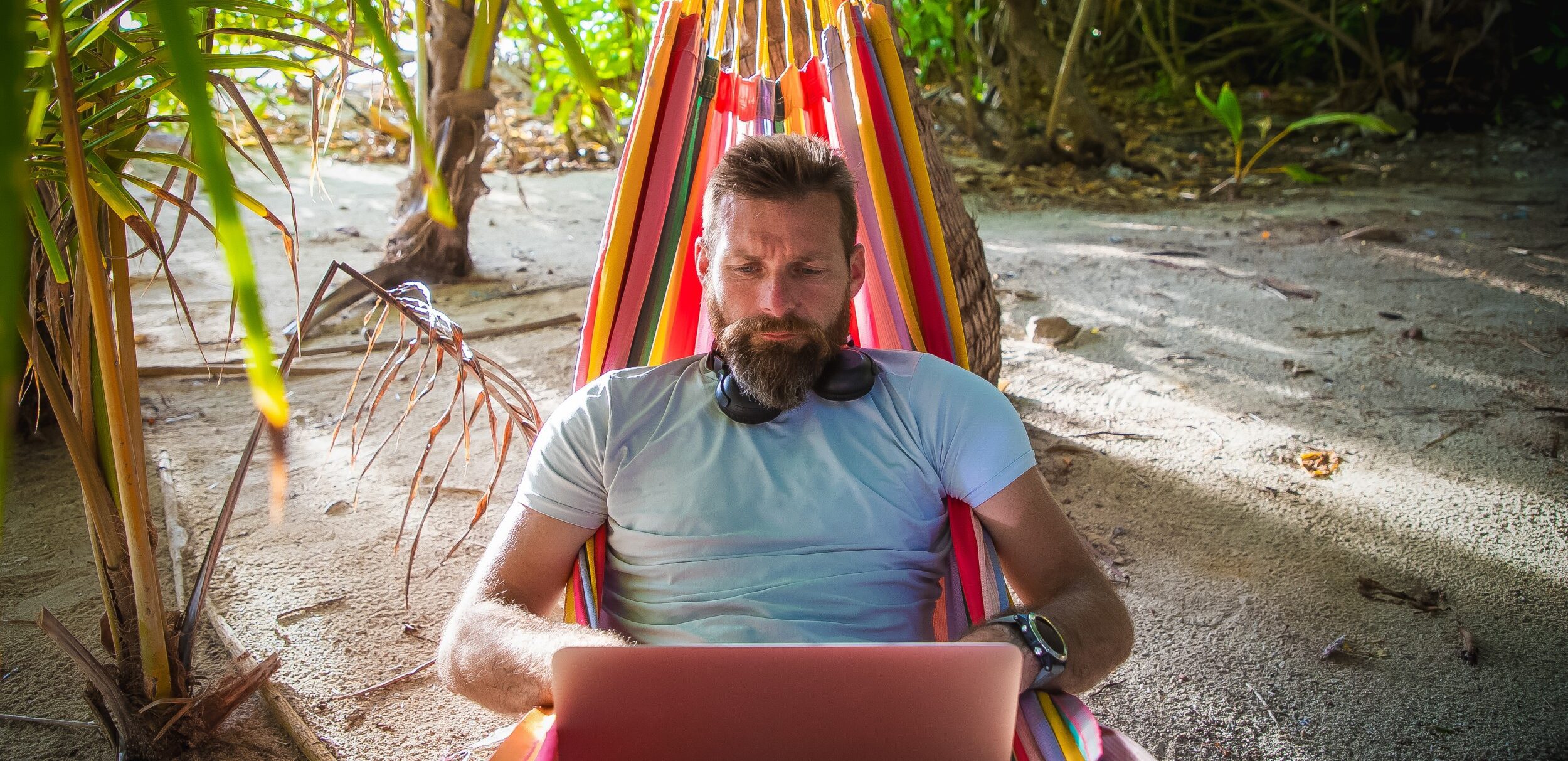
    The rise is there – whoever says remote work is vanishing isn’t aware of the real stories out there. If you’re chasing top-tier digital nomad jobs, now is your moment!

    Remote workers are choosing to work from anywhere because the companies they work with also support it. The momentum behind this shift is massive. As part of the wave of evolving digital work trends, location-independent careers are becoming mainstream rather than fringe. Businesses want reliable, smart, and accountable resources. Similarly, individuals working remotely seek remote-friendly, open-minded, and supportive companies to work in.

    A Tidal Shift in Remote Careers

    Although it seems 2025 has seen a drop in remote work opportunities, it really isn’t. New data reveals otherwise: globally, an estimated 40 million people were living as digital nomads by 2025. In the U.S., the number of people identifying as digital nomads reached about 18.1 million by 2024. Numbers don’t lie, so!

    What does this mean for you? It means that digital nomad jobs are no longer novelty side-gigs. They’re serious career paths – but only for those who are willing to take on the responsibility. Being a digital nomad means you’d have to self-manage everything, update your teams, clients, and projects with self-accountability. And so, with willingness, companies are shifting roles, compensation, and culture in response.

    This shift ties directly into the broader remote work revolution. As more people prove value outside of offices, the idea that you must be in one place is fading. Instead, you now face the option to design your life and career around freedom.

    Why “Work From Anywhere” Is No Longer a Fantasy?

    One major driver of this trend is institutional change. Meaning more than 40 jurisdictions now offer remote-worker or digital nomad visas. These programs allow you to live in a foreign country while working for a company elsewhere (but you would need skills, experience, and relevant prerequisites to secure the visa). For example, on 21st November 2025, Slovenia launched its first digital nomad visa, open to non-EU workers staying up to one year. Btw, alongside other requirements, to be eligible, you must either be employed by a company outside Slovenia or provide services to international clients. This means that the possibility of working from anywhere truly exists for more people than ever before.

    These visa programs reflect how digital work trends are now global policy issues. Governments know that mobile talent brings foreign income, entrepreneurship, and growth. Nomads are becoming a viable economic asset, not just wanderers. 

    Top Destinations for Digital Nomads in 2025

    If you’re ready to chase freedom, location matters. Some destinations are clearly ahead with digital nomad visas and opportunities. The United Arab Emirates (UAE) climbed to 2nd place in the 2025 VisaGuide Digital Nomad Visa Index, behind Spain. In Dubai and Abu Dhabi, you’ll find ultra-fast internet, five-star amenities and visa policies aimed at remote professionals.

    After Bali, Indonesia, another hotspot is Thailand. According to a recent index of remote-worker-friendly cities, Bangkok topped the list thanks to low cost of living and high internet speed. Meanwhile, Portugal, Mexico and Slovenia are strong contenders thanks to affordable living, good infrastructure and now formal remote work programmes. 

    Still, destination choice isn’t only about lifestyle. It’s also about how well your digital nomad jobs match your travel and visa goals. Cost, timezone compatibility, co-working access and local support matter deeply.

    Visa Basics and What You Need to Know

    Before packing up your bag, you’ll want to understand how visas and compliance influence your lifestyle. Many remote work visas require proof of employment with a non-local employer, minimum income thresholds and health insurance. For example, Portugal’s remote-worker visa lets many nationalities stay for up to a year and apply for renewal.

    Your job must qualify you to legitimately hold a remote role, ideally one of the formal digital nomad jobs indicated above. Your work must not compete with local jobs in the host country. Also, tax and compliance issues may differ depending on the location and your employer’s policy.

    Many entrants fail not because they don’t want to move, but because they underestimate the paperwork, income requirements or tax obligations. A recent survey shows that application approval rates hover around 50%-60% for many programs.

    How to Land and Excel at Digital Nomad Jobs

    If you’ve read this far, you’re probably thinking about how to make it real. First step is to short-list and target remote-friendly careers. Software development, digital marketing, UX/UI design and product management rank high among nomad priorities. When you apply, don’t just mention “remote.” 

    The second step is to align your lifestyle and location. If you plan to work from anywhere, choose a job that truly supports mobility. Some companies still restrict location or penalise for time-zone misalignment. Ask about location flexibility during interviews. 

    The third step is to recognise you’re part of a bigger shift. Many leaders still re-examine where and how work gets done. A 2025 study found many firms reverting to stricter location policies despite earlier remote-work momentum. That means you’ll win with clarity, not assumptions. Define your terms before you move!

    Key Insights from 2025’s Digital Nomad Landscape

    A few takeaways stand out. Nomadism is no longer fringe. The combination of high-mobility roles, supporting infrastructure and visa regimes makes this a viable career trajectory. Unlike years past, many digital nomads are mid-career professionals earning six figures, not just freelancers. 

    However, the lifestyle demands discipline. Freedom comes with responsibility: connectivity, self-management, financial stability and resilience. The digital work trends are shifting from glamour to infrastructure. Support systems matter-stable internet, reliable backup, remote-work skills and compliance knowledge.

    Final Thoughts

    The world of digital nomad jobs is exciting and real. In 2025, the opportunity to work from anywhere is stronger than ever- but it requires strategy. Choose destinations that suit your lifestyle and income, prepare your career for mobility, and act with awareness of global changes. The digital work trends point toward mobility and remote presence.

    This is your chance to live expansively, design intentionally and work globally. The tools are available, the visas exist, and communities are growing. 

    The only question is: are you ready to pack up your routine and start writing your own location-independent chapter?

    Subscribe to What Works Next today and join a community dedicated to transforming the way we work. Working smarter starts here!

  • Best Jobs to Work From Home in 2025

    Best Jobs to Work From Home in 2025

    Work from home isn’t dead if that’s what you’re thinking. Yes, it’s evolving and adapting to the changing work rules, but it would be wrong to say that it’s completely losing its strength.

    So, if you’re looking to find the best jobs to work from home, we have got you covered. In 2025 (and beyond), we have been observing how the landscape for remote work roles has evolved and matured into a more competitive, more lucrative, and more exclusive term than ever! 

    We have seen remote roles in tech, customer support, marketing, sales, and other creative fields evolving, and how companies are still recruiting remote talent. However, to be on the right track, you need to be more vigilant about how you’d want to approach remote jobs. 

    You will need a proper strategy, current skills, and practical knowledge of the roles you plan to apply for (considering the high competition we have). 

    Let’s explore which roles are in demand, which are high-paying remote jobs, and how you can position yourself for remote jobs 2025 that pay well and give you freedom and flexibility.

    Where are the High-Paying Jobs and Salaries?

    Ok, so let’s talk about the numbers first! 

    There are thousands of remote job listings in the U.S. right now marked as “remote” or “work from home.” Although they all have their own set of requirements but the point is the massive openings of remote roles. Meaning you can always skim through the available options and apply.

    More importantly, many of these roles qualify as high-earning. For example, a July 2025 study identified 10 remote jobs paying that were paying over $100K annually, including roles like Agile Coach (offering up to $139K per annum), Enterprise Sales Executive ( offering up to $139K per annum), and Storage Engineer ( at $135K per annum).

    A separate survey listed roles paying up to $200K or more, showing that remote work is not a joke or a temporary way to earn, it’s about modest salary cuts, and it can be a full-pay career.

    So if you are looking for the best jobs to work from home, targeting roles with reasonable perks, a strong salary, and growth is the key to success. 

    Top Remote Roles to Watch in 2025

    Data Scientist / Staff Data Scientist

    Remote data scientist roles rank among the most lucrative of all remote jobs in 2025, and we are forecasting the same for the coming years. The average salary for remote data scientists in U.S. listings is around $120,000-$160,000 per annum, with senior or advanced roles reaching up to $200,000 plus.

    Why is the demand strong for this role? Companies are using data, AI, and machine learning to gain a competitive advantage over the industry. To succeed in getting a career move, you will need strong skills in Python or R, statistics or ML, experience with large data sets, and remote collaboration tools. Because of the remote work environment, you must also demonstrate that you can manage projects, communicate findings clearly, and work autonomously. As one of the high-tier, high-paying remote jobs, this role combines flexibility with strong compensation.

    Clinical Research Associate (CRA)

    Here’s another interesting role. The clinical research associate role is not your typical “customer chat” remote job. It involves overseeing clinical trial sites, data collection, compliance, and reporting from a remote or hybrid setup. Remote clinical research associate roles are earning in the general benchmark of $95,000-$130,000+ in U.S. listings in 2025. 

    The growth in biotech, digital health, and decentralized trials is fueling the demand for remote CRA functions. If you have a background in life sciences, clinical operations, regulatory compliance, and strong remote-communication skills, this can be a high-value remote job 2025 opportunity.

    Cloud Architect / Solutions Architect (Remote)

    With cloud infrastructure becoming central to distributed workforces, remote solutions architects are in hot demand. These roles typically involve designing, implementing, and maintaining large-scale cloud systems, often working remotely with teams across geographies. While I don’t have a single aggregated salary stat right here, data from related roles (e.g., data scientist) suggest six-figure packages are common. 

    To apply or to be considered for such roles, you’ll need experience with AWS, Azure, or GCP, with strong architectural thinking, and clear remote-team communication skills. As a role that combines remote capability with leadership and high responsibility, this is clearly one of the high-paying remote jobs to aim for.

    Remote Enterprise Sales Executive / Business Development

    Sales roles that are fully remote are increasingly not just support roles but major revenue-driver positions for individuals and companies as well. Remote enterprise sales jobs often pay well into six figures because performance (deals closed, revenue generated) is what matters most. 

    Under the remote jobs 2025 category, remote-first organizations are now looking for these positions. You will need a solid track record of closing business remotely, the ability to establish pipelines on your own, and outstanding cross-channel communication to land one.

    Remote UI/UX Designer 

    Design roles that can be done from anywhere have matured in terms of pay and structure. Remote UI/UX designers can earn $120,000+ depending on experience, especially when they work with major companies on strategy, user research, and remote collaboration. 

    With more companies going digital-first, the demand for remote-ready design talent is growing. If you have a portfolio, remote collaboration experience, and comfort working across time zones, this could be one of the best jobs to work from home for creative professionals.

    Remote Marketing Director / Senior Performance Marketing Manager 

    These days, remote marketing leadership positions are highly prevalent in digital and remote-first businesses.

    Strong remote communication skills, experience with international campaigns, budget ownership, and the capacity to produce outcomes without constant in-person supervision are necessary for these lucrative distant positions. 

    In the era of 2025, this position is extremely relevant if you have experience managing remote campaigns, owning KPIs, running performance-based ads, and leading remote teams.

    Remote Physician

    Physicians, nurse practitioners, and specialists who can consult, diagnose, or manage work remotely now have more opportunities because of the healthcare industry’s shift toward telemedicine. If your skill set allows you, this is a serious remote job path to think about, with wages frequently well into the six figures. 

    Because location freedom combined with specialized skill equals premium income, this place offers great value. If you have clinical credentials and are prepared for remote infrastructure, it is one of the best occupations that can be done from home.

    How to Position Yourself to Land These Best Jobs to Work From Home

    1. Build skill-clusters, not just job titles

    Concentrate on the unique value you offer if you want a top remote position. Do you have in it to handle complex data? You can demonstrate your proficiency with large sets, dashboards, remote collaboration, and insight delivery. Do you want to sell? Display quantifiable stats, virtual buyer engagement, and remote closing. 

    1. Optimize your remote job search for remote jobs 2025

    Make use of job boards and filters that highlight “distributed team,” “remote,” or “work from home.” Indeed, for instance, it currently has hundreds of remote U.S. job positions listed. Additionally, look through the career pages of businesses that are known to hire people from a distance. Do not wait for “remote” to come up as a last-minute idea. Set it as your go-to filter!

    1. Tailor your resume and profile 

    Emphasize the following abilities that are conducive to working remotely, such as self-motivation, asynchronous communication, teamwork, project management, time zone adaptability, and autonomous problem-solving skills. In your resume, use terms like “remote work management”, “remote team,” and “virtual collaboration.” This indicates that you are already configured for the remote.

    1. Show you can deliver remotely

    If you have previous remote work or hybrid experience, show results: “Led team of 10 across 3 time zones”, “Closed $1.2M pipeline remotely”, etc. For high-paying remote jobs, proof of remote success beats “will figure it out”.

    1. Network smartly and target companies embracing remote work

    Check the lists of companies hiring for remote work. For example, there are 41 “best work-from-home companies in 2025” according to recent research. These firms often offer remote roles that align with your target salary and flexibility. Connect on LinkedIn, join remote-work communities, and attend webinars.

    Final Thoughts

    The opportunity to land one of the best jobs to work from home is very real in 2025 and beyond. It’s not a passive path anymore. You can make it your default path if you are looking to have extra freedom to work from home or anywhere in the world as a remote worker.

    You’ll need to treat the search like a strategic career move, not just a convenience. Focus on roles with proven remote demand, target individualized high-paying remote jobs, build a remote-ready profile, and search smartly for remote jobs 2025 that align with your skills and goals.

    Subscribe to What Works Next today and join a community dedicated to transforming the way we work. Working smarter starts here!

  • Would You Take a Pay Cut to Work From Home? Here’s What Workers Really Think

    Would You Take a Pay Cut to Work From Home? Here’s What Workers Really Think

    Amid all those questions around whether there should be a hybrid work model or remote work, etc. The big question revolves around: would YOU accept a smaller paycheck just for the freedom to work from home? 

    It sounds like a trick question…I mean, who wants less money? However, in 2025, that trade-off isn’t theoretical. It’s being discussed in online communities, chats, boardrooms, survey reports, remote-work forums, and even U.S. court rulings. 

    In this piece, we will dig into some real numbers, the surprising psychology behind these decisions, and why the pay cut debate over remote work is far from over.

    The Data Speaks: Some Will, Many Won’t

    Let’s start with the hard stats because it’s important to understand what’s out there backed by numbers.

    • According to a survey of 1,000 U.S. employees, 55% of fully in-office employees said they would accept a pay cut to work permanently remote or hybrid. On average, they were willing to take an 11% salary reduction. 
    • But the story gets even wilder. New research from the National Bureau of Economic Research suggests that employees are, on average, willing to accept a 25% pay cut for partly or fully remote roles. I mean, look at the percentage, these people are really willing to accept a pay cut because working from home does have other perks to it
    • But, of course, not everyone is generous with their earnings. A European Central Bank survey found that in the European zone, 70% of employees refused any pay cut to preserve remote work. The average acceptable cut was just 2.6% for dual remote/office days. Honestly, it doesn’t make sense to accept a pay cut just because you are choosing to work from home. 

    So yeah! Some people are ready to give up huge chunks of income. Others draw the line quickly.

    Why Would Someone Take a Pay Cut?

    Well, this isn’t about masochism. There are logical, emotional, personal, and economic reasons people might accept lower pay for the opportunity to work from home.

    1. Massive cost savings

    No more daily commute, gas, car maintenance, lunches out, overpriced coffee, or corporate wardrobe. Remote workers often recoup a chunk of that “lost” salary. In fact, hybrid workers may save $6,000/year, and fully remote folks up to $12,000/year!

    1. Time regained, sanity restored

    Commuting steals hours and drains energy. And honestly, people hate it. By working from home, many gain back 30-90 minutes daily on average. That time goes into sleep, family, hobbies, or rest.

    1. Flexibility and work-life balance

    Remote work isn’t just about being home. It’s about control: when you begin, how you schedule lunch, time with kids, errands. That autonomy holds real value, especially for parents, caregivers, or anyone craving a better balance.

    1. Psychological value and job satisfaction

    Some folks feel more focused, less stressed, and more productive at home. That “quality of life” boost can justify smaller pay in their minds.

    1. Labor market power and scarcity

    In specialized fields, remote roles are scarce and in demand. If your skills are rare, you may lean toward remote even at some monetary cost.

    The Counterpoint: Why Many Refuse the Cut?

    Before you think everyone is lining up to slash their pay, hear why many balk at the idea.

    • Fixed Living Costs

    If you are working from home or anywhere remotely, then consider factors like rent, mortgage, and insurance. If your salary drops too much, you may struggle regardless of savings from commuting.

    • Perceived Career Tradeoffs

    Some remote workers feel they lose visibility, promotions, or social capital. Getting “out of sight” can sometimes mean “out of mind.”

    • Uncertainty and Risk

    What if remote roles get revoked later? What if overheads (internet, workspace) eat into savings? Giving up guaranteed cash is a gamble. What do you think?

    • Fairness and Principle

    Many believe you shouldn’t have to pay for remote flexibility. If your role can be done remotely, why should your compensation suffer?

    Real Case and Legal Takes

    A recent Ohio court ruling sparked a fresh pay debate around remote work. A judge decided that a work-from-home call center employee’s “compensable day” should begin when the first work app is launched, not when the computer is powered on. That tiny distinction could shift how remote work time (and pay) is calculated.

    That decision shows how real the tensions are between remote flexibility and financial fairness. If employers push remote work while trying to bend rules about compensable hours, workers will push back, and litigation is already bubbling.

    Also, debates about remote work salary fairness are heating up around the globe. Should remote employees in low-cost regions be paid less or not? Some businesses practice “location-based pay,” reducing compensation and other perks when a remote hire lives in a cheaper city. But critics argue this is unfair, punishes workers, and penalizes them for better life choices.

    The Human Side: What Workers Say?

    • A recent LinkedIn-based survey found that almost 40% of Gen Z and millennials would accept a pay cut in exchange for remote or hybrid flexibility. This is a huge percentage!
    • On Reddit, there’s a viral debate: one user asked if they should accept a $20,000 pay cut to go remote or not. The responses were split between the two bands; many encouraged, others warned harshly. Everyone has their own point of view.
    • In a more academic tone, a New Zealand remote-work survey found that trust, workflow autonomy, and home workspace quality heavily influenced whether people valued remote work.

    These stories underpin real decisions, and these aren’t theoretical anymore.

    Where Should You Land?

    If you’re an employee evaluating whether to trade cash for flexibility, here are key frames to test:

    • Calculate your true net gain/loss

    Calculate by subtracting commute, eating out, clothes, transport, etc, and add home overheads (electricity, internet, and heating/cooling). If savings approach or exceed your potential pay cut, it might make sense.

    • Consider your personality and career

    If you thrive in isolation and self-structure, remote flexibility may be priceless for you. However, if you prefer in-person energy, that cut may sting. Choose wisely!

    • Policy and precedent matter

    Watch legal rulings (like Ohio) and employer remote/hybrid mandates within your state/country or the country you are planning to apply in. These rules may drastically affect what’s acceptable in the next job you take.

    • Negotiate smartly, don’t just accept

    Final Thoughts

    If you must accept a cut, negotiate perks like a home office stipend, better benefits, performance incentives, or guaranteed remote flexibility in future roles.

    Yes, lots of people would accept a pay cut to work from home, depending on their situation. But many more draw a line. The divide depends on affordability, personality, career goals, and the type of role you have. The remote work salary trade is no joke in reality. It’s real money based on real choices.

    We believe the pay cut debate isn’t going anywhere anytime soon. Over time, as remote work becomes more mainstream, norms will settle. Maybe remote roles will demand smaller cuts, or maybe no cuts at all. But we’re still in wild, negotiation-heavy territory.

    Subscribe to What Works Next today and join a community dedicated to transforming the way we work. Working smarter starts here!