Tag: digital nomads

  • 7 Ways that Real Digital Nomads Make Money in 2026

    7 Ways that Real Digital Nomads Make Money in 2026

    The dream of trading a cramped cubicle for a beachfront villa in Bali or a cobblestone cafe in Madrid is no longer just a Pinterest board fantasy. In 2026, the world has officially entered the era of “Slow Travel” and “Workcations.” Over 60 countries now offer specialized visas to entice location-independent talent. Digital nomads are no longer just “backpackers with laptops.” They are a high-earning global workforce of 40 million people rewriting the rules of the 9-to-5.

    Whether you are looking to leverage geo-arbitrage (earning USD while spending Pesos) or simply want to escape the winter, the barriers to entry have never been lower. AI-planned itineraries, the death of roaming fees via universal eSIMs, and a massive surge in co-living hubs mean you can land in a new country and be productive within minutes.

    But the burning question remains: how do digital nomads make money without a traditional office? Here are the seven proven ways to fund your life on the move.

    High-Ticket Freelancing and Virtual Work

    Trading your skills for a global currency is the fastest way to start your journey as a digital nomad. In 2026, specialized freelancers (particularly in AI implementation, cybersecurity, and software development) are commanding rates of $80 to $200 per hour.

    Platforms like Upwork and LinkedIn have evolved into “talent marketplaces” where businesses hire remote experts to bypass local labor shortages. The trick to making this sustainable is “niche-ing down.” Instead of being a general writer, you should be an AI-prompt engineer for legal firms. The more specialized your virtual work, the higher your leverage.

    High-Ticket Freelancing and Virtual Work

    Authority Blogging and Content Ecosystems

    While some claim “blogging is dead,” real-world data proves the opposite. In the age of AI search, “depth of stay” and authentic experience are the new gold. Successful travel bloggers are not just writing diaries; they are building authority ecosystems.

    By starting a blog, you create a 24/7 income machine through affiliate marketing, display ads, and sponsored collaborations. In 2026, the “Slowmad” trend involves staying in one city for 3 to 6 months. This allows bloggers to create the deep, high-trust content that AI search engines prioritize, turning a simple website into a six-figure asset.

    Authority Blogging and Content Ecosystems

    Launching a YouTube or “Nano-Creator” Channel

    Video content is the heartbeat of the digital nomads community. From high-production vlogs to educational “how-to” tutorials, YouTube allows you to monetize your personality and expertise simultaneously.

    The viral secret for 2026 is the Nano-creator. You do not need a million subscribers to make a living. By focusing on a hyper-niche, such as “The Best Co-working Spaces in Medellin,” you attract a high-value audience. Most creators find that their true income doesn’t come from YouTube ads, but from selling their own digital products and books to their loyal viewers.

    Launching a YouTube or "Nano-Creator" Channel

    Travel Photography and Stock Licensing

    High-quality visual content is a hungry beast that always needs feeding. Brands are constantly searching for authentic “lifestyle” imagery that does not look like a staged stock photo.

    Real digital nomads make money by licensing their travel shots on platforms like Stocksy or Shutterstock. Beyond stock sites, many nomads partner with local Airbnb owners or boutique hotels to refresh their marketing photography in exchange for free stays and high daily fees. With 5G now reaching even the remotest villas in Ubud, uploading 4K b-roll to clients across the world is seamless.

    Travel Photography and Stock Licensing

    Virtual Teaching and Online Education

    Education has gone 100% borderless. While “Teaching English” was once the classic nomad entry job, 2026 has seen a shift toward “Expert-Led Micro-Courses.”

    Whether you are teaching coding, yoga, or digital marketing, platforms like Teachable and Skillshare allow you to package your knowledge into a passive income stream. If you prefer a live connection, virtual tutoring remains a stable way for digital nomads to ensure a consistent monthly paycheck while exploring emerging hubs like Nepal or the Philippines.

    Virtual Teaching and Online Education

    E-commerce and the “Shopify Nomad” Model

    Managing a physical retail store used to require a physical presence. Not anymore. With the rise of sophisticated supply chain tools and Shopify, you can run a global brand from a hammock.

    Most successful nomads utilize the “Drop-shipping” or “Print-on-Demand” models, where they never actually touch the product. They focus on marketing and customer experience, while a third party handles fulfillment. In 2026, the focus has shifted toward “Sustainable E-commerce.” This involves selling eco-friendly products that align with the values of the modern traveler.

    E-commerce and the "Shopify Nomad" Model

    Strategic Coaching and Consulting

    If you have a proven track record in business, tech, or personal development, consulting is your ticket to a premium lifestyle. High-end consultants often earn $150 to $500 per hour, which allows them to work just a few days a week.

    The key to succeeding in this niche is having a professional “authority website” and a strong LinkedIn presence. In 2026, many consultants are using AI agents to handle their scheduling and initial client research. This frees them up to focus on deep-dive strategy sessions from their base in high-infrastructure cities like Singapore or Dubai.

    E-commerce and the "Shopify Nomad" Model

    The 2026 Reality: Why Now?

    The “Digital Nomad Services Market” is projected to hit nearly $55 billion this year. Governments are literally competing for your presence. Countries like Spain, Italy, and Japan have launched visas with clear paths to permanent residency. This means your “temporary” adventure could lead to a second passport.

    The most successful digital nomads make money by diversifying. They do not just have one job; they have an “income stack.” This is a mix of freelance clients, a blog, and perhaps a few digital products.

    Final Thoughts

    The transition to becoming a digital nomad is no longer a leap of faith. It is a calculated career move. With the right skill set and a bit of “geo-arbitrage” savvy, you can live a life that most people only see on a screen.

    Are you ready to stop scrolling and start packing? The world is open, the Wi-Fi is fast, and your new office is waiting.
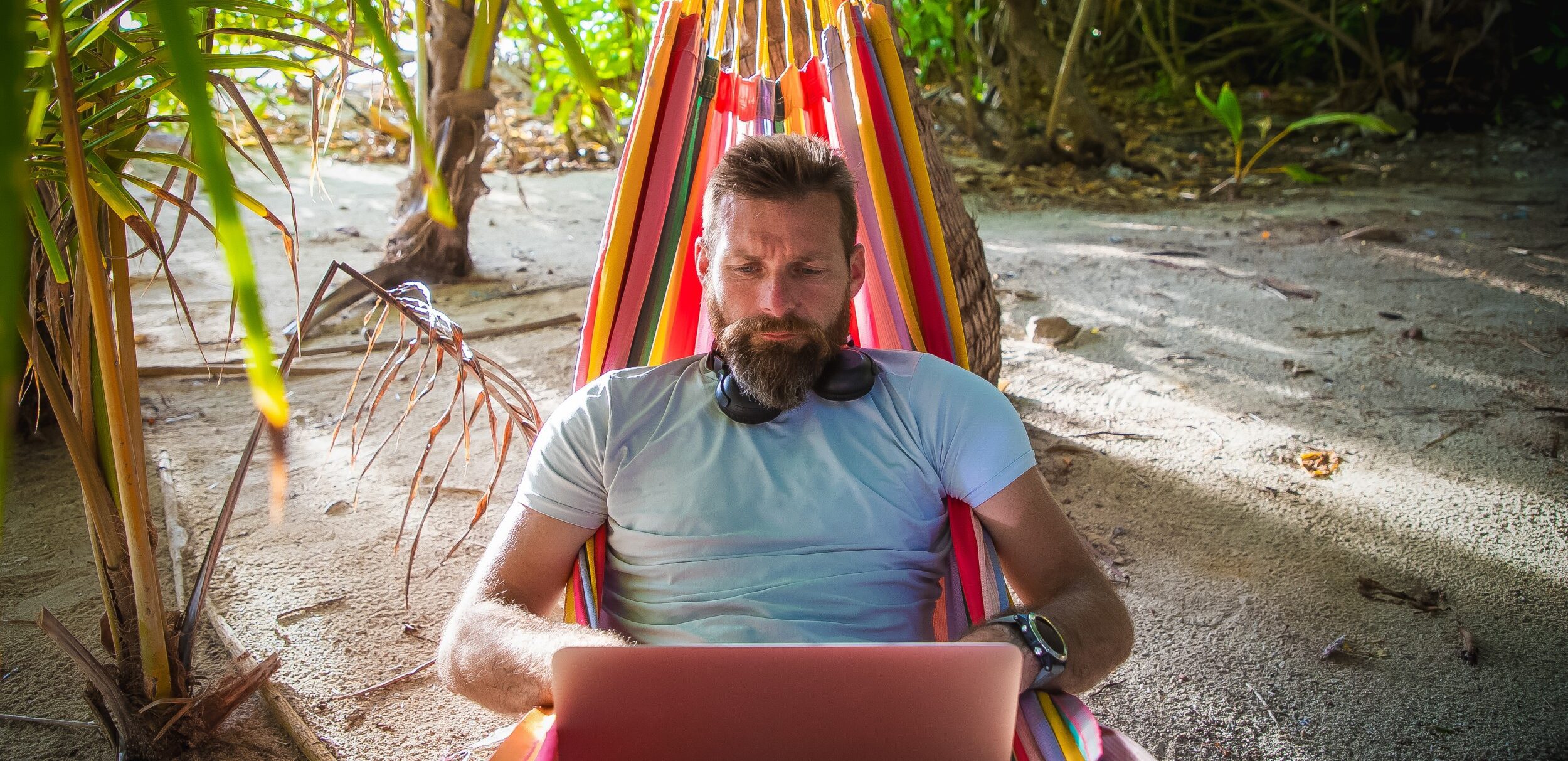
  • The Rise of the Digital Nomad 2025: Best Destinations and Remote Work Visas

    The Rise of the Digital Nomad 2025: Best Destinations and Remote Work Visas

    The rise is there – whoever says remote work is vanishing isn’t aware of the real stories out there. If you’re chasing top-tier digital nomad jobs, now is your moment!

    Remote workers are choosing to work from anywhere because the companies they work with also support it. The momentum behind this shift is massive. As part of the wave of evolving digital work trends, location-independent careers are becoming mainstream rather than fringe. Businesses want reliable, smart, and accountable resources. Similarly, individuals working remotely seek remote-friendly, open-minded, and supportive companies to work in.

    A Tidal Shift in Remote Careers

    Although it seems 2025 has seen a drop in remote work opportunities, it really isn’t. New data reveals otherwise: globally, an estimated 40 million people were living as digital nomads by 2025. In the U.S., the number of people identifying as digital nomads reached about 18.1 million by 2024. Numbers don’t lie, so!

    What does this mean for you? It means that digital nomad jobs are no longer novelty side-gigs. They’re serious career paths – but only for those who are willing to take on the responsibility. Being a digital nomad means you’d have to self-manage everything, update your teams, clients, and projects with self-accountability. And so, with willingness, companies are shifting roles, compensation, and culture in response.

    This shift ties directly into the broader remote work revolution. As more people prove value outside of offices, the idea that you must be in one place is fading. Instead, you now face the option to design your life and career around freedom.

    Why “Work From Anywhere” Is No Longer a Fantasy?

    One major driver of this trend is institutional change. Meaning more than 40 jurisdictions now offer remote-worker or digital nomad visas. These programs allow you to live in a foreign country while working for a company elsewhere (but you would need skills, experience, and relevant prerequisites to secure the visa). For example, on 21st November 2025, Slovenia launched its first digital nomad visa, open to non-EU workers staying up to one year. Btw, alongside other requirements, to be eligible, you must either be employed by a company outside Slovenia or provide services to international clients. This means that the possibility of working from anywhere truly exists for more people than ever before.

    These visa programs reflect how digital work trends are now global policy issues. Governments know that mobile talent brings foreign income, entrepreneurship, and growth. Nomads are becoming a viable economic asset, not just wanderers. 

    Top Destinations for Digital Nomads in 2025

    If you’re ready to chase freedom, location matters. Some destinations are clearly ahead with digital nomad visas and opportunities. The United Arab Emirates (UAE) climbed to 2nd place in the 2025 VisaGuide Digital Nomad Visa Index, behind Spain. In Dubai and Abu Dhabi, you’ll find ultra-fast internet, five-star amenities and visa policies aimed at remote professionals.

    After Bali, Indonesia, another hotspot is Thailand. According to a recent index of remote-worker-friendly cities, Bangkok topped the list thanks to low cost of living and high internet speed. Meanwhile, Portugal, Mexico and Slovenia are strong contenders thanks to affordable living, good infrastructure and now formal remote work programmes. 

    Still, destination choice isn’t only about lifestyle. It’s also about how well your digital nomad jobs match your travel and visa goals. Cost, timezone compatibility, co-working access and local support matter deeply.

    Visa Basics and What You Need to Know

    Before packing up your bag, you’ll want to understand how visas and compliance influence your lifestyle. Many remote work visas require proof of employment with a non-local employer, minimum income thresholds and health insurance. For example, Portugal’s remote-worker visa lets many nationalities stay for up to a year and apply for renewal.

    Your job must qualify you to legitimately hold a remote role, ideally one of the formal digital nomad jobs indicated above. Your work must not compete with local jobs in the host country. Also, tax and compliance issues may differ depending on the location and your employer’s policy.

    Many entrants fail not because they don’t want to move, but because they underestimate the paperwork, income requirements or tax obligations. A recent survey shows that application approval rates hover around 50%-60% for many programs.

    How to Land and Excel at Digital Nomad Jobs

    If you’ve read this far, you’re probably thinking about how to make it real. First step is to short-list and target remote-friendly careers. Software development, digital marketing, UX/UI design and product management rank high among nomad priorities. When you apply, don’t just mention “remote.” 

    The second step is to align your lifestyle and location. If you plan to work from anywhere, choose a job that truly supports mobility. Some companies still restrict location or penalise for time-zone misalignment. Ask about location flexibility during interviews. 

    The third step is to recognise you’re part of a bigger shift. Many leaders still re-examine where and how work gets done. A 2025 study found many firms reverting to stricter location policies despite earlier remote-work momentum. That means you’ll win with clarity, not assumptions. Define your terms before you move!

    Key Insights from 2025’s Digital Nomad Landscape

    A few takeaways stand out. Nomadism is no longer fringe. The combination of high-mobility roles, supporting infrastructure and visa regimes makes this a viable career trajectory. Unlike years past, many digital nomads are mid-career professionals earning six figures, not just freelancers. 

    However, the lifestyle demands discipline. Freedom comes with responsibility: connectivity, self-management, financial stability and resilience. The digital work trends are shifting from glamour to infrastructure. Support systems matter-stable internet, reliable backup, remote-work skills and compliance knowledge.

    Final Thoughts

    The world of digital nomad jobs is exciting and real. In 2025, the opportunity to work from anywhere is stronger than ever- but it requires strategy. Choose destinations that suit your lifestyle and income, prepare your career for mobility, and act with awareness of global changes. The digital work trends point toward mobility and remote presence.

    This is your chance to live expansively, design intentionally and work globally. The tools are available, the visas exist, and communities are growing. 

    The only question is: are you ready to pack up your routine and start writing your own location-independent chapter?

    Subscribe to What Works Next today and join a community dedicated to transforming the way we work. Working smarter starts here!